Choosing a reliable Silver Nitrate supplier requires more than comparing prices or browsing polished websites. Global buyers need verified quality, stable production, secure packaging, and responsive technical support. A dependable supplier should provide clear purity specifications, batch-level certificates of analysis, safety data sheets, and traceable documentation. These details matter when the material supports laboratory testing, photography, electronics, water treatment, or other lawful industrial applications.
This guide reviews ten established Silver Nitrate suppliers serving international customers. It considers product consistency, manufacturing experience, export capability, packaging options, and customer service. Supplier reputation also matters. Look for documented quality systems, transparent contact information, and practical answers from qualified staff. Small details can reveal a lot. For example, a well-prepared shipment should arrive with intact seals, readable labels, and moisture-resistant inner packaging.
No ranking is perfect. Buyer requirements differ by region, application, order size, and compliance standards. A research laboratory may need analytical-grade material in small amber bottles, while an industrial purchaser may require larger volumes and scheduled deliveries. Regulatory checks remain essential, especially because Silver Nitrate is a hazardous substance in many jurisdictions. Buyers should confirm import rules, storage requirements, transport restrictions, and local licensing obligations before placing an order. Some supplier information can change, so independent verification is wise. Use this comparison as a practical starting point, not a final decision. Reliability is earned through evidence.
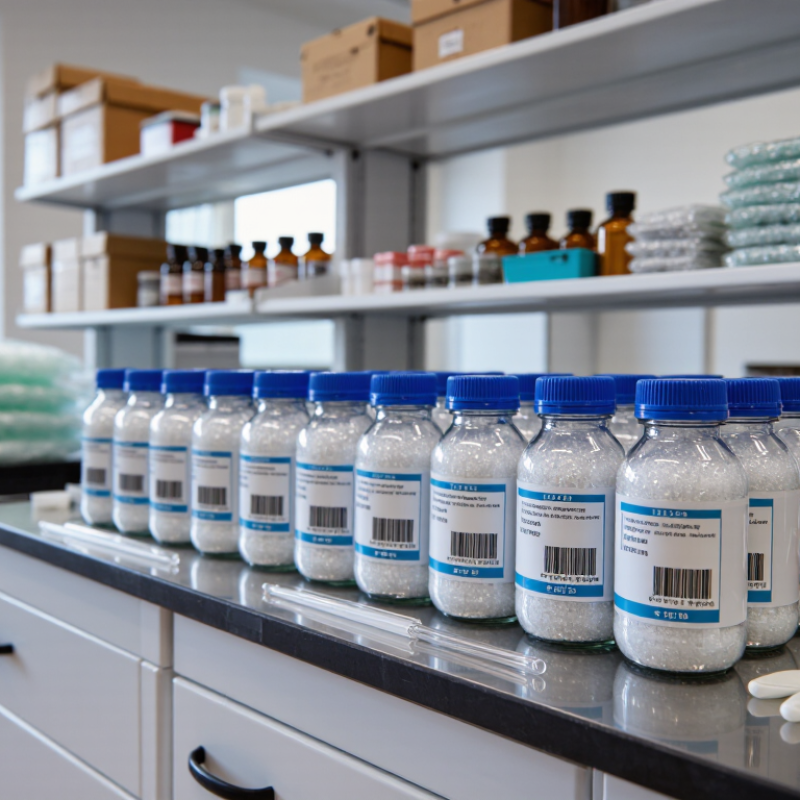
Silver nitrate is an inorganic compound with the formula AgNO3. It usually appears as clear, white, or slightly gray crystals. Light can darken it, so suppliers often use opaque containers. The material dissolves readily in water and forms silver ions in solution. These ions drive many of its practical applications.
Laboratories use silver nitrate as a reagent for testing halides, measuring chloride levels, and preparing other silver compounds. It also supports analytical chemistry and controlled surface treatments. In healthcare, qualified professionals may use carefully prepared formulations for limited cauterizing procedures. Medical use requires strict dosage control and professional oversight. It should not be treated as an ordinary household disinfectant. In photography, silver salts historically helped create light-sensitive images, although digital systems have reduced this demand.
Global buyers should check concentration, grade, packaging, batch records, and safety documentation before ordering. A reliable supplier should explain storage conditions and provide traceable quality data. Silver nitrate can stain skin and materials dark brown or black. It can also irritate the eyes and damage fabrics. Proper gloves, eye protection, ventilation, and controlled handling matter. A small labeling error can create a costly problem. I would also question unusually low prices, because purity and packaging quality may be compromised. Local transport rules, import requirements, and waste procedures need review before shipment.
Silver nitrate (AgNO₃) is an inorganic silver salt widely used in analytical chemistry, photography, medicine, electroplating, and silver mirror production.
Silver nitrate is a water-soluble, light-sensitive compound with the chemical formula AgNO₃. By mass, pure silver nitrate contains approximately 63.5% silver, 8.2% nitrogen, and 28.3% oxygen.
Its principal applications include qualitative testing for halide ions, preparation of photographic materials, production of conductive and reflective silver coatings, laboratory synthesis, and controlled medical cauterization. Because it is corrosive and photosensitive, it should be stored in tightly closed, light-resistant containers and handled with appropriate protective equipment.
How to Evaluate Silver Nitrate Suppliers Worldwide
Global buyers should assess silver nitrate suppliers beyond price. The Silver Institute’s World Silver Survey 2024 reported industrial silver demand of 654.4 million ounces in 2023. The USGS Mineral Commodity Summaries 2024 recorded global mine production near 25,000 metric tons. These figures show why supply continuity matters. Ask for recent certificates of analysis, batch numbers, assay results, and documented traceability. A polished website proves little.
Tips: Compare at least three quotations. Check purity, packaging, lead time, and minimum order quantity. Request an SDS and transport documentation before payment. Confirm whether the supplier performs independent testing. ISO 9001 certification can support process control, but it does not replace product verification. Inspect the certificate details carefully. Tiny discrepancies may signal weak quality systems.
Experienced procurement teams also review storage conditions and container integrity. Silver nitrate should arrive in sealed, light-protective packaging with clear hazard information. Evaluate how suppliers handle complaints, recalls, and damaged shipments. Ask for retention-sample policies and change-notification procedures. Regional warehouses may reduce delivery risk, but they can increase handling exposure. A low quote can still become expensive after retesting or customs delays. No checklist is perfect. Buyers should record supplier performance across several shipments, not just one successful order. Industry data offers useful context, yet practical evidence remains decisive.
| Rank | Supplier Profile | Typical Product Grade | Typical Purity Range | Quality & Documentation | Export & Logistics Capability | Typical MOQ | Indicative Lead Time | Best Fit | Evaluation Score |
|---|---|---|---|---|---|---|---|---|---|
| 1 | Established inorganic-chemical manufacturer serving multiple export markets | ACS / industrial | 99.5%–99.99% | Batch COA, SDS, lot traceability, audit support, analytical specification sheet | UN 1493 dangerous-goods shipping support; export packaging and documentation available | 25–100 kg | 2–6 weeks, subject to production schedule | Industrial processing and recurring international contracts | 9.5 |
| 2 | Pharmaceutical-grade specialty chemical producer | Pharmaceutical / compendial | Typically 99.8% or higher | Pharmacopoeial testing, validated methods, change-control process, detailed COA | Temperature-controlled service may be available; regulated-market documentation support | 1–25 kg | 3–8 weeks | Pharmaceutical, laboratory, and regulated applications | 9.4 |
| 3 | Laboratory reagent supplier with broad regional distribution | ACS / analytical reagent | 99.8%–99.99% | Lot-specific COA, SDS, purity assay, trace-metal information, small-pack labeling | Strong parcel export capability; dangerous-goods surcharges may apply | 100 g–5 kg | 3–15 business days from regional stock | Research laboratories, universities, and quality-control testing | 9.2 |
| 4 | Precious-metal and silver-compound specialist | High-purity / custom specification | 99.9%–99.99% | ICP or equivalent elemental analysis, impurity profile, certificate of origin, traceability | Experience with high-value cargo, secure transport, insurance, and customs documentation | 5–50 kg | 3–7 weeks | Electroplating, specialty synthesis, and high-purity applications | 9.1 |
| 5 | Regional chemical distributor with multi-country warehouse coverage | Technical / industrial | 99.0%–99.8% | Manufacturer COA, SDS, product specification, batch and shelf-life information | Shorter delivery from local stock; import permits and final-mile DG delivery support vary | 5–100 kg | 2–10 business days from stock; 4–8 weeks for replenishment | Buyers prioritizing availability and flexible order sizes | 8.9 |
| 6 | Contract chemical manufacturer offering made-to-specification batches | Custom industrial / research grade | 99.0%–99.99%, specification-dependent | Pre-shipment sample, agreed specification, batch record, change notification, technical support | Custom packaging and documentation; longer qualification and production cycles | 25–500 kg | 6–12 weeks after technical approval | OEM programs and buyers needing customized specifications | 8.8 |
| 7 | Online laboratory-chemical distributor with small-pack fulfillment | Reagent / laboratory grade | 99.5%–99.99% | Digital SDS and COA access, lot identification, online technical documentation | Fast order processing; international dangerous-goods delivery depends on destination | 25 g–2.5 kg | 5–20 business days | Small laboratories, pilot studies, and occasional purchases | 8.6 |
| 8 | Asia-based bulk chemical exporter with competitive production economics | Industrial / technical | 99.0%–99.8% | COA and SDS normally available; independent pre-shipment inspection recommended | Sea and air freight options; buyers should verify export classification, packaging, and insurance | 100–1,000 kg | 4–10 weeks including production and transit | Cost-sensitive bulk buyers with import experience | 8.4 |
| 9 | Local-market supplier focused on domestic industrial customers | Technical grade | 98.0%–99.5% | Basic COA and SDS; audit, validation, and trace-metal data may be limited | Domestic delivery usually stronger than cross-border export capability | 10–100 kg | 3–15 business days domestically | Regional buyers with straightforward, non-regulated requirements | 7.8 |
| 10 | Trading company aggregating supply from several qualified producers | Technical / laboratory grade | 99.0%–99.99%, source-dependent | COA and SDS should be checked against the actual manufacturing lot; supplier qualification is essential | Flexible sourcing and destination coverage; performance depends on logistics partners | 5–250 kg | 3–10 weeks | Buyers seeking sourcing flexibility and multiple quotation options | 7.6 |
Choosing among the 10 best silver nitrate suppliers requires more than comparing prices. The Silver Institute’s World Silver Survey 2024 reported industrial silver demand of about 654.4 million ounces in 2023. This demand supports applications in laboratories, electronics, medical materials, and chemical processing. Buyers should therefore examine assay levels, batch consistency, packaging quality, and production capacity before placing an order.
A reliable supplier should provide a current certificate of analysis, safety data sheet, and traceable lot number. The US Geological Survey reported global silver mine production near 26,000 metric tons in 2023. However, mined supply does not guarantee stable chemical availability. Ask about refined-source documentation, moisture-resistant containers, and shipment conditions. Confirm that labels and transport documents meet the destination country’s requirements. Small details matter.
In practical screening, request samples when possible, then compare purity, crystal appearance, dissolution behavior, and delivery accuracy. A professional supplier should answer technical questions without vague promises. Independent quality audits add confidence, especially for regulated laboratories and manufacturers. Price still matters, but an unusually low quotation deserves careful review. I would not treat a polished website as proof of reliability. Even experienced buyers can overlook lead-time risks, currency changes, or inconsistent packaging. A written specification protects both sides better than a friendly email.
Choosing among silver nitrate suppliers requires more than comparing the price per kilogram. Product quality should match the intended laboratory, industrial, or technical application. Check the stated purity, concentration, appearance, and impurity limits. A reliable supplier should provide a current certificate of analysis for each production lot. Review test methods, batch numbers, and traceability details carefully.
Packaging also matters. Silver nitrate is light-sensitive, so opaque, tightly sealed containers can help protect product stability. Ask about storage conditions, shelf life, and transport controls. Certifications deserve practical review. ISO 9001 may indicate structured quality management, while GMP or other regional requirements may matter for specific applications. Confirm that documentation is valid for your destination country. Do not rely on logos alone.
Tips: Request a small sample before placing a large order. Compare total landed cost, including freight, duties, insurance, packaging, and testing. Check minimum order quantities and realistic lead times. Ask whether replacement procedures cover damaged or inconsistent shipments. A cheap quotation can hide weak documentation or expensive delays. I have learned that consistency is often worth more than a dramatic discount. Still, supplier claims need independent checking. One overlooked detail, such as unclear impurity limits, can complicate downstream testing. Use written specifications, retain approval records, and compare at least three complete offers.
Choosing among the 10 best silver nitrate suppliers requires more than comparing prices. Silver Institute’s World Silver Survey 2024 reported record industrial silver demand in 2023. This signals continued pressure on supply consistency. Ask each supplier for a recent certificate of analysis, batch number, purity level, and manufacturing date. The CAS number should be 7761-88-8. Product specifications must match your laboratory or production process.
International orders need stronger verification.
Request the safety data sheet before payment. Check packaging details, export documents, insurance, and delivery terms. Silver nitrate is commonly treated as an oxidizing hazardous material during transport. The carrier should confirm the applicable classification and packaging instructions. USGS Mineral Commodity Summaries 2024 estimated global silver mine production at about 26,000 metric tons in 2023. However, mine output does not guarantee reliable chemical availability. Refining capacity, customs delays, and local inventory can still affect delivery. I would not trust unusually low quotations without checking the documents.
Tips:
Compare at least three written quotations. Confirm whether the price includes testing, export handling, freight, and insurance. Verify the supplier’s business registration and quality system through independent records. Contact a reference customer, if possible. Keep every specification in the purchase contract. Small omissions become expensive later. One practical weakness remains: supplier websites often look professional, but their batch-level evidence may be limited. That deserves scrutiny.
Review purity, concentration, impurity limits, packaging, lead time, and minimum order quantity. Ask for recent certificates of analysis and batch numbers. A polished website proves little.
Request a current certificate for each production lot. Check assay results, test methods, traceability details, and retention samples. Independent testing remains useful.
Silver nitrate is light-sensitive and needs tightly sealed, light-protective containers. Inspect container integrity when shipments arrive. Look for clear hazard information and readable labels.
Quality-management certification may indicate controlled processes. However, certification does not replace product verification. Confirm validity in the destination country, rather than trusting logos alone.
Compare at least three complete quotations. Include freight, duties, insurance, packaging, testing, and possible customs delays. The cheapest quote may become expensive later.
Request the certificate of analysis, safety data sheet, and transport documents. Confirm batch identification and documented traceability. Missing paperwork is a warning sign.
Ask about storage conditions, shelf life, warehouse handling, and realistic lead times. Regional warehouses may shorten delivery. They can also increase handling exposure.
Inspect seals, labels, containers, and product documents immediately. Record supplier performance across several shipments. One successful order is not enough.
This guide offers a practical overview of Silver Nitrate, including its key properties and common lawful uses in laboratories, photography, manufacturing, water treatment, and other professional fields. It explains how global buyers can identify reliable suppliers by reviewing product specifications, purity levels, production capacity, packaging standards, customer support, and international shipping experience. The article also presents ten supplier categories and selection criteria without promoting any specific brand, helping readers compare options objectively.
Buyers will learn how to evaluate pricing, batch consistency, certificates of analysis, quality-management systems, safety data sheets, and relevant export documentation. Before placing an international order, they should confirm local import requirements, transportation restrictions, storage conditions, minimum order quantities, lead times, payment terms, and after-sales service. By following a structured purchasing process and choosing suppliers that demonstrate transparent documentation and responsible compliance practices, organizations can reduce risks and secure Silver Nitrate that meets their technical, safety, and regulatory requirements.
