
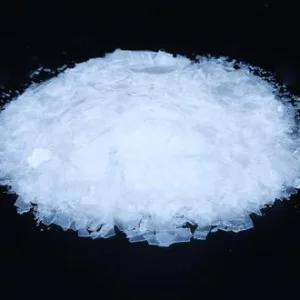
Industrial Monomer
Viscosity Control
China Polyethylene Glycol Factories, Quotes
China Polyethylene Glycol Factories, Quotes


Standardized high-yield monomers, curing promoters, and inorganic salts tested strictly according to international COA & SDS guidelines.
China Polyethylene Glycol Factories, Quotes
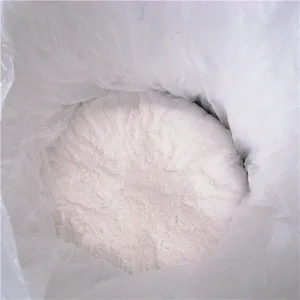
China Tricalcium Phosphate Pricelist, Quotes

China Specialty polyether - medium molecular weight PET polyether Supplier, Suppliers

Wholesale Pure nitrogen,High pure nitrogen,Ultra-pure nitrogen (N2) Supplier, Factories

Wholesale Argon gas for electronic industry (Ar) Manufacturers, Suppliers
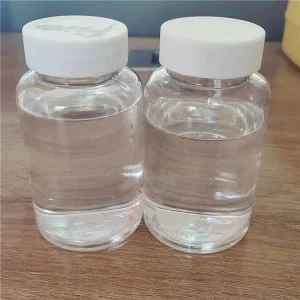
China Epoxy Modified Liquid Rubber - Epoxidized Polybutadiene (EPB) Manufacturer, Factories

Wholesale High purity xenon & Ultra-pure xenon (Xe: 5N, 5.5N, 6N) Supplier, Suppliers

China Barium Acetate Supplier, Factories
Since 2008, Yanxatech System Industries Limited (YANXA) has engineered reliable material synthesis, moving downstream from fundamental mineral and hydrocarbon refinement into bespoke chemical additives, functional curing auxiliaries, and reactive liquid polymers.
Modern additive formulations demand uncompromising particle geometry and reactive surface area. In processing solid-state chemistry like Tricalcium Phosphate (TCP) and Paraformaldehyde 96%, microscopic control over prill size and friability directly governs dissolution rates in downstream resin condensation.
Liquid rubbers (such as HTBN, EPB, and MLPB) serve as critical flexibilizers and impact modifiers within brittle structural epoxy networks. By synthesizing explicit hydroxyl, epoxy, and carboxyl termination, our facilities deliver targeted phase separation during cure cycles, elevating fracture toughness by up to 300%.
Trace moisture levels in hexamine, polyethylene glycol, or organometallic salts can initiate untimely ester hydrolysis or catalytic deactivation. YANXA enforces strict desiccated packaging protocols under dry nitrogen blanketing to preserve active assay values across multi-month maritime transit.
Tier-1 chemical formulators, compounders, and advanced materials engineering corporations navigate distinct bottlenecks when sourcing chemical additives internationally. Our integrated supply chain addresses these granular requirements.
Procurement teams demand paraformaldehyde 96% and hexamethylenetetramine (Hexamine) featuring uncompromised crystallinity, low ash, and tight free formaldehyde limits to stabilize exothermic reaction profiles in friction materials, wood binders, and foundries.
Demands center on functionalized liquid butadiene rubbers (HTBN, EPB), energetic nitrates, and gas-atomized Al-Mg spherical alloy powders. Complete traceability, lot retention, and rigorous adherence to mil-spec chemical purity parameters are baseline requisites.
Precision etch chemistries depend on consistent cylinders of Carbon Tetrafluoride (CF4) and Sulfur Hexafluoride (SF6) alongside rare inert gases (Ne, Kr, Xe) purified up to 6N grade, eliminating parts-per-billion metallic and hydrocarbon impurities.
Sourcing of super-fine Tricalcium Phosphate (TCP) requires verifiable food-grade (FCC) or pharmaceutical-grade compliance (USP/EP). Buyers require heavy metal thresholds below 1 ppm, low bulk density variance, and microbiological safety validations.
Beyond standalone chemical supply, YANXA functions as an agile contract synthesis and formula optimization partner, mitigating production risks through proactive technical architecture.
Epoxy matrices often suffer from brittleness. We provide tailored prepolymer solutions using Epoxidized Polybutadiene (EPB) and Hydroxyl Terminated Butadiene-Acrylonitrile (HTBN) that seamlessly homogenize without reducing glass transition temperature (Tg).
Transitioning manufacturing plants from diluted formalin solutions (37-40%) to solid, high-concentration Paraformaldehyde Powder (96%) slashes transatlantic shipping volume, minimizes wastewater treating burdens, and doubles autoclave reactor throughput.
High-purity nitrates (Basic Cupric Nitrate, Barium Acetate, and specialty salts) are synthesized with tightly constrained counter-ion contamination, empowering manufacturers to achieve stoichiometric stability in custom chemical catalysts and specialized batteries.
Exporting regulated chemical additives requires thorough regulatory mastery. YANXA operates under accredited ISO 9001 quality systems, strictly observing hazardous chemical export conventions.
Every industrial shipment is accompanied by lot-traceable documentation including 16-section GHS-compliant Safety Data Sheets (SDS), Technical Data Sheets (TDS), Certificate of Origin (CO), and formal Batch Certificates of Analysis (COA) specifying tested assays vs limit thresholds.
Transporting energetic nitrates, reactive powders, and pressurized gases demands strict international compliance. We utilize certified UN packaging (drums, ISO tanks, steel gas cylinders), ensuring IMDG (Ocean) and ICAO/IATA (Air) compliant labeling, classification, and secure customs transit clearance.
Our regulatory affairs department actively assists buyers navigating EU REACH, UK REACH, US TSCA, and Asia-Pacific chemical inventory registrations, coordinating third-party verifications with internationally accredited test labs such as SGS and Pony Testing.
Our ongoing research pipeline prioritizes low-VOC synthesis, closed-loop solvent recovery, and functional macromolecular modifiers that address strict environmental directives without sacrificing physical performance.
Transitioning to high-efficiency catalytic synthesis of paraformaldehyde prills, yielding minimal residual methanol content and significantly reducing curing emissions in composite manufacture.
Developing bio-derived terminal groups for liquid nitrile rubbers (L-XNBR and HTBN), improving polar adhesion with sustainable composite natural fibers and recycled resins.
Advancing cryogenic fractional distillation and membrane filtration for noble gases (Kr, Xe, Ne) and etching gases (CF4, SF6) targeting 6N5 and 7N benchmarks for next-node microelectronics.
Gas-atomized metal alloys engineered with controlled porosity, optimized for direct laser deposition additive manufacturing and high-activity pyrotechnic propellant rates.
Critical technical parameters, handling considerations, and procurement processes addressed directly by our chemical engineering department.
Paraformaldehyde is a polymerized solid form of formaldehyde offering an assay typically ≥96%. When substituted for 37% formalin in urea, phenol, or melamine resin synthesis, it dramatically reduces water volume injected into the reactor autoclave. This leads to shorter cook times, lower steam energy consumption, up to 2.5x batch throughput gains, and less hazardous aqueous waste condensation.
During thermal cure, functionalized liquid polybutadiene and nitrile polymers precipitate as discrete microscopic elastomer domains (0.1 to 5 μm) inside the hard epoxy matrix. These rubbery inclusions initiate localized shear yielding and promote plastic void growth, efficiently blunting crack propagation tips and substantially improving peel and fracture toughness without forfeiting lap shear strength.
We verify every production lot against FCC (Food Chemicals Codex) and E341 criteria. Testing protocols include assay measurement (≥34.0% to 40.0% Ca content), heavy metals limit screening via ICP-MS (Pb ≤ 1 mg/kg, As ≤ 1 mg/kg, Cd ≤ 1 mg/kg), loss on ignition (LOI ≤ 8.0%), and automated dry-jet laser diffraction particle size distribution (PSD) analysis.
All materials are evaluated against the UN Model Regulations for the Transport of Dangerous Goods. Class 4.3 (water-reactive flammable solids), Class 5.1 (oxidizers), and Class 2.2 (compressed gases) ship in UN-approved steel drums or tested pressure vessels accompanied by full DGD paperwork, certified flashpoint/reactivity manifests, and complete IMDG stowage clearances.
Yes. Utilizing vacuum inert gas atomization (VIGA), we customize Al-Mg, Zn-Al, and tailored metallic alloys to tight stoichiometry (e.g., 50:50, 60:40) with dedicated particle screening ranges such as 15-53 μm, 45-105 μm, or sub-325 mesh based upon downstream laser additive, thermal spray, or pyrotechnic combustion speed criteria.
Standard, non-hazardous industrial evaluation samples (250g to 1kg) typically dispatch within 48 to 72 hours alongside our signed batch COA. Dangerous goods samples (such as specialized nitrates or pressurized gases) require localized courier DG processing, normally shipping in 7 to 10 working days dependent on destination import permits.
Specialized elastomers, rare high-purity noble gases, catalysts, and molecular modifiers for performance compounding and industrial manufacturing.

Wholesale Liquid Rubber-Hydroxyl Terminated butyronitrile Rubber (HTBN) Supplier, Factories

Wholesale Basic Cupric Nitrate Manufacturers, Supplier
China Tricalcium Phosphate Pricelist, Quotes

Wholesale Liquid Rubber - Maleic Anhydride Grafted Polybutadiene (MLPB) Manufacturers, Pricelist
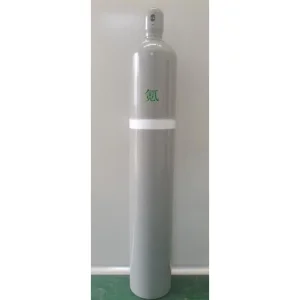
China High-purity krypton & Ultrapure krypton (Kr: 5N, 5.5N, 6N) Manufacturer, Manufacturers
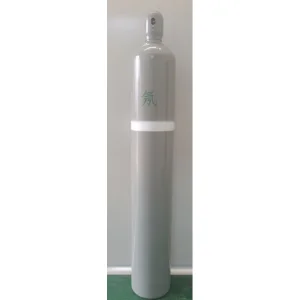
China Pure neon & High purity neon (Ne: 5N, 5.5N, 6N) Supplier, Suppliers

China Liquid Rubber-Random Carboxy Nitrile Butadiene Rubber (L-XNBR) Supplier, Quotes

China Specialty Polyether-Low Molecular Weight PET Polyether Factory, Factories