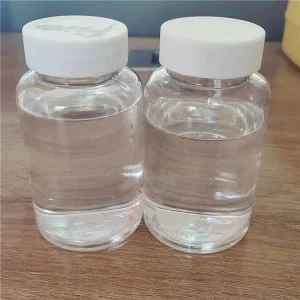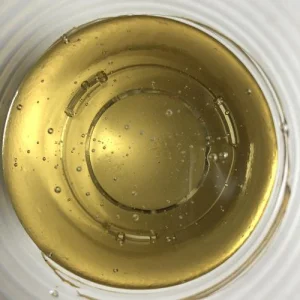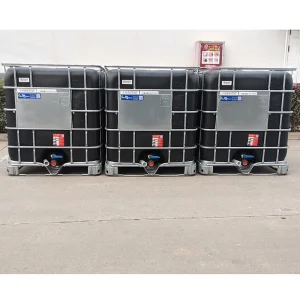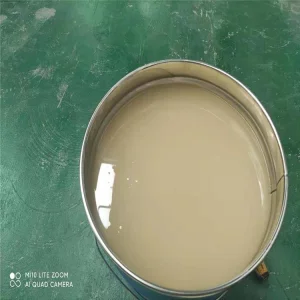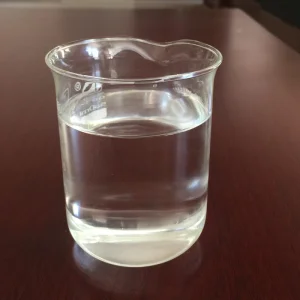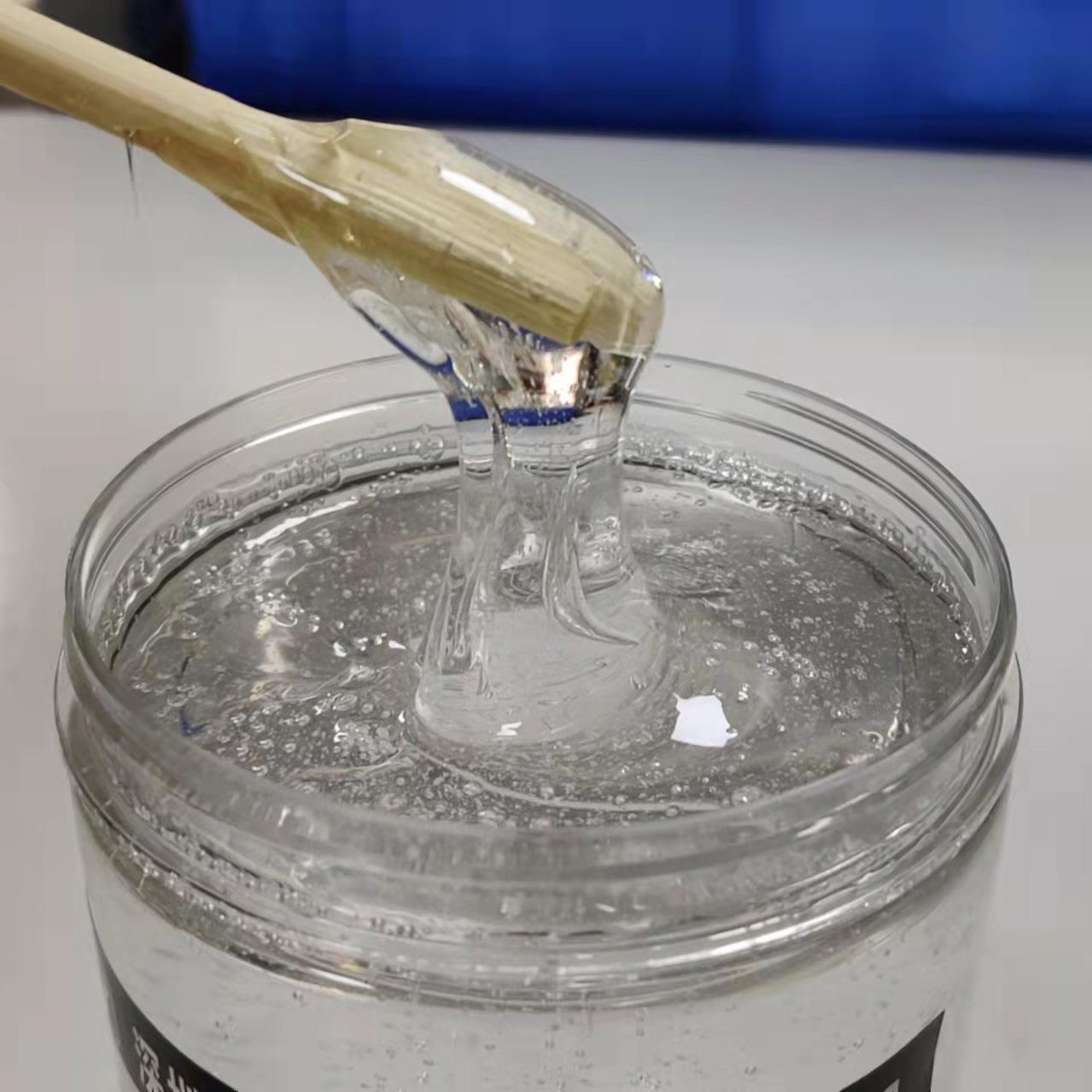
L-XNBR is a liquid rubber product containing nitrile and carboxyl groups in the main chain. The nitrile group can provide good solvent, heat, abrasion and adhesive properties, while the carboxyl group can react with epoxy and amino groups for curing.
It can be used as a toughening modifier for epoxy and phenolic resins as well as a softening agent for rubber plasticizing, and is used in the fields of printing rollers, seals, coatings and adhesives.
| Product Grade | Combined with Acrylonitrile (%) | Ash (%) | Volatile Matter (%) | Viscosity (40°C, Pa·s) | Carboxylic Acid Content (mmol/g) |
|---|---|---|---|---|---|
| L-XNBR-Ⅰ type | 20-25 | ≤ 1 | ≤ 1 | ≤ 100 | 0.30-1.20 |
| L-XNBR-II type | 30-35 | ≤ 1 | ≤ 1 | ≤ 150 | 0.30-1.20 |
L-XNBR contains both nitrile and carboxyl groups along its polymer backbone. The nitrile group imparts oil and solvent resistance, thermal stability, abrasion resistance, and adhesion, while the carboxyl group participates in curing reactions with epoxy and amino groups.
The main difference lies in the acrylonitrile content and viscosity. L-XNBR-Ⅰ has an acrylonitrile content of 20-25% and viscosity ≤ 100 Pa·s, whereas L-XNBR-II offers higher acrylonitrile content (30-35%) and viscosity (≤ 150 Pa·s).
It is widely applied in industries requiring high-performance elastomers and adhesives, specifically in the production of printing rollers, mechanical seals, protective coatings, and structural adhesives.
It acts as a toughening modifier. By reacting with the curing agents or resins, it reduces the brittleness of epoxy and phenolic matrices while improving impact resistance and peel strength.
Yes, it serves effectively as a reactive softening agent during rubber plasticizing, aiding compounding while contributing to the final cross-linked network.