Wholesale Liquid rubber-hydroxyl terminated butadiene-styrene random copolymer (HTBS) Factories, Quotes
HTBS is a liquid copolymer of butadiene and styrene with hydroxyl functional group at the end of the molecular chain, it has excellent heat resistance, abrasion resistance, aging resistance, good processing performance, low heat generation and good low temperature flexibility.
HTBS is a liquid copolymer of butadiene and styrene with a hydroxyl functional group located at the end of the molecular chain. Engineered for high performance, it delivers excellent heat resistance, abrasion resistance, and aging stability, alongside superior processing capabilities, minimal heat build-up, and outstanding low-temperature flexibility.
Core Characteristics
High abrasion resistance, excellent heat stability, and aging resistance.
Dynamic Properties
Low heat generation with superior flexibility across cold temperature ranges.
Versatile Application
Blends with natural/synthetic rubber or works independently in PU systems.
It can be utilized either in conjunction with natural rubber and synthetic rubber or applied alone for casting polyurethane tires, potting adhesives, industrial bonding solutions, and coatings. When formulated into tire tread rubber, HTBS significantly improves traction performance and abrasion resistance.
Technical Specifications
Product No.
HTBS2000
HTBS3000
HTBS4000
Number average molecular weight
1800 - 2200
2700 - 3300
3600 - 4400
Hydroxyl value (mmol/g)
0.8 - 1.2
0.6 - 0.8
0.45 - 0.55
Styrene content (wt. %)
15 - 25
15 - 25
15 - 25
Viscosity (25℃, Pa·s)
≤ 12
≤ 20
≤ 80
Volatile matter (%)
≤ 0.50
Appearance
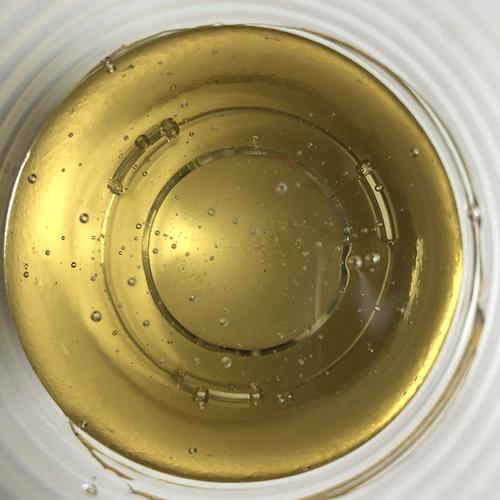
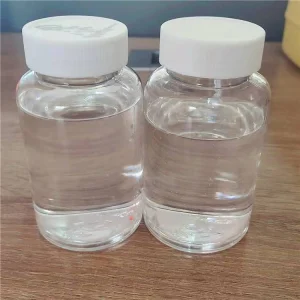
Light yellow transparent thick liquid
Frequently Asked Questions
What is HTBS?
HTBS is a hydroxyl-terminated liquid copolymer of butadiene and styrene, featuring active functional hydroxyl groups positioned at the end of its molecular chain.
What are the primary performance advantages of HTBS?
HTBS features high resistance to heat, abrasion, and aging, paired with low heat build-up during dynamic strain and reliable flexibility at low temperatures.
Can HTBS be co-cured with other rubbers?
Yes, HTBS is fully compatible with both natural rubber and synthetic rubber compounds, and it can also be used individually in specialized polyurethane systems.
What benefits does HTBS offer in tire tread compounds?
When incorporated into tread formulations, it substantially enhances wet/dry traction and wear resistance while contributing to lower internal heat generation.
How do HTBS2000, HTBS3000, and HTBS4000 differ?
The grades vary primarily by molecular weight (ranging from 1800 to 4400), hydroxyl value (0.45 to 1.2 mmol/g), and viscosity (≤12 to ≤80 Pa·s at 25°C), allowing formulation flexibility depending on processing requirements.
What typical non-tire applications utilize HTBS?
Beyond tire applications, it is widely utilized for casting solid polyurethane industrial tires, electrical potting adhesives, and high-strength industrial adhesives.