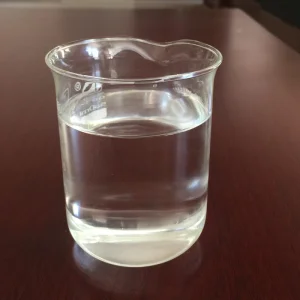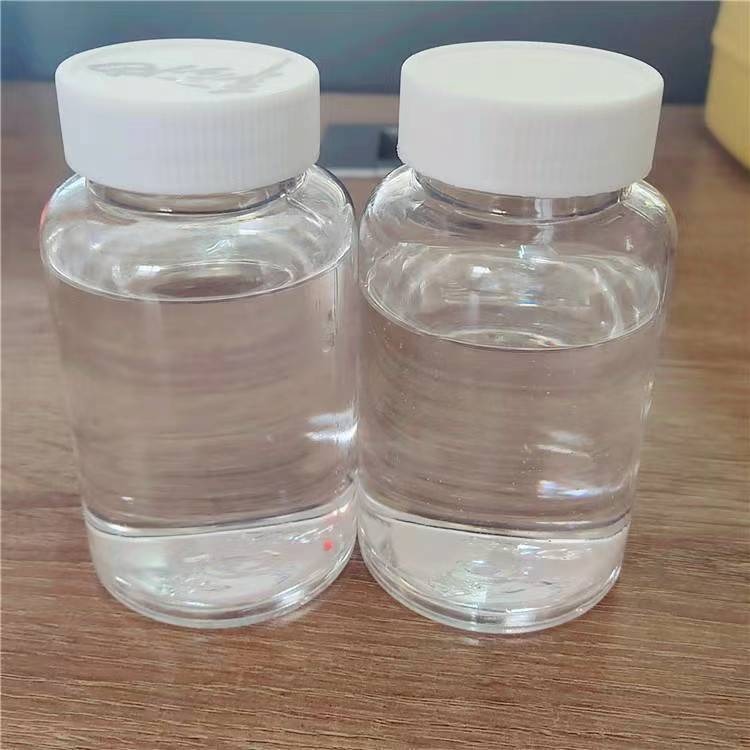
EPB is the introduction of epoxy groups on the molecular chain of HTPB, featuring oil resistance, aging resistance, good transparency, and good low-temperature performance. The hydroxyl group at the end of the molecular chain and the epoxy group within the molecular chain serve as reactive groups, allowing it to be cured with a variety of isocyanates and epoxy curing agents.
The cured polymer exhibits outstanding physical and chemical properties, excellent adhesive strength to metal, glass, and other non-metallic materials, good dielectric properties, low shrinkage, high hardness, and stability against alkali and most volume variations. It substantially enhances the mechanical properties, adhesive strength, and heat resistance of polyurethane materials.
Integrated polar groups effectively improve the adhesive properties of the finished compound with both metallic and non-metallic substrate interfaces, providing superior long-term bonding reliability.
| Item | Type L | Type M | Type H |
|---|---|---|---|
| Molecular weight | 2000 - 4000 | ||
| Epoxy value, mmol/g | 0.5 - 1.5 | 2.0 - 4.0 | 4.5 - 5.5 |
| Viscosity (40℃), Pa.s | ≤ 5.0 | ≤ 20 | ≤ 50 |
| Water mass fraction, % | < 0.05 | ||
EPB is produced by introducing epoxy groups onto the molecular chain of HTPB (Hydroxyl-Terminated Polybutadiene). It combines the properties of oil resistance, aging resistance, transparency, and low-temperature durability.
Due to the reactive hydroxyl groups at the terminal ends and the internal epoxy groups along the chain, EPB can be cured with a wide range of isocyanates and epoxy curing agents.
Cured EPB delivers excellent adhesive strength to metals, glass, and non-metallic substrates, low shrinkage, high hardness, exceptional dielectric properties, alkali resistance, and improved heat resistance.
EPB is widely applied in high-performance adhesives, sealants, protective coatings, epoxy resin toughening agents, and polyurethane elastomers.
The primary differences lie in the epoxy value and viscosity at 40℃: Type L has an epoxy value of 0.5-1.5 mmol/g (viscosity ≤ 5.0 Pa.s), Type M is 2.0-4.0 mmol/g (viscosity ≤ 20 Pa.s), and Type H is 4.5-5.5 mmol/g (viscosity ≤ 50 Pa.s).
All grades (Type L, M, and H) maintain a uniform molecular weight range of 2000-4000 and a strictly controlled low water mass fraction of less than 0.05%.