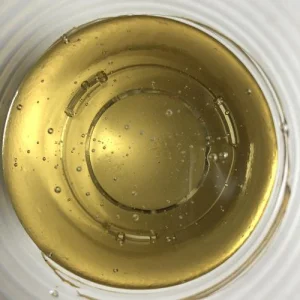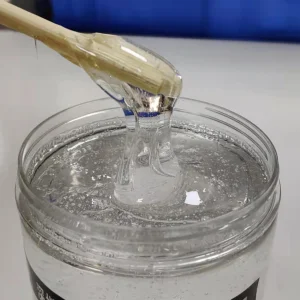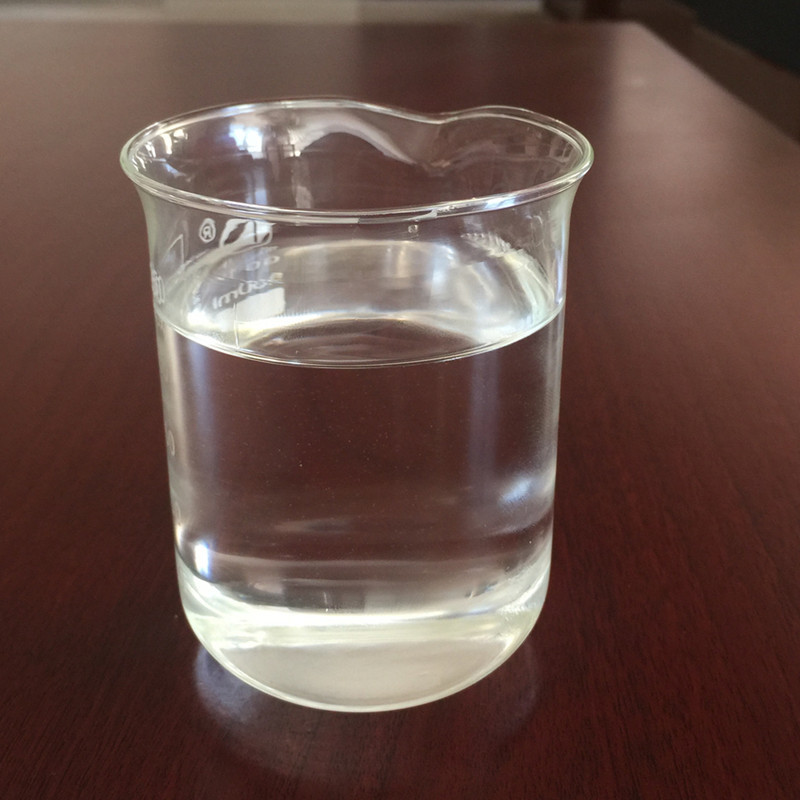
HTBN is a liquid nitrile rubber with hydroxyl functional groups at both ends of the molecular chain. It retains identical physical and chemical properties to nitrile rubber and can be cured effectively using an isocyanate curing agent, offering superior reactivity and stable processing performance.
It has good oil resistance, heat resistance, abrasion resistance and strong adhesion. Mainly used in adhesives, coatings, resin toughening agent, can enhance the toughness, adhesion and durability of composite materials, oil and heat resistance.
Excellent resistance to oil, excessive heat, and continuous surface abrasion.
Forms robust bonding profiles in adhesive, coating, and binder formulations.
Enhances fracture toughness, impact endurance, and structural durability.
| Item | HTBN-I | HTBN-II |
|---|---|---|
| Molecular mass | 2000-3000 | 2000-3000 |
| Hydroxyl value, mmol/g | 0.8-1.2 | 0.8-1.2 |
| Acrylonitrile content | 10-18 | 20-28 |
| Viscosity (40℃), Pa-s | ≤ 100 | ≤ 300 |
| Water mass fraction, % | < 0.05 | < 0.05 |
HTBN is a liquid nitrile rubber terminating with hydroxyl groups on both ends of the molecular chain. It shares the chemical and physical resistance attributes of standard nitrile rubber while delivering low viscosity for high processing adaptability.
Due to the reactive hydroxyl functional groups present at the polymer terminal ends, HTBN cures cleanly and efficiently with isocyanate-based curing agents.
The primary distinctions lie in the acrylonitrile content and viscosity. HTBN-I has an acrylonitrile content of 10–18 and a viscosity ≤ 100 Pa·s (40℃), whereas HTBN-II contains 20–28 acrylonitrile with a viscosity ≤ 300 Pa·s (40℃).
HTBN is extensively applied as a toughening and modifying agent in high-performance adhesives, protective coatings, and resin matrices to improve overall mechanical resilience and bonding capability.
When blended into composite formulations, HTBN substantially enhances toughness, peel strength, heat endurance, oil resistance, and long-term durability under stress.
Both standard grades feature a molecular mass ranging between 2000 and 3000, with a strictly controlled moisture level having a water mass fraction of less than 0.05%.