Liquid Styrene Butadiene Rubber (LSBR) is a low molecular weight copolymer of butadiene and styrene with a molecular weight of 2000-10000. It exhibits excellent electrical insulation and outstanding physical properties, making it widely applied across circuit boards, adhesives, and sealing materials.
Offers excellent electrical insulation and physical performance for critical electronic components.
Compared to liquid polybutadiene (LPB), LSBR delivers a higher glass transition temperature and superior heat resistance.
In copper-clad laminate processing, replacing LPB with LSBR optimizes glue flow and processing reliability.
| Product Grade | LSBR-1 | LSBR-2 | LSBR-3 | LSBR-4 |
|---|---|---|---|---|
| Number average molecular weight | 3000 | 3000 | 5000 | 5000 |
| Styrene content (mol %) | 8-12 | 15-20 | 8-12 | 15-20 |
| Vinyl content (wt. %) | 80-90 | 80-90 | 80-90 | 80-90 |
| Viscosity (45°C, Pa-s) | < 60 | < 300 | < 150 | < 500 |
| Volatile matter (%) | ≤ 2 | |||
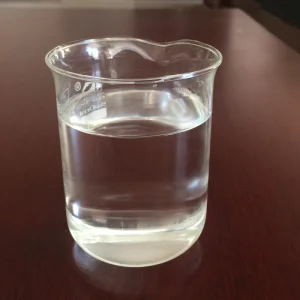
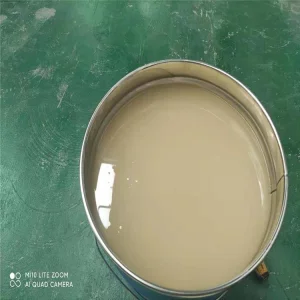
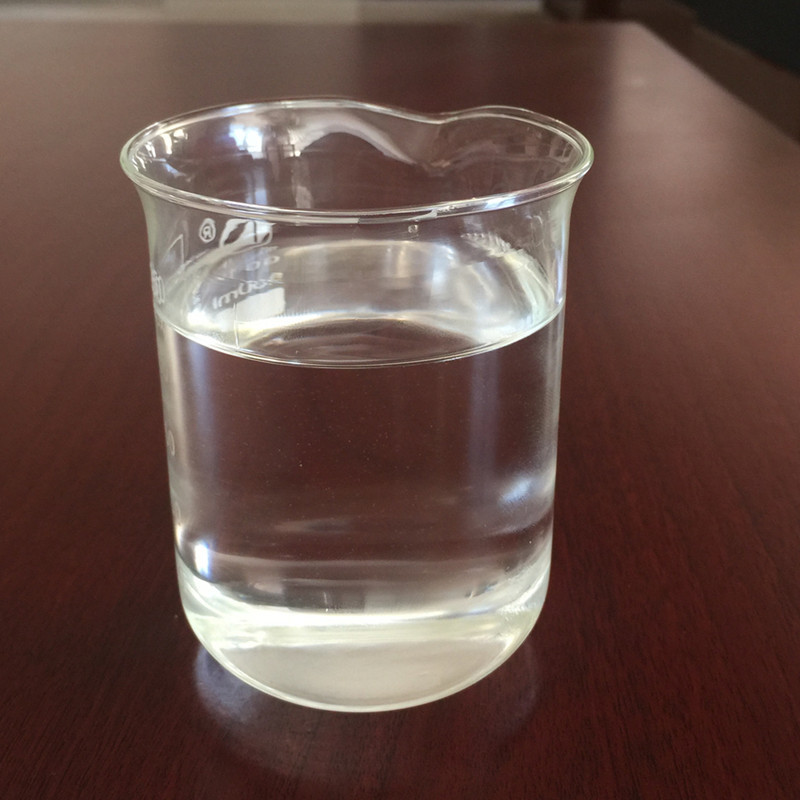
| Appearance | Light-colored viscous liquid | |||
LSBR is a low molecular weight copolymer of butadiene and styrene, with molecular weights ranging from 2000 to 10000, known for its balanced physical properties and high insulation.
Due to its electrical insulation, heat endurance, and mechanical stability, it is predominantly utilized in copper-clad laminates, printed circuit boards (PCBs), industrial adhesives, and sealing materials.
Compared with LPB, LSBR exhibits a higher glass transition temperature (Tg), enhanced wear resistance, and improved thermal stability.
Replacing LPB with LSBR improves resin and glue fluidity during lamination, facilitating smoother fabrication and enhanced bonding performance.
Standard product grades include LSBR-1, LSBR-2, LSBR-3, and LSBR-4, which differ primarily in molecular weight (3000 to 5000), styrene content (8-12 mol % or 15-20 mol %), and viscosity profiles.
LSBR presents as a light-colored viscous liquid with tightly regulated volatile matter content of ≤ 2% across all available grades.