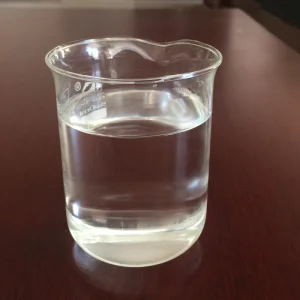
It is liquid at room temperature, which is convenient to use and process. Glass transition temperature of -80 ℃, with excellent low-temperature performance, the mechanical properties of its elastomer products and PTMG close to the PTMG, can replace the PTMG in the harsh low-temperature environment.
With good molecular flexibility, it can replace PTMG in flexible artificial leather and printing ink; it can be used in low-temperature-resistant adhesives, coatings, polyurethane elastomers and so on.
| Item | PET500 | PET1000 | PET2000 |
|---|---|---|---|
| Number average molecular weight | 400-600 | 800-1200 | 1700-2300 |
| Hydroxyl value, mgKOH/g | 177.7~266.5 | 88.8~133.2 | 46.3~62.7 |
| Viscosity (40℃), Pa.s | ≤0.5 | ≤1.0 | ≤5.0 |
| Acid value, mgKOH/g | ≤0.05 | ≤0.05 | ≤0.05 |
| Water mass fraction, % | ≤0.05 | ≤0.05 | ≤0.05 |
The material remains liquid at room temperature, ensuring high convenience during handling, transportation, and processing operations.
It features an ultra-low glass transition temperature of -80 ℃, delivering outstanding flexibility and mechanical performance in harsh low-temperature environments.
Yes, its elastomer products exhibit mechanical properties and molecular flexibility very close to PTMG, allowing it to directly replace PTMG in low-temperature setups, flexible artificial leather, and printing inks.
Primary applications include flexible artificial leather, printing inks, low-temperature-resistant adhesives, protective coatings, and high-performance polyurethane elastomers.
Three primary grades are available: PET500 (molecular weight 400–600), PET1000 (molecular weight 800–1200), and PET2000 (molecular weight 1700–2300).
All grades maintain strict quality controls with an acid value of ≤0.05 mgKOH/g and a water mass fraction of ≤0.05%.