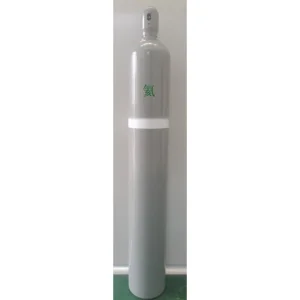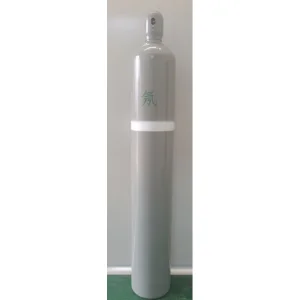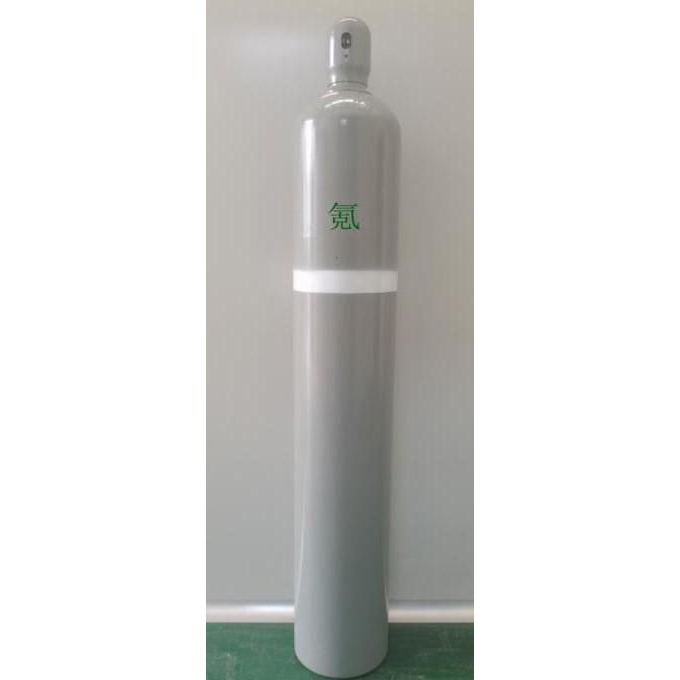
China High-purity krypton & Ultrapure krypton (Kr: 5N, 5.5N, 6N) Manufacturer, Manufacturers

Product Description

Application field: mainly used in semiconductor industry, electric vacuum industry, electric light source industry, as well as laser gas, medical health and other fields.
Technical Specifications
Item Technical Property
High purity krypton
GB/T5829-2006
Ultrapure krypton
Kr purity (volume fraction)/10-2≥ 99.999 99.9995 99.9999
Nitrogen (N2) content (volume fraction)/10-6≤ 2 1.5 0.2
Oxygen (O2) content (volume fraction)/10-6≤ 1.5(O2+Ar) 0.5(O2+Ar) 0.1
Argon (Ar) content (volume fraction)/10-6≤ 0.05
Hydrogen (H2) content (volume fraction)/10-6≤ 0.5 0.2 0.05
Carbon monoxide (CO) content (volume fraction)/10-6≤ 0.3 0.1 0.05
Carbon dioxide (CO2) content (volume fraction)/10-6≤ 0.4 0.1 0.05
Methane (CH4) content (volume fraction)/10-6≤ 0.3 0.1 0.05
Water (H2O) content (volume fraction)/10-6≤ 2 1 0.2
Xenon (Xe) content (volume fraction)/10-6≤ 2 1 0.2
Fluoride (CF4) content (volume fraction)/10-6≤ 1 0.2 0.05
Frequently Asked Questions
What purity levels of Krypton gas are available?
Krypton is offered in High Purity grades (99.999% and 99.9995%) compliant with GB/T5829-2006 standards, as well as an Ultrapure grade reaching 99.9999% purity.
What are the main industrial applications for Krypton gas?
Krypton is primarily utilized in the semiconductor industry, electric vacuum systems, electric light source manufacturing, excimer laser gas mixtures, medical applications, and related technical sectors.
What is the maximum moisture (H₂O) allowed in Ultrapure Krypton?
For Ultrapure Krypton (99.9999%), the moisture (H₂O) content is strictly controlled to ≤ 0.2 ppm (volume fraction/10⁻⁶).
How are Oxygen and Argon measured in the High Purity grades?
Under standard GB/T5829-2006, Oxygen and Argon content is combined (O₂ + Ar), with limits set at ≤ 1.5 ppm for the 99.999% grade and ≤ 0.5 ppm for the 99.9995% grade.
What are the impurity limits for Carbon compounds (CO, CO₂, CH₄, CF₄)?
In Ultrapure Krypton, Carbon monoxide (CO), Carbon dioxide (CO₂), Methane (CH₄), and Fluoride (CF₄) are each limited to ≤ 0.05 ppm to ensure optimal performance in sensitive electronic fabrication.

Related Products