| SN | Item | Unit | Values | |
|---|---|---|---|---|
| Min. | Max. | |||
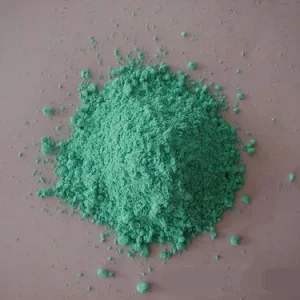
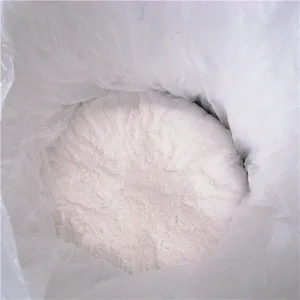
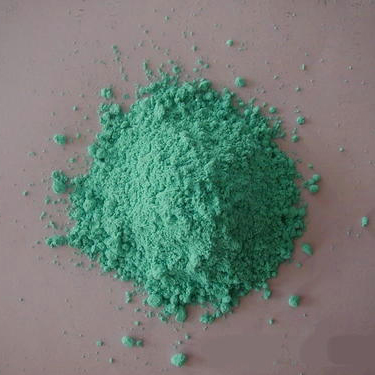
| 1 | Appearance | Light blue, free flowing property without visible impurities | ||
| 2 | Copper (as Cu) | % | 52.2 | 53.6 |
| 3 | Nitrate (as NO3) | % | 25.3 | 26.3 |
| 4 | Sodium (as Na) | % | - | 0.5 |
| 5 | Moisture | % | - | 0.3 |
| 6 | pH | - | 5.5 | 7.5 |
| 7 | -8μm Sieve Passing | % | 95 | - |
| 8 | D50 | μm | - | 1.5 |
Keep in a cool, dry, dark location in a tightly sealed container or cylinder. Keep away from incompatible materials, ignition sources and untrained individuals. Secure and label area. Protect containers and cylinders from physical damage.
Avoid contact with skin and eyes. Avoid generation of dust and aerosols. Provide appropriate exhaust ventilation at places where dust is produced. Keep away from sources of ignition - No smoking. Keep away from heat and sources of ignition.
Customized manufacturing is available for various applications based on your technical requirements.
We have an experienced R&D and production department, capable of developing and trial-producing new materials and specifications as per specific technical requirements.
Contact Inquiry: For technical consultations and quotations, contact via email: [email protected]
This product is primarily formulated and applied as an oxidizer/gas generator component in automotive airbag inflator systems.
Cupric Nitrate Basic is insoluble in water and alcohol, but dissolves readily in dilute acids and aqueous ammonia solutions.
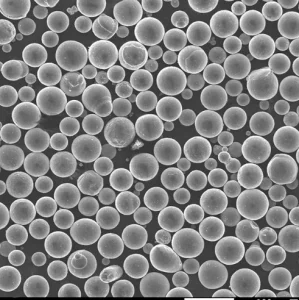
The material guarantees a median diameter (D50) of ≤ 1.5 μm, with at least 95% passing through a -8 μm screen for uniform flowability and reactivity.
Standard delivery is packaged in 25 kg woven bags lined internally with tightly closed double-layer plastic bags to avoid moisture absorption.
The technical grade offers a copper (Cu) content between 52.2% - 53.6% and a nitrate (NO3) content between 25.3% - 26.3%.
Yes, our R&D and production facilities support tailored manufacturing to meet customized specification needs across particle distributions and chemical limits.