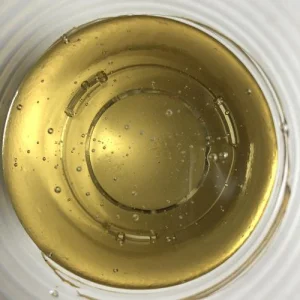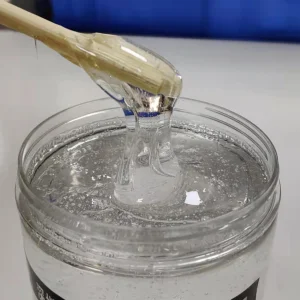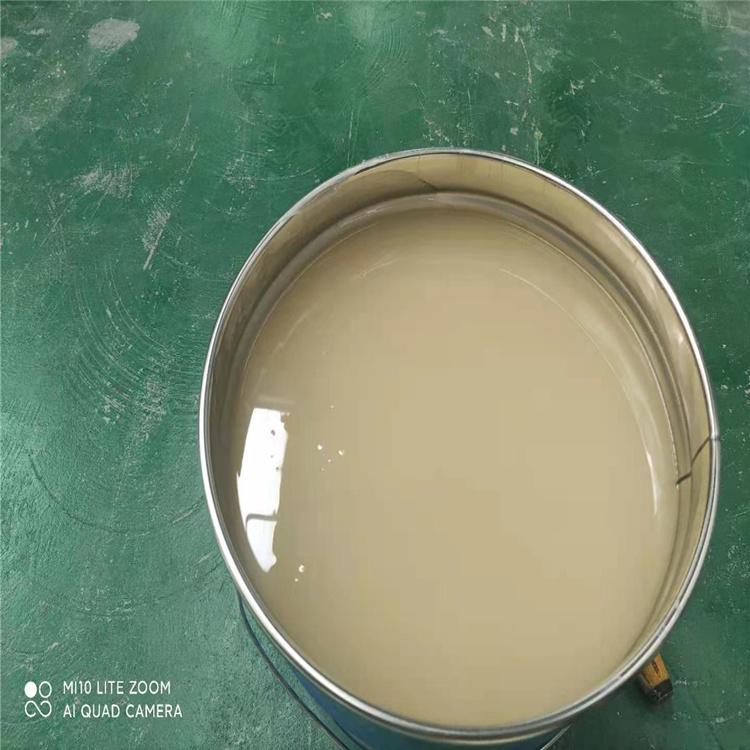
It is liquid at room temperature, which is convenient to use and process. Glass transition temperature of -80 ℃, with excellent low-temperature performance, the mechanical properties of the elastomer are close to those of PTMG.
Mainly used in solid propellant formulations, with excellent low-temperature mechanical properties and a wide range of operating temperatures.
With good molecular flexibility, it can replace PTMG in flexible artificial leather and printing ink; it can be used in low-temperature-resistant adhesives, coatings, polyurethane elastomers and so on.
| Item | Specification | ||||
|---|---|---|---|---|---|
| Di-functionality | Tri-functionality | ||||
| Type I | Type II | Type III | Type IV | ||
| Number average molecular weight (Mn) | 3500±350 | 4000±400 | 4500±450 | 5000±500 | 4500~7000 |
| Hydroxyl value, mgKOH/g | 23.0~37.6 | 20.1~32.6 | 17.9~29.2 | 16.2~26.4 | 19.5~45.0 |
| Acid value, mgKOH/g | ≤0.10 | ||||
| Water mass fraction, % | ≤0.10 | ||||
It remains a liquid at room temperature, making it exceptionally convenient to use and process during manufacturing operations.
It exhibits a glass transition temperature of -80 ℃, delivering outstanding low-temperature performance with elastomer mechanical properties comparable to PTMG.
It is primarily utilized in solid propellant formulations, where it delivers superior low-temperature mechanical properties across a broad operating temperature range.
Due to its high molecular flexibility, it effectively replaces PTMG in flexible artificial leather, printing ink, low-temperature-resistant adhesives, coatings, and polyurethane elastomers.
Number average molecular weights (Mn) range across di-functional grades from Type I (3500±350) to Type IV (5000±500), and between 4500~7000 for the tri-functional grade.
Both the acid value and the water mass fraction are tightly maintained at ≤0.10 mgKOH/g and ≤0.10% respectively across all product grades.