Direct supply line of specialty functional raw materials, advanced gas formulations, and fine synthetic intermediates engineered for mission-critical industrial manufacturing.
4-Methylphenylhydrazine hydrochloride (CAS 637-60-5; molecular formula C7H10N2·HCl; molecular weight 158.63 g/mol), also known as p-Tolylhydrazine hydrochloride, represents a critical arylhydrazine salt engineered for organic heterocyclic synthesis, specialized crop protection actives, and high-value Active Pharmaceutical Ingredients (APIs).
The worldwide consumption of p-tolylhydrazine salts continues to accelerate, driven predominantly by high-margin therapeutic classes such as selective COX-2 inhibitors (Celecoxib derivatives) and systemic fungicidal pyrazole carboxylates. As multi-ton chemical synthesis transitions from traditional European producers to integrated Chinese clusters, supply resilience, impurity profiling, and pricing transparency have become decisive procurement metrics.
Yanxatech leverage raw p-toluidine (4-methylaniline) pipeline networks, enjoying substantial feedstock insulation from global energy fluctuations. Through continuous-flow diazotization and controlled reduction technologies, Chinese manufacturing entities deliver uniform particle morphology and minimal residual heavy metals, cementing an indispensable global position across the fine chemical value chain.
Because hydrazine intermediates demand strict exposure handling, modern production complies with stringent international environmental safety regimes. Batch-specific analytical COAs, REACH registration frameworks, standard GHS hazardous documentation, and cGMP-adjacent documentation safeguard global contract research and commercial manufacturing organizations (CRO/CDMO) from cross-border audit liabilities.
Market benchmark pricing based on standard FOB/CIF terms, variable packaging configurations, and certified quality parameters. Real-time contracts are indexed to base aromatic raw material indices.
| Analytical Parameter | Technical Grade (Agrochemical) | High-Purity API Grade | Testing Methodology |
|---|---|---|---|
| Assay Purity (Titration/HPLC) | ≥ 98.0% | ≥ 99.0% - 99.5% | HPLC / Reverse Phase Chromatography |
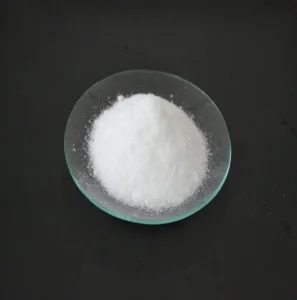
| Appearance | Off-white to light pink crystalline powder | Pure white to pale crystalline solid | Visual / Spectrophotometric |
| Melting Range | 218 °C – 224 °C (dec.) | 221 °C – 225 °C (dec.) | Capillary Melting Point Apparatus |
| Loss on Drying (Moisture) | ≤ 1.0% | ≤ 0.5% | Karl Fischer / Vacuum Oven 60°C |
| Residue on Ignition (Sulfated Ash) | ≤ 0.2% | ≤ 0.1% | USP ⟨281⟩ Gravimetric Ignition |
| Unreacted Free Amines (p-Toluidine) | ≤ 0.5% | ≤ 0.1% (1000 ppm Max) | Gas Chromatography - Mass Spec (GC-MS) |
| Heavy Metals (Pb, As, Cd) | ≤ 20 ppm | ≤ 10 ppm | ICP-OES / ICP-MS Elemental Analysis |
| Volume Tier (Commercial) | Packaging Configuration | Indicative Price Range (USD/kg FOB) | Lead Time & Logistical Readiness |
|---|---|---|---|
| Pilot / Validation (25 kg – 100 kg) | 25 kg Fibre Drums with dual anti-static PE liners | $38.00 – $45.00 / kg | In-stock inventory; dispatch within 3–5 working days |
| Commercial Volume (500 kg – 2,000 kg) | 25 kg UN-approved Fibre Drums / Palletized | $28.50 – $34.00 / kg | Production run: 10–14 days; Full lot COA verification |
| Contract / Multi-Ton (> 5,000 kg) | Customized tonnage bulk containers / sealed drums | $21.00 – $26.50 / kg | Scheduled rolling contracts; Dedicated batch reservation |
A multi-functional synthon operating as a nucleophilic core for complex five- and six-membered heterocycles across regulated pharmaceutical, agrochemical, and material sectors.
Functions as the vital starting precursor in the cyclization reaction yielding Celecoxib and structurally related non-steroidal anti-inflammatory drugs (NSAIDs). The hydrazine moiety condenses cleanly with 1,3-dicarbonyl intermediates to construct the pyrazole pharmacophore core with exceptional regiochemical fidelity.
Crucial intermediate in synthesizing broad-spectrum pyrazole-based fungicides, selective herbicides, and novel acaricides. Its high nucleophilic stability under hydrochloric protection ensures quantitative condensation yields without secondary side reactions on sensitive side groups.
Utilized in synthesizing azo-pigments, specialty dyes for synthetic textiles, and heterocyclic antioxidant stabilizers that protect engineering plastics against photo-oxidative embrittlement under rigorous thermodynamic regimes.
Transitioning fine chemical engineering from legacy batch reactors to automated microchannel systems to eliminate thermal hotspots and elevate purity thresholds.
Replacing traditional batch stirred tanks with micro-reaction conduits. p-Toluidine is contacted with stoichiometric sodium nitrite and hydrochloric acid within milliseconds, mitigating local concentration spikes, preventing decomposition of unstable diazonium intermediates, and curtailing thermal runaway hazards.
Reduction of the diazonium salt using sodium sulfite/bisulfite solutions under controlled pH or modern catalytic hydrogenation systems. This suppresses the formation of symmetric azo byproducts and hazardous unreacted nitrosamines, safeguarding compliance with stringent international ICH M7 genotoxic guidelines.
Hydrochloric acid gas addition prompts the rapid precipitation of 4-methyl phenyl hydrazine hydrochloride. Employing rotating packed bed crystallizers yields controlled particle size distribution (PSD), streamlining subsequent centrifugal separation, vacuum drying, and mitigating dark degradation color formation.
Mother liquor recycling protocols reclaim inorganic salts and neutralize effluent before biological water treatment. Off-gas scrubbers achieve 99.8% capture efficiency for acidic vapors, fulfilling eco-industrial closed-loop mandates across Chinese chemical parks.
Eliminating delivery delays, documentation non-conformity, and qualitative deviations through vertically integrated manufacturing controls.
Every shipment is supported by complete documentation including HPLC chromatograms, Karl Fischer moisture assays, GHS-compliant 16-section SDS, and non-DG declarations or dangerous goods packaging certificates where sea/air freight parameters dictate.
Pharmaceutical CDMO clients require rigorous assurance regarding hydrazine residues and free toluidine. Yanxatech enforces specific manufacturing limits (≤ 1000 ppm free aniline homologues) to simplify your downstream DMF filing with the US FDA or EMA authorities.
Through our bonded warehousing facilities, international buyers can establish vendor-managed inventory (VMI) buffers, protecting commercial manufacturing campaigns from volatile seasonal shipping congestion and aromatic raw material price surges.
Key clarifications addressing purity parameters, storage protocols, logistics classification, and sample requests.
The salt form (hydrochloride) provides substantially improved oxidative and thermal stability compared to the free base (4-methylphenylhydrazine). When stored in tightly sealed containers with inert inner liners, shielded from light, moisture, and temperatures below 25 °C, the product retains full certified assay stability for 24 months.
Depending on testing criteria and concentration, it is commonly transported under toxic solid, organic classifications (UN 2811, Class 6.1, PG III) or standard regulated chemical pathways. We provide complete dangerous goods classification paperwork, UN-rated drums, and IMDG/IATA compliant shipping declarations.
Yes. We accommodate specific PSD requirements ranging from coarse free-flowing crystal forms (for dust-free charging in automated reactors) to micronized powder configurations suitable for low-temperature homogeneous slurry reactions.
Sample packages (100g to 500g) with fully corresponding Certificates of Analysis are typically dispatched via courier within 48 to 72 hours for qualified R&D laboratories and enterprise buyers.
Review the comprehensive spectrum of specialized rubber polymers, inorganic salts, and advanced alloy powders produced to exacting global manufacturing standards.