


Engineered to exceed ASTM, ACS Reagent, and ISO 9001:2015 criteria for metallurgical formulations, high-reliability elastomers, and vacuum semiconductor fabrication.




A comprehensive examination of supply chain resilience, intermodal transit, high-spec stoichiometry, and the critical role of specialized chemical synthesis across Illinois and the Rust Belt.
The Greater Chicago metropolitan area—stretching from the Calumet Industrial District across Cook, Will, and DuPage counties, and extending into Northwest Indiana—stands as one of North America's most strategically vital manufacturing arteries. As a global terminus for Class I transcontinental freight rail lines (BNSF, Union Pacific, Norfolk Southern, CSX) combined with access to maritime container ports along Lake Michigan and the Illinois Waterway System, Chicago represents a pivotal processing and consumption nexus for industrial inorganic salts.
Modern heavy industry in this corridor has transcended legacy commodities. High-technology operations across automotive drivetrain casting, continuous slab steel manufacturing in Gary and East Chicago, advanced battery slurry synthesis, metal surface finishing, and pharmaceutical formulation demand exact chemical purity. Inorganic salts—encompassing acetates, nitrates, phosphates, sulfates, and synthetic halides—form the molecular foundation for complex catalytic, electrochemical, and metallurgical transformations.
Procurement executives and chemical plant engineers operating in Illinois face rigorous challenges: maintaining uninterrupted, just-in-time raw material flow while complying with stringent regional environmental mandates enforced by the Illinois EPA and U.S. EPA Region 5. YANXA bridges this exact divide by synthesizing ultra-consistent, laboratory-certified inorganic salts and specialty precursors backed by international ISO 9001 certified production, audited batch testing, and localized logistics support.
From electroplating and passivating baths along the I-55 Industrial Corridor to catalytic cracked refinery systems in Lemont, technical procurement demands tight control over trace heavy metals (Fe ≤ 5 ppm, Pb ≤ 2 ppm, As ≤ 1 ppm), particle size distribution (PSD), and solubility kinetics. We provide direct factory-to-dock routing with fully compliant GHS SDS, batch-specific ICP-OES Certificates of Analysis, and dedicated warehousing solutions.
Addressing structural vulnerabilities in specialty salt refining through vertically integrated synthetic capacity, raw material hedging, and deep multimodal logistics.
The global supply of critical inorganic salts—specifically high-grade barium carbonate, strontium mineral ores, refined phosphates, and fluorochemical intermediates—is prone to geographical pinch points. YANXA operates state-of-the-art crystallization, neutralization, and precision precipitation units directly adjacent to high-yield extraction sites, mitigating intermediate pricing shocks and ensuring guaranteed stoichiometric stability for downstream clients.
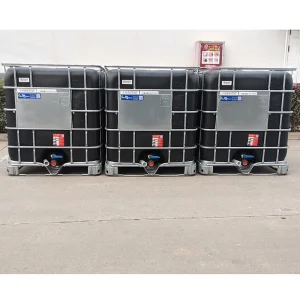
Inorganic salts involving oxidizing anions (nitrates), reactive alkaline earths, or corrosive acid hydrates require strict adherence to international maritime (IMDG) and domestic highway/rail (DOT) hazard classifications. Our end-to-end packaging protocols leverage UN-certified HDPE drums, multi-ply moisture-barrier poly-lined bags, and hermetically sealed nitrogen-blanketed intermediate bulk containers (IBCs) to prevent hydration and clumping.
Every single industrial lot produced undergoes rigorous multi-point validation: Inductively Coupled Plasma Optical Emission Spectroscopy (ICP-OES), X-ray Diffraction (XRD) phase purity determination, Karl Fischer coulometric moisture testing, and sieve-mesh laser diffraction. Full documentation packs—including US-GHS compliant SDS, TDS, Certificate of Analysis (COA), and Certificate of Origin (COO)—accompany every container.
| Inorganic Salt Category | Primary Industrial Grades | Key Chemical Markers | Chicago & Midwest Target Application | Packaging Architecture |
|---|---|---|---|---|
| Barium Salts (Acetates, Nitrates) | Technical ≥99.0%, Reagent ≥99.5% | Fe ≤ 10 ppm, Chloride ≤ 20 ppm, Insoluble ≤ 0.01% | Ceramic dielectrics, optical specialty glass, metal heat treatment | 25kg UN Fiber Drums / Palletized Moisture Bags |
| Strontium Derivatives | Anhydrous, Hemihydrate ≥99.2% | Ba ≤ 0.05%, Heavy Metals (Pb) ≤ 5 ppm | Pyrotechnic signaling, catalyst synthesis, corrosion-inhibiting primers | 25kg Poly-lined Multi-wall Kraft Sacks |
| Phosphate Salts (TCP, Calphos) | FCC, USP, Technical Micronized | Assay (as Ca) 34.0–40.0%, F ≤ 50 ppm, As ≤ 1 ppm | Nutraceutical compounding, food anti-caking, ceramic glazes | 25kg Hermetic Heat-Sealed Bags, Super Sacks |
| Alloy Powders & Precursors | Gas-Atomized Spherical, Flake | D50 15–53 μm, Apparent Density ≥1.2 g/cm³ | Additive manufacturing, automotive thermal spray, zinc rich primers | Inert Argon-Purged Steel Drums (UN 4.3) |
Analyzing high-value implementation sectors within Chicago's specialized industrial corridors, from metal plating to advanced energy storage.
The concentration of heavy industrial equipment manufacturing in Peoria, Rockford, and metro Chicago relies heavily on advanced electrolytic and non-electrolytic metal finishing. Highly soluble, precisely synthesized inorganic acetates and nitrates serve as essential buffer salts, mordants, and conductivity enhancers in conversion coating chemistries. In black oxide and zinc-nickel passivation lines, our technical-grade barium and strontium compounds control precipitation dynamics, yielding uniform microcrystalline barrier layers that withstand up to 1,000 hours of ASTM B117 salt spray exposure without red corrosion.
Chicago’s tier-one and tier-two automotive adhesive formulators utilize our liquid reactive rubbers—such as Carboxyl-Terminated Nitrile Butadiene (CTBN) and Amino-Terminated Nitrile Butadiene (ATBN)—in combination with inorganic rheological modifiers. These liquid elastomers co-react into epoxy resin matrices to dissipate mechanical stress, prevent micro-cracking in high-vibration engine bay assemblies, and preserve lap-shear strength at temperatures ranging from -40°C to 150°C.
Under EPA Region 5 oversight and Chicago Metropolitan Water Reclamation District (MWRD) regulations, industrial discharges into the Calumet and Chicago river watersheds must adhere to near-zero tolerance for dissolved sulfates, fluorides, and heavy metals. Industrial inorganic barium and calcium salts serve as vital stoichiometrically controlled precipitating agents, facilitating the formation of ultra-insoluble barium sulfate (BaSO4) and fluorite sludges that dewater rapidly, minimizing filter-cake generation and municipal surcharge costs.
The expansion of data center infrastructure in suburban Chicago (Elk Grove Village) coupled with precision vacuum brazing operations requires uncompromised dielectric materials and specialty gases. Our SF6 (Sulfur Hexafluoride) provides critical arc-quenching performance in 138kV–345kV gas-insulated substations (GIS), while 6N ultra-pure Krypton and Neon ensure ultra-stable plasma discharge environments in semiconductor inspection tools and excimer laser annealing equipment.
Every chemical lot delivered to Midwest facilities is backed by full analytical validation. We support incoming inspection protocols by providing pre-shipment retain samples, detailed FTIR / ICP assay charts, and complete documentation aligned with Illinois Tier II Emergency and Hazardous Chemical Inventory reporting.
Seamlessly navigating federal, state, and environmental frameworks to guarantee zero production disruptions for our North American clients.
Under the Toxic Substances Control Act (TSCA), chemical manufacturers and importers must verify that every chemical substance placed into commerce is actively registered. YANXA verifies all CAS registry numbers against the EPA TSCA Chemical Substance Inventory, eliminating the risk of customs holds or administrative stop-orders at the Port of Chicago or inland ports of entry.
Chemical packaging and hazard communication protocols strictly align with 29 CFR 1910.1200. Every drum, sack, and cylinder features high-durability, weather-resistant pictograms, standardized signal words, and comprehensive hazard statements. Comprehensive 16-section Safety Data Sheets (SDS) are provided in editable and PDF formats for seamless integration into plant safety databases.
Operating within the Great Lakes ecosystem requires acute awareness of phosphorus limits, fugitive dust containment, and heavy metal remediation. Our manufacturing processes utilize closed-loop mother-liquor crystallization and vacuum dry systems, guaranteeing low water-insoluble residues and zero uncontrolled crystalline dust escape during batch unloading.
Transitioning from energy-intensive thermal precipitation to clean, continuous crystallization and circular salt recycling platforms.
Traditional batch-reactor precipitation often generates wide crystal size distributions (CSD) and uneven crystal morphology. YANXA is investing in continuous micro-channel reactor platforms that achieve precise micro-mixing of alkaline earth hydroxides with volatile organic acids. This eliminates localized supersaturation, yielding sub-micron salt crystals with tighter morphology and near-theoretical stoichiometric purity.
With primary mineral veins becoming increasingly mineralogically complex, our pilot facilities have deployed proprietary hydrometallurgical leaching columns that extract barium and strontium ions from industrial byproduct slags and spent catalyst residues. This closed-loop recycling reduces raw carbon footprints by up to 34% per metric ton of refined acetate salt, supporting global scope-3 decarbonization goals.
Bridging inorganic chemistry and precision metallurgy, our plasma atomization suites achieve spherical powders of aluminum-magnesium and zinc alloys with satellite-free particle surfaces. Tailored for laser powder bed fusion (LPBF) and direct energy deposition (DED), these powders enable Midwest aerospace foundries to 3D-print lightweight structural parts possessing superior fatigue thresholds.
Explore our complete spectrum of specialty gases, atomized alloy powders, reactive synthetic polymers, and polyether intermediates serving Midwestern enterprises.






Key technical and logistics verification steps to prevent production downtime and maintain safety integrity across regional facilities.
When purchasing industrial inorganic salts, relying on generic trade names risks severe process variability. Procuring engineers should request lot-specific analytical certificates demonstrating assay percentages quantified via complexometric titration or ICP-OES. Critical parameters include total insoluble matter (≤0.005%), residual chloride and sulfate content, and specific trace alkaline earth ratios to avoid cross-contamination in catalytic beds or electroplating baths.
The humidity variations characteristic of the Midwestern climate—ranging from sub-zero winter dry air to extremely humid summer lake breezes—accelerate moisture absorption in hygroscopic salts like barium acetate and calcium chloride. Sourcing protocols must require heavy-gauge polyethylene inner liners with heat-sealed hermetic closures, packaged in corrugated outer containers or fiberboard drums with tamper-evident band seals.
Inorganic salts categorized as oxidizers (Class 5.1), corrosives (Class 8), or water-reactive substances (Class 4.3) demand stringent transport oversight. Ensure that all carrier partners serving the Chicago intermodal terminals are certified for hazardous cargo hauling and that packaging complies with 49 CFR § 173 packaging authorizations. YANXA provides pre-verified freight forwarding documentation to guarantee frictionless border clearance and inland transfer.
A high-reliability supplier must possess auditable manufacturing roots. Look for established chemical manufacturers that welcome third-party inspections (e.g., SGS, Bureau Veritas), maintain comprehensive retain sample libraries for a minimum of 24 months, and offer direct access to staff synthetic chemists to discuss custom particle size milling, screening, or crystalline polymorphic modifications.
Clear, technical explanations addressing high-frequency inquiries from procurement officers, research chemists, and supply chain coordinators in the Chicago region.
Every production lot shipped to North America includes a comprehensive documentation pack: a batch-specific Certificate of Analysis (COA) displaying tested assay, trace heavy metal analysis (ICP-OES), and moisture content; an OSHA-compliant 16-section Safety Data Sheet (SDS) in GHS format; a Technical Data Sheet (TDS); commercial packing list, invoice, and Certificate of Origin (COO). For dangerous goods, UN-certified packaging test certificates and IMDG/DOT declarations are supplied.
Hygroscopic chemicals such as barium acetate, strontium acetate, and fine phosphates are packed inside heavy-duty multi-layer composite film liners or sealed aluminum-barrier foil bags placed inside rigid UN-rated fiber drums or plastic barrels. Packaging is executed in climate-controlled clean rooms, and desiccant packs or dry nitrogen blanketing are utilized when specified by customer engineering requirements.
Yes. We utilize precision mechanical milling, air-classifier classification, and gas atomization technology to customize particle dimensions. Whether your production line requires ultra-fine microcrystalline powder (≤10 μm) for fast dissolution kinetics or free-flowing granular grades (40–100 mesh) for automated hopper conveyance, our production parameters can be calibrated to your exact technical data sheet.
Standard pallet quantities (typically 500 kg to 1,000 kg depending on product density) represent our baseline commercial MOQ, while full container load (FCL) orders benefit from volume tiered pricing. Transit times to the Chicago rail hub via West Coast or East Coast ports generally range from 18 to 26 days. Expedited air-freight options are available for R&D sample batches and critical shutdown replenishment.
Yes. We routinely audit our chemical inventory against the active TSCA chemical inventory list. For commercial shipments entering the United States, our customs brokers provide certified positive Section 13 TSCA declarations, verifying that all substances conform with EPA rules and have received applicable Chemical Data Reporting (CDR) compliance clearance.
Carboxyl-Terminated Nitrile Butadiene Rubber (CTBN) undergoes an in-situ phase separation during the curing of thermosetting epoxy resins, forming microscopic elastomeric domains (1–5 μm) evenly distributed throughout the rigid epoxy network. These rubbery phases arrest crack propagation and absorb mechanical shock, significantly increasing peel strength, impact toughness, and thermal shock resistance without sacrificing glass transition temperature (Tg).
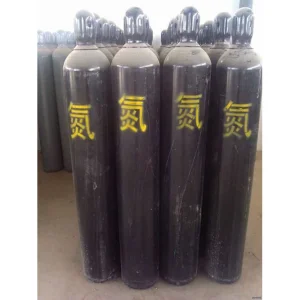
Specialty gases are packaged into seamless steel or aluminum cylinders certified to Department of Transportation (DOT-3AA or DOT-3AL) specifications or ISO 9809 standards. Every cylinder is hydrostatically pressure tested, baked, vacuum-purged, and fitted with high-integrity CGA-standard brass or stainless-steel valves to eliminate fugitive emissions and protect against atmospheric back-contamination.
Absolutely. We regularly coordinate with international testing authorities such as SGS, Intertek, and Bureau Veritas. Buyers may specify independent sampling, container seal verification, assay cross-validation, and particle morphology scanning prior to vessel departure, providing complete transparency and auditability.
