


Authoritative metallurgical coating systems, advanced resin functionalization, and high-purity inorganic precursor supplies engineered for mission-critical industrial longevity.
Direct factory supply chain integration supporting advanced thermo-curable coatings, passivation layers, and precision alloy formulations.
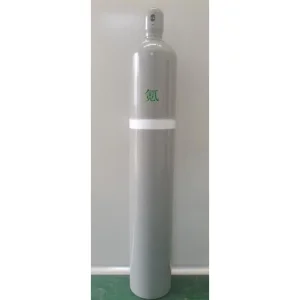


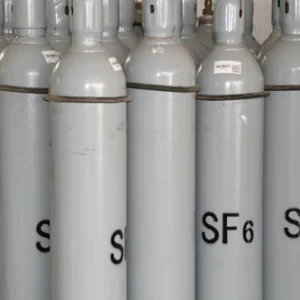
Bridging mechanical durability, non-reflective micro-textures, and high chemical resistance across demanding environments.
Traditional chemical blackening (black oxide) yields micro-porous conversion coatings offering under 24–48 hours of neutral salt spray resistance unless perpetually saturated with oil. Modern blackened steel powder formulations leverage specialized polyester-epoxy hybrid resins and passivation nitrates, elevating ASTM B117 salt fog endurance to over 1,500 hours without maintenance lubricants.
Architectural and precision instrumentation enclosures require uniform dark gunmetal and carbon-black aesthetics with controlled gloss levels down to 2–5 GU at 60°. Through microscopic degassing additives and inorganic matrix integration, suppliers achieve ultra-fine matte blackened tones immune to finger-marking and UV chalking.
High-operating-temperature machinery components experience significant thermal cycle wear. Utilizing atomized alloy powder extenders and high-Tg carboxyl polymer networks guarantees film mechanical adhesion (ISO 2409 Class 0), resisting delamination during rapid thermal cycling ranging from -40°C to +260°C.
Eliminating bath chemical waste, cyanide or caustic effluent compliance risks, and labor-intensive multi-stage dip tank procedures reduces life-cycle production expenditure by 35–42%. Electrostatic application guarantees up to 98% material utilization via overspray recovery loops.
Comparative empirical data demonstrating performance metrics of thermoset powder coatings versus classical hot caustic blackening and phosphating.
| Evaluation Parameter | Hot Black Oxide (MIL-DTL-13924) | Zinc/Manganese Phosphating | Engineered Blackened Steel Powder Coat |
|---|---|---|---|
| Corrosion Resistance (ASTM B117) | 24 – 96 Hours (oil required) | 72 – 150 Hours | 1,000 – 2,500 Hours (Dry film) |
| Dimensional Impact | < 0.001 mm (negligible) | 0.005 – 0.015 mm | 40 – 90 μm (Controlled film build) |
| Mechanical Wear / Pencil Hardness | Substrate hardness dependent | 2H – 3H | 3H – 5H (Polymer-ceramic matrix) |
| VOC Emissions & Environmental Profile | Hazardous caustic effluent / Heavy fumes | Acid sludge / Phosphate wastewater | Zero VOCs / REACH & RoHS Compliant |
| Chemical & Solvent Resistance (MEK Rubs) | Poor (Vulnerable to acids) | Moderate | > 200 Double Rubs without degradation |
From mission-critical mechanical structures to high-spec architectural profiles, our material solutions satisfy demanding international standards.
Sought-after aesthetic finish replicating hand-rubbed blackened iron and patinated gunmetal without the associated rust staining. Excellent Qualicoat Class 2 superdurable weatherability, withstanding prolonged solar irradiation and humidity.
Internal camera housing components, optical chassis, and laser system jigs require maximum light absorption and negligible reflectance. Formulated with inorganic black pigments that reduce parasitic specular reflection to under 1.5% across visible bands.
Under-hood brackets, suspension links, hydraulic cylinder exteriors, and transmission casings benefit from our specialized carboxyl and liquid rubber-modified epoxy networks. These modifications eliminate brittle micro-fracturing caused by gravel chipping or intense mechanical vibration, remaining compliant under severe chemical exposure to hydraulic oils, brake fluids, and glycol.
Advancing from high-energy thermal curing toward sustainable low-bake catalysts and next-generation functional additives.
Developing ultra-reactive latent catalysts dropping standard curing cycles from 200°C for 15 minutes down to 140°C–160°C. This lowers energy expenditure by up to 30% and opens compatibility with temperature-sensitive substrates and pre-assembled alloy components.
Total elimination of TGIC (triglycidyl isocyanurate) crosslinkers in favor of advanced Primid (hydroxyalkylamide) systems, ensuring total adherence to EU RoHS, REACH annex XVII, and California Proposition 65 regulations without surface bubbling.
Incorporation of micro-encapsulated liquid rubber (CTBN) core-shell tougheners. Scratches through the surface matrix prompt local stress-relieving viscoelastic flows, inhibiting sub-film moisture penetration and filiform corrosion along raw metal edges.
End-to-end digital COA linkage from precursor chemical synthesis through gas-atomized powder milling. Every shipment features verifiable laser diffraction granulometry curves (D10, D50, D90) and gas chromatography purity records.
Completing our certified export inventory with comprehensive technical data sheets and dangerous goods compliance.
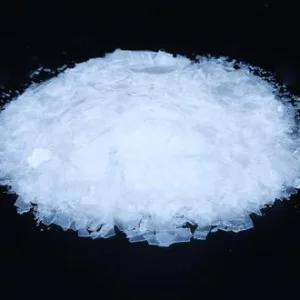

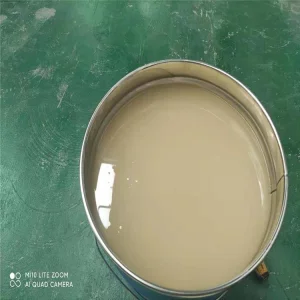



Addressing particle distribution, international compliance certifications, and substrate pre-treatment considerations.
Traditional black oxide conversion produces an ultra-thin iron oxide (Fe3O4) coating typically 1 to 2 micrometers thick. Because it does not add dimensional volume, it cannot offer self-sustained barrier protection and relies entirely on oil saturation. Powder coating creates an impervious crosslinked polymer barrier (50–80 μm) that delivers superior resistance against salt spray, scratches, and acid mist.
Optimal mechanical adhesion requires grease removal (alkaline degrease) followed by grit blasting (Sa 2.5 profile of 25–40 μm) or chemical conversion using micro-crystalline zinc phosphate or zirconium nano-ceramic technology. Pre-heating thick steel sections prevents pinholing and outgassing caused by entrapped air in cast iron or porous weld seams.
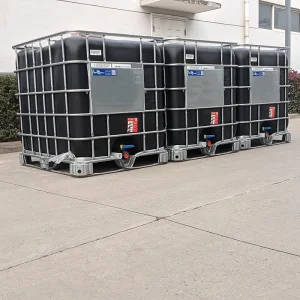
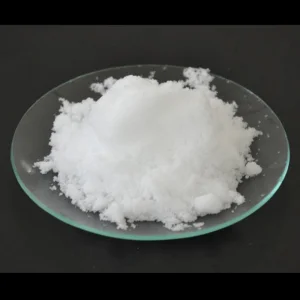
All dangerous goods—including nitrates, reactive metal powders, and compressed gases—are shipped in strict compliance with UN Model Regulations, IMDG (maritime), and IATA (air freight) protocols. Every consignment includes multilingual GHS-compliant SDS documentation, UN-certified packaging, and pre-shipment third-party inspections (e.g., SGS, CIQ) upon request.
Yes. Our manufacturing facilities adjust particle classification via cyclone air classification, matching D50 requirements (typically 30–45 μm for electrostatic corona spraying or 15–25 μm for ultra-thin film coils). Color and gloss values are tuned to RAL, Pantone, or customer master steel swatches using spectrophotometric batch tracking (ΔE < 0.3).