Engineered for critical semiconductor etching, high-voltage power transmission (SADI), metallurgy, and precision laboratory applications across Buenos Aires, Santa Fe, and Neuquén.
An in-depth technical analysis of Argentina’s dual role as a hydrocarbon giant and an import-reliant market for ultra-pure process gases, rare noble elements, and advanced chemical feedstocks.
Argentina stands at a pivotal macroeconomic turning point. With the massive development of the Vaca Muerta unconventional basin in the Neuquén Basin—holding the world’s second-largest shale gas and fourth-largest shale oil reserves—the domestic market produces vast quantities of raw methane, ethane, and standard light hydrocarbons. However, this domestic energy surplus contrasts sharply with severe structural domestic deficits in specialty gases, rare noble gases (Kr, Xe, Ne), electronic-grade fluorochemicals (CF4, C4F8, SF6), and ultra-pure atmospheric gases (5N to 6N grade). Industrial conglomerates operating in Buenos Aires, Rosario, Córdoba, and Tierra del Fuego face persistent localized supply chain vulnerabilities, requiring stable, verified import channels from primary international manufacturers.
The industrial gas procurement architecture in Argentina is heavily concentrated around four critical strategic sectors: high-voltage energy transmission (where dielectric Sulfur Hexafluoride / SF6 is indispensable), chemical and agro-industrial synthesizing complexes (reliant on massive purging cycles using Ultra-Pure Nitrogen / N2), high-technology assembly hubs in Rio Grande (demanding Carbon Tetrafluoride / CF4 for semiconductor plasma etching and surface activation), and precision medical instrumentation requiring cryogenic noble gases such as Xenon (Xe) and Krypton (Kr).
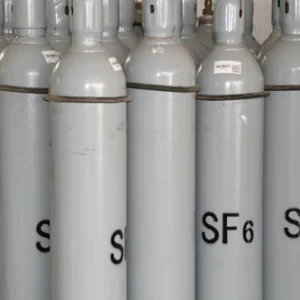
Argentina's Sistema Argentino de Interconexión (SADI) requires premium dielectric SF6 gas complying with strict IEC 60376 standards to prevent arc discharge across 500kV substations, minimizing electrical transmission downtime.
The vast beef processing, grain storage, and wine manufacturing corridors along the Paraná river depend heavily on food-grade nitrogen and argon blanketing to ensure extended shelf stability, preventing lipid oxidation in export shipments.
Consumer electronics manufacturing clusters situated in Tierra del Fuego utilize high-grade CF4 plasma cleans and optical lasers charged with premixed excimer-grade Krypton and Neon to maintain sub-micron component tolerances.
Navigating strict assay thresholds, comprehensive Certificate of Analysis (COA) authentication, packaging integrity, and direct import economic modeling.
Procuring specialized and atmospheric gases for operations in Argentina requires strict adherence to international standardizations. Procurement executives are frequently challenged by long shipping lead times from primary manufacturers in Asia or Europe, exchange rate volatility, and rigid customs screening managed by Aduana (AFIP). Consequently, tier-one manufacturers must meet stringent vendor onboarding criteria, backed by verifiable physical data points rather than commercial claims.
| Gas Identification | Chemical Formula | Certified Purity | Critical Impurity Limits | Standard Cylinder / Packaging Spec | Primary Industrial Use in Argentina |
|---|---|---|---|---|---|
| Carbon Tetrafluoride | CF4 | 99.999% (5N) | O2 < 1 ppm, H2O < 2 ppm, CO+CO2 < 1 ppm | DOT-3AA / ISO 9809-1 47L, 150 bar | Semiconductor etching, solar cell wafer cleaning |
| Sulfur Hexafluoride | SF6 | 99.999% (5N) | Acidity < 0.1 ppm, H2O < 1.5 ppm, Air < 100 ppm | 40L / 50L Cylinders, Y-Ton Tanks (930L) | High-voltage GIS switchgear, electrical substations |
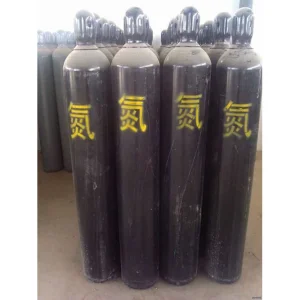
| Ultra-Pure Nitrogen | N2 | 99.9999% (6N) | O2 < 0.5 ppm, Moisture < 0.5 ppm, THC < 0.1 ppm | High-pressure skid tube bundles, ISO Tanks | Vaca Muerta pipeline inerting, chemical purging |
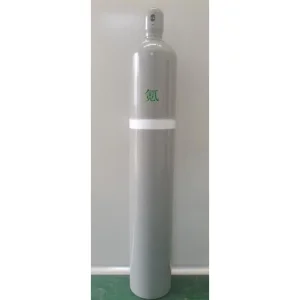
| Rare Noble Gas Xenon | Xe | 99.9999% (6N) | Kr < 0.5 ppm, N2 < 0.5 ppm, CF4 < 0.1 ppm | 10L - 50L Aluminum / Steel high-pressure cyl | Satellite electric propulsion, medical SPECT imaging |
| High Purity Krypton | Kr | 99.999% (5N) | Total Hydrocarbons < 0.5 ppm, H2O < 1 ppm | 40L / 50L Certified seamless cylinders | Excimer laser optics, insulated triple glazing |
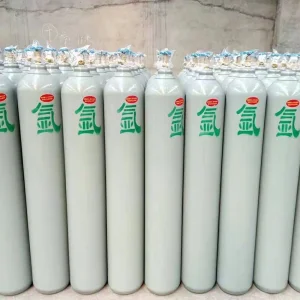
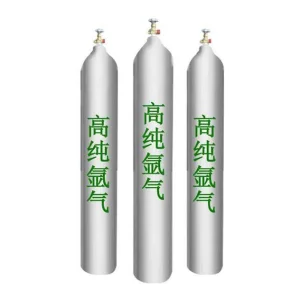
| High-Purity Argon | Ar | 99.999% (5N) | O2 < 1.0 ppm, H2O < 2.0 ppm, N2 < 4.0 ppm | Liquid Dewars (DPL-175) or 50L 200 bar racks | Automotive robotic TIG/MIG welding, specialty foundry |
Every industrial shipment bound for the ports of Buenos Aires, Dock Sud, or Zárate undergoes multi-stage laboratory gas chromatography and mass spectrometry (GC-MS). We issue independent, fully auditable testing documentation guaranteeing batch conformity:
Direct manufacturer-to-plant logistics overcome regional stocking premiums and eliminate intermediate trader margins, passing significant cost reductions directly to Argentine operating plants:
A rigorous roadmap designed to expedite customs clearance through Aduana, ensure SEDRONAR registration where applicable, and maintain strict environmental compliance.
Importing compressed, liquefied, and cryogenic gas mixtures into Argentina demands an intricate understanding of the Argentine National Regulatory Framework. In addition to standard customs documentation (Commercial Invoice, Packing List, and Ocean Bill of Lading), industrial chemicals and pressurized vessels are subject to multi-agency scrutiny involving the Instituto Argentino de Normalización y Certificación (IRAM), the Secretaría de Ambiente y Desarrollo Sustentable, and specific hazardous chemical inventories managed by SEDRONAR.
Pressurized gas cylinders must comply with IRAM 2526 standards or demonstrate certified equivalence to ISO 9809-1 / DOT-3AA specifications. Failure to substantiate shell thickness, metallurgical elasticity, hydraulic pressure testing, and valve connection compatibility (e.g., CGA 590, CGA 580, or DIN 477 standards) can result in port-side quarantine at Terminales Río de la Plata (TRP). Our international export division prepares bilingual (English-Spanish) Safety Data Sheets (SDS) strictly harmonized with the Globally Harmonized System (GHS - Res. SRT 801/15), expediting local labor safety inspections.
Proper NCM (Nomenclatura Común del Mercosur) classification is vital to verify tariff schedules and avoid unexpected antidumping fees or import licensing delays under the SIRA / Sistema Estadístico de Importaciones systems.
All cylinders ship with stamped factory test certificates proving 5-year or 10-year hydraulic test validity, rupture disc specifications, and metallurgical non-destructive testing (NDT) documentation.
For high Global Warming Potential (GWP) gases like SF6 and fluorocarbons, our logistics team assists Argentine buyers with proper inventory documentation, lifecycle recovery declarations, and leak prevention handling manuals.
Anticipating the technological transformation driven by clean energy, cryogenic carbon capture, next-generation dielectric insulating alternatives, and advanced electronic manufacturing.
The global gas industry is experiencing monumental shifts characterized by decarbonization mandates, supply chain regionalization, and accelerated semiconductor fabrication requirements. In Argentina, these global shifts converge with the ongoing modernization of the national energy grid and renewable wind farms in Chubut and Santa Cruz. Energy producers are actively planning the gradual transition toward green hydrogen blending, while power utilities investigate eco-efficient alternatives to legacy SF6 switchgear (such as C4-FN fluoronitrile mixtures and synthetic dry air).
Standardizing 5N to 6N grade specialty gas deliveries across South America to eliminate variability in high-precision laboratory chromatography and automotive assembly welding.
Supporting SADI substation operators in testing and introducing lower-GWP dielectric gas replacements while offering closed-loop SF6 recovery, purification, and re-certification services.
Securing long-term supply agreements for Xenon, Krypton, and Neon to protect Argentine medical radiology networks and Southern Cone satellite development initiatives against global supply shocks.
Deploying IoT-equipped telemetry skids and ultra-low boil-off micro-bulk tanks designed for remote lithium extraction plants located across Jujuy, Salta, and Catamarca.
Direct supply contracts, wholesale cylinder packs, and certified bulk deliveries available for industrial procurement teams across Argentina and Mercosur.
Direct answers to vital technical, regulatory, and financial questions for procurement engineers and logistics directors importing into Argentina.
Standard ocean transit from primary Asian export terminals (Qingdao, Shanghai) to the Port of Buenos Aires or Zarate averages 35 to 45 days. Factoring in pre-shipment GC-MS analytical testing, hazardous cargo container booking, and export customs release, typical door-to-port lead times range between 55 and 65 days. Urgent consignments of rare gases (such as Xenon or Krypton) can be routed via IATA-compliant dangerous goods air freight within 7 to 10 working days.
Given the geographic distance between East Asia and South America, traditional cylinder deposit and return models often prove uneconomical for Argentine end-users due to empty return demurrage and return ocean freight costs. We primarily provide certified, brand-new ISO 9809-1 / DOT cylinders sold outright to the buyer. Alternatively, for large-scale consumers of Nitrogen, Argon, or SF6, we deploy dedicated ISO tank containers or Ton-Tanks with extended demurrage-free detention periods negotiated directly with shipping lines.
Yes. We configure cylinder valve assemblies to meet exact buyer specifications prior to cylinder charging. Standard options include CGA (Compressed Gas Association) fittings (e.g., CGA 590 for SF6, CGA 580 for Argon/Nitrogen, CGA 320 for Carbon Dioxide), DIN 477 standards, or local IRAM-compliant threaded brass and stainless steel valves. Every valve is leak-tested at test pressures exceeding 250 bar before leaving the filling plant.
Every commercial consignment includes a certified batch Certificate of Analysis (COA) specifying tested impurity parts-per-million (ppm) levels, an updated Safety Data Sheet (SDS) prepared in Spanish under GHS guidelines, an international Dangerous Goods Declaration (DGD/IMO), an official Certificate of Origin to support Mercosur preferential tariff evaluations, and complete cylinder hydrostatic testing and serial number packing lists.
Eliminate unnecessary intermediate trader markups. Partner directly with an established international producer providing high-purity gases, auditable COA batch certifications, and turnkey dangerous goods export logistics directly to Buenos Aires, Zárate, or Bahia Blanca.