
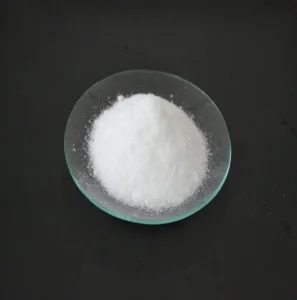
Precipitation & Catalyst


Specialty inorganic and functional synthetic precursors calibrated to rigorous ISO 9001 and SABS testing criteria for South African industrial processors.



A rigorous economic analysis covering supply elasticity, localized beneficiation mandates, and the shift toward zero-effluent manufacturing.
South Africa represents sub-Saharan Africa's preeminent chemicals corridor, anchored across the industrial epicenters of Gauteng, KwaZulu-Natal (Durban hub), and the Western Cape. Rising mineral processing demands across the Bushveld Complex have accelerated high-purity inorganic salt consumption. From barium-based precipitation agents in platinum group metal (PGM) refining circuits to phosphate additives neutralizing acidic mine drainage, South African operators face stringent Department of Mineral Resources and Energy (DMRE) water remediation regulations. Meanwhile, logistics shifts across Transnet rail networks require manufacturers capable of direct break-bulk and containerized seafreight docking smoothly into Durban Port with minimized transit lag.
The worldwide inorganic salts matrix is transitioning through aggressive consolidation. Decarbonization pressures in East Asia and environmental audits in Europe have constrained traditional thermal-route processing for barium, strontium, and phosphorus derivatives. Modern supply integrity demands direct vertical integration from raw ore digestion (such as barite and celestite) through advanced crystallization units. As energy volatility elevates ocean freight costs, procuring specification-certified inorganic compounds from large-scale synthesis centers guarantees price hedging, low trace heavy metal tolerances (<10 ppm Pb/As), and stable production planning for high-volume end-users globally.
Three core evolutionary drivers define contemporary inorganic chemical adoption. First, the mandate for high-purity grade salts (exceeding 99.0% assay) eliminates secondary down-stream separation costs in sensitive catalysis and electrochemical plating. Second, the rise of polymer modification—combining inorganic mineral fillers with functional liquid rubbers (such as ATBN and EPB)—has revolutionized wear linings inside abrasive slurries. Third, regulatory alignment with the UN Globally Harmonized System (GHS) and REACH-compliant dossiers ensures rapid customs clearance through SARS (South African Revenue Service), safeguarding project timelines against hazardous cargo detentions.
Comparative assessment matching specific inorganic grades and functional liquid elastomers to operational demands across Southern Africa's primary industries.
| Compound / Grade | Target Sector in SA | Operational Function | Technical Benchmark | Compliance & Packaging |
|---|---|---|---|---|
| Barium Acetate High Purity |
Catalysis, PGM Refining & Industrial Coatings | Precipitant for sulfate radical removal; high-reactivity catalyst precursor in chemical synthesis. | Assay ≥ 99.0%; Fe ≤ 0.001%; Water Insoluble ≤ 0.01% | 25kg UN-rated bags with PE inner liner; palletized & shrink-wrapped. |
| Strontium Acetate Hemihydrate Crystal |
Pyrotechnic Flares, Dental Desensitizing, Ceramics | Pure chromatic emitter for industrial safety signaling; stabilizing reagent in high-temp glaze synthesis. | Assay ≥ 99.0%; Ba ≤ 0.05%; Chloride ≤ 0.01% | Multi-ply moisture-barrier craft bags; custom bulk super-sacks. |
| Tricalcium Phosphate (TCP) Ultra-Fine Mineral |
Ceramic Manufacturing, Agro-Nutrient, Anti-Caking | Free-flow anti-caking agent for humid coastal regions; non-toxic phosphate donor in soil enrichment. | P2O5 Content ≥ 38.5%; Heavy Metals (as Pb) ≤ 10ppm; D50 < 5μm | Complies with food/pharma standards; 25kg vacuum-sealed packs. |
| EPB & ATBN Functional Elastomers |
Mining Slurry Pumps, Rubber Mill Liners & Adhesives | Impact toughening agent for epoxy matrices; prevents brittle cleavage under diamond-rock fracturing. | Viscosity: 20,000–80,000 mPa·s (25°C); Amine value: customized | 200L steel drums; ISO container loads for processing plants. |
Architecting sustainable, closed-loop hydrometallurgical protocols designed to withstand regional water-stress and volatile supply chains.
Replacing traditional open crystallization pans with controlled micro-fluidic reactors, narrowing particle size distribution (PSD) and eliminating occluded mother-liquor impurities.
Deploying specialized chelating resins to strip heavy metals (Pb, Cd, Hg, As) to below sub-parts-per-million levels, vital for South African potable water and pharmaceutical applications.
Treating hygroscopic salts with nano-scale silane/organic functional coatings to preserve zero-clump flowability during high-humidity marine freight journeys through equatorial shipping corridors.
Pioneering low-carbon hydrometallurgy that utilizes closed electrolytic precipitation, slashing chemical byproduct sludge and ensuring alignment with South Africa's Just Energy Transition mandates.
Original high-purity factory allocations. Complete technical data, batch COA, and immediate pricing tables ready for commercial procurement officers.





Clarifying trade tariffs, hazardous classification, ocean transit terms, and lab verification protocols.
Standard ocean voyages from our regional direct consolidation port to Durban (KwaZulu-Natal) typically span between 18 and 24 days on direct liner schedules. Cargo destined for inland distribution centers like Johannesburg or Pretoria (Gauteng) can be cleared via bonded cross-docking or road rail freight connections directly to local warehouses.
Each shipment is supported by an audit-ready compliance folder: GHS-standard Safety Data Sheets (SDS), authenticated Certificates of Analysis (COA) specifying trace metallic assays via ICP-MS, non-asbestos verification, fumigation certificates for wooden pallets, and accurate 6-to-8 digit HS Code classifications to facilitate streamlined clearing through the South African Revenue Service (SARS).
Yes. Utilizing dual-cyclone classification and specialized air-jet milling, we calibrate particle size distribution (PSD) down to customized micro-scale D50 metrics (e.g., 2–5 μm, 10–25 μm, or custom mesh distributions). Full Laser Diffraction analysis reports (Malvern Mastersizer 3000) are cataloged and provided with pre-shipment trial batches.
We implement a robust triple-barrier preservation protocol: heavy-gauge polyethylene inner liners with heat-sealed junctions, outer moisture-proof polypropylene woven sacks or UN-rated steel/fiber drums, and active food-grade desiccant cartridges installed throughout shipping containers to withstand tropical humidity fluctuations across the Indian Ocean.