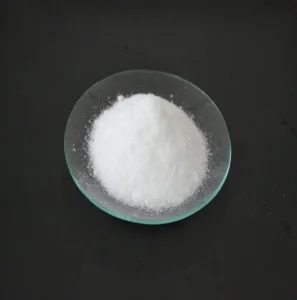
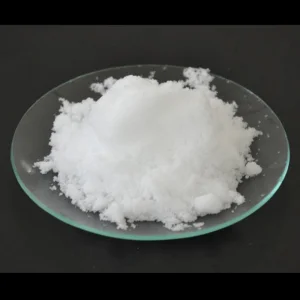
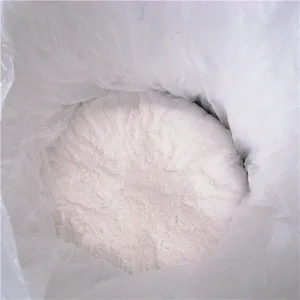
Full documentation ready: Batch COA, GHS-compliant SDS, particle morphology sizing, and international dangerous-goods transport clearance.
Tricalcium Phosphate (TCP, Ca₃(PO₄)₂, CAS No. 7758-87-4, EINECS 231-840-8) represents an indispensable inorganic compound exhibiting exceptional thermal stability, biocompatibility, and controlled mineral precipitation behavior across global supply lines.
CAS No. 7758-87-4 predominantly exists in two major polymorphs: low-temperature beta-TCP (β-Ca₃(PO₄)₂) and high-temperature alpha-TCP (α-Ca₃(PO₄)₂). The transition occurs at approximately 1125°C. In modern Chinese manufacturing hubs, phase purity is tightly regulated via automated calcination furnaces, providing tailored dissolution rates for specialty ceramics and synthetic biomaterials.
Global regulatory frameworks such as FCC, USP/EP, and European Food Additive standards (E341(iii)) impose rigid thresholds on toxic impurities. Leading Chinese manufacturing clusters implement double-stage wet-process acid neutralization, stripping heavy metals (Pb < 1 ppm, As < 1 ppm, Cd < 0.5 ppm) and suppressing fluoride content (< 10 ppm) to ensure clean-label compliance.
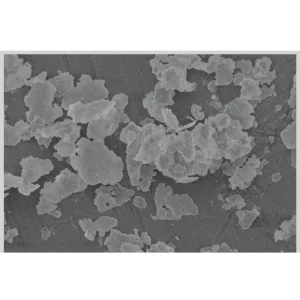
Advanced micronization technologies—including continuous air classifier milling and ultrasonic fluid-bed drying—enable producers to offer precise particle size distributions (D50 ranging from 2.5 µm to 45 µm). Controlled specific surface area (BET: 15–40 m²/g) directly optimizes anti-caking properties in hygroscopic powders and promotes uniform dispersion in polymer compounding.
Procurement executives operating in Europe, North America, Southeast Asia, and the Middle East are shifting from spot transactions to integrated value-chain audits to insulate their operations against upstream supply shocks.
Tier-1 procurement organizations require full visibility into energy consumption, water recycling protocols, and non-animal-derived raw material certification. European buyers enforce tight REACH registration data and dual-batch Certificate of Analysis (COA) cross-verifications by independent third parties such as SGS, Intertek, or Eurofins.
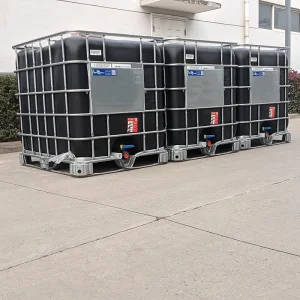
Supply chain shocks across maritime corridors have necessitated strategic buffer stocking. Buyers demand TCP grades treated with hydrophobic surface modifications or optimized packaging (polyethylene lined multi-wall kraft bags, hermetic FIBC bulk bags) to prevent moisture adsorption and caking during 60+ days of maritime transit through humid tropical waters.
Strategic purchasing demands price predictability. With fluctuations in phosphorus rock inputs and sulfuric acid feedstocks, Chinese manufacturers that integrate captive energy generation and direct rock-to-salt synthesis offer buyers stable quarterly index-pricing contracts, mitigating extreme market volatility.
China's chemical synthesis industry has evolved from raw volume output to intelligent, digitally governed manufacturing nodes capable of continuous in-line analysis, zero-emission loops, and automated logistics integration.
Modern Chinese TCP reactor arrays leverage automated DCS architectures governing stoichiometry, reaction pH, temperature ramp profiles, and precipitation time. Real-time turbidimetry sensors ensure narrow molecular weight distributions and eliminate batch-to-batch inconsistencies.
Sited strategically within major phosphate reserves (Hubei, Yunnan, Guizhou), these facilities eradicate intermediate logistics costs. Raw apatite ore is purified directly to thermal phosphoric acid and reacted with pharmaceutical-grade lime under ultra-low carbon footprints.
Equipped with automated guided vehicles (AGVs) and pallet moisture-barrier wrapping units, modern factories interface smoothly with international ports (Shanghai, Ningbo, Qingdao). Dedicated chemical export corridors guarantee rapid customs clearance and immediate vessel berthing.
CAS No. 7758-87-4 serves critical functions across diverse industries, from high-performance biomaterial scaffolds to ultra-pure polymer stabilizers.
High-purity β-TCP scaffolds act as resorbable osteoconductive bone graft substitutes. The controlled calcium-to-phosphorus atomic ratio (Ca/P ~1.50) closely mirrors physiological cancellous bone mineral chemistry.
In the production of expandable polystyrene (EPS) beads, ultra-fine TCP functions as a non-migrating inorganic dispersing stabilizer, ensuring uniform monomer droplet nucleation without contaminating downstream recyclability.
For hygroscopic inorganic salts, powdered fertilizers, dry detergents, and seasonings, TCP coats micro-crystals, lowering capillary forces between particles and ensuring free-flowing transfer in high-speed silo filling lines.
TCP serves as an essential fluxing and opacifying agent in high-voltage electro-porcelain and technical bone china, increasing flexural strength, thermal shock resistance, and aesthetic translucency under high-temperature vitrification.
| Analytical Parameter | Food / FCC Grade | Pharmaceutical / EP / USP | Technical / Ceramic Grade | Testing Protocol |
|---|---|---|---|---|
| Assay (as Ca) | 34.0% – 40.0% | 35.0% – 39.9% | ≥ 33.5% | Complexometric Titration |
| P₂O₅ Content | 41.0% – 45.0% | 42.0% – 44.5% | ≥ 40.0% | Spectrophotometry |
| Loss on Ignition (800°C) | ≤ 8.0% | ≤ 7.0% | ≤ 10.0% | Gravimetric Calcination |
| Heavy Metals (as Pb) | ≤ 2.0 ppm | ≤ 1.0 ppm | ≤ 15.0 ppm | ICP-MS / Hydride AAS |
| Particle Size (D50) | Custom (5–20 µm) | Micro-milled (2.5–10 µm) | Mesh 200–325 pass | Laser Diffraction (Malvern) |
| Phase Identity | Amorphous / β-TCP | High-purity β-TCP | Standard Calcium Phosphate | X-Ray Powder Diffraction (XRD) |
Addressing critical procurement inquiries, analytical validation standards, and regulatory nuances for CAS No. 7758-87-4 sourcing.
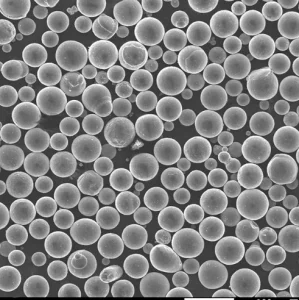
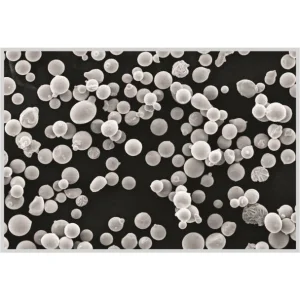
Complementary chemical additives, functional liquid rubbers, and atomized powders for specialized polymer engineering, gas systems, and metallurgy.