Explore our foundational range of precision-manufactured gases, high-grade nitrates, and specialized chemical compounds rigorously engineered for semiconductor, energetic, and industrial synthesis applications.


A rigorous examination into Chlorine Nitrate (ClONO2), reactive halogen-nitrogen dynamics, industrial reaction control, and the systemic advantages of Chinese specialized chemical infrastructure.
Chlorine Nitrate (molecular formula: ClONO₂, CAS Registry Number: 14545-72-3) represents one of the most chemically critical and reactive inorganic intermediates in halogen and nitrogen chemistry. Structurally composed of a chlorine atom bonded to an oxy-nitrate bridge, this volatile, pale-yellow liquid or low-boiling gas exhibits distinct electrophilic and oxidative properties. Widely recognized in atmospheric kinetics for its fundamental role as an inorganic reservoir species modulating stratospheric ozone equilibriums, Chlorine Nitrate has rapidly transformed into an indispensable specialized reagent for high-yield organic fluorination-chlorination cascades, selective nitration methodologies, specialized polymer cross-linking, and propellant oxidant formulations.
From an industrial chemistry perspective, commercial synthesis of Chlorine Nitrate demands an unprecedented degree of stoichiometric discipline, cryogenics, and passivated reaction kinetics. The predominant synthesis pathway relies on the reaction of chlorine monoxide (Cl₂O) with dinitrogen pentoxide (N₂O₅) at low temperatures: Cl₂O + N₂O₅ → 2 ClONO₂, or alternatively via the fluorination of metal nitrates using chlorine monofluoride precursors. Because ClONO₂ undergoes spontaneous, highly exothermic decomposition upon thermal escalation or uncontrolled contact with ambient moisture—yielding hypochlorous acid (HOCl) and nitric acid (HNO₃)—producers must possess world-class cryogenic containment, anhydro-inert processing protocols, and certified automated monitoring loops.
Reaction kinetics sustained under continuous sub-zero conditions (-40°C to -20°C) within fluoropolymer-lined and nickel-alloy passivated reactors, preventing exothermic halogen cleavage and stabilizing ClONO₂ batches at 99.5%+ assay purity.
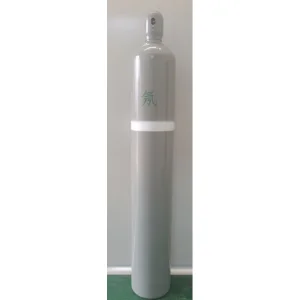
Every step of synthesis, purification via cryogenic vacuum distillation, and cylinder filling operates under hyper-pure argon blanket systems with moisture thresholds held strictly beneath 5 ppm, eliminating risk of parasitic hydrolysis.
Multi-stage analytical release verification including FTIR characterization, gas chromatography (GC), trace metal ICP-MS screening, accompanied by verifiable batch COA, SDS, and technical inspection profiles.
Dissecting the vertical upstream integration, raw chemical feedstock stability, and multi-modal logistics clusters powering industrial scalability and cost predictability.
China operates the world's most consolidated chlor-alkali and nitric acid networks. Direct on-site pipeline feeds of high-purity chlorine gas and concentrated nitrogen oxides avoid raw-material transport volatility, delivering unbeatable unit economics and uninterrupted batch scheduling.
By leveraging dedicated high-capacity continuous production loops, domestic fabrication of specialized Hastelloy/PTFE reactors, and advanced energy co-generation, Chinese manufacturers offer scalable capacity at 25–40% lower Capex compared to Western boutique laboratories.
Certified hazardous chemical production parks equipped with complete maritime export berths (Tianjin, Qingdao, Shanghai, Ningbo). Integrated processing of Maritime Dangerous Goods declarations (IMDG Code, Class 5.1/8), custom UN-rated cryogenic pressure cylinders, and seamless port customs dispatch.
| Analytical Parameter | Standard Commercial Grade | Electronic / High-Purity Grade | Testing Method Reference |
|---|---|---|---|
| Assay (ClONO₂) | ≥ 98.0% w/w | ≥ 99.5% - 99.9% w/w | Cryogenic Gas Chromatography (GC-TCD) |
| Free Halogen Impurities (Cl₂) | ≤ 1.2% | ≤ 0.05% (500 ppm) | UV-Vis Spectrophotometry / Selective Scavenging |
| Dinitrogen Pentoxide (N₂O₅) | ≤ 0.5% | ≤ 0.02% (200 ppm) | FTIR Absorptivity Profile |
| Moisture Content (H₂O) | ≤ 50 ppm | ≤ 5.0 ppm | Karl Fischer Coulometric / Laser Hygrometer |
| Trace Transition Metals (Fe, Cu, Ni) | ≤ 10 ppm | < 0.1 ppm | ICP-MS Inductively Coupled Plasma Mass Spectrometry |
| Vapor Phase Stability (-20°C) | > 60 Days Sealed | > 180 Days Sealed | Thermal Decomposition Pressure Monitoring |
Addressing the critical engineering, legal, and operational protocols expected by chemical procurement directors across North America, Europe, East Asia, and the Middle East.
Navigating cross-border regulatory frameworks with complete dossiers: EU REACH Only Representative (OR) support, US TSCA chemical substance inventory compliance, and localized bilingual SDS documentation reflecting accurate GHS hazard classifications (Oxidizing Agent, Corrosive, Acute Toxic).
ClONO₂ transport demands continuous cold-chain management below -20°C. We implement UN-specification vacuum-insulated cryogenic vessels and dry-ice refrigerated container units fitted with active IoT GPS tracking, shock loggers, and real-time internal temperature/pressure telemetry.
Safe trans-filling and dosing require specialized know-how. We deliver technical operating standard procedures (SOPs), specialized valve coupling interfaces (CGA/DIN/JIS connections), inert purging advice, and custom neutralization/scrubbing guidelines for client receiving facilities.
From atmospheric scientific observation to next-generation organohalogen synthesis and clean microelectronics processing.
In ultra-deep submicron plasma etching, trace halogenated nitrates are increasingly investigated as dual-action passivation-oxidation precursors to prevent lateral feature undercutting in 3D NAND and GAA transistor architectures.
Functioning as an exceptionally selective electrophilic chlorinating and nitrating compound, Chlorine Nitrate enables one-pot regioselective additions across strained alkene rings without necessitating toxic secondary halogen catalysts.
Supplied as an analytical calibration standard gas mixture for international atmospheric observation stations, planetary research labs, and high-altitude airborne mass spectrometers studying stratospheric ozone chemistry.
Concise, authoritative answers covering quality verification, safe transport classification, handling guidelines, and minimum order requirements.
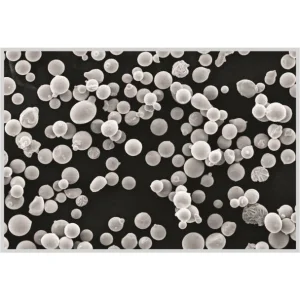
Complementary engineering chemicals, atomized metal powders, and high-performance synthetic rubbers available with batch-certified quality control and worldwide delivery.