Explore representative catalog products engineered for severe operational environments, advanced polymer polymerization, and critical chemical manufacturing pipelines.
A comprehensive examination of supply resilience, catalytic synthetic routes, and macroeconomic demand drivers reshaping hydrazine hydrate markets.
Mainland Chinese manufacturers contribute over two-thirds of worldwide merchant hydrazine hydrate output.
Driven by surging high-efficiency power generation feedwater demands and specialty polymer foaming agents.
Stringent purity standards required by nuclear-grade and supercritical thermal steam turbines.
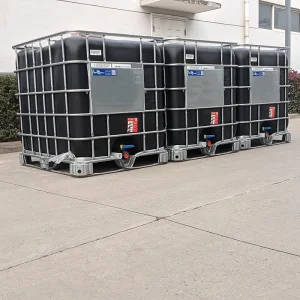
UN Class 8 (Corrosive) and Sub-risk 6.1 (Toxic) compliant ISO tanks and HDPE composite drums.
Over the last decade, strict environmental compliance mandates in Western Europe and North America led to rationalization of classic Raschig-process plants. China emerged as the central pillar of international supply through massive capital investment in closed-loop, low-emission methyl ethyl ketone (MEK-azine) oxidation units, securing long-term supply stability for international downstream manufacturers.
Modern Chinese operations prioritize the MEK-azine or hydrogen peroxide (H2O2) catalytic oxidation pathways. Unlike older chlorine-intensive urea oxidation routes, azine synthesis drastically reduces hypersaline wastewater outputs, recovers intermediate ketones quantitatively, and delivers a superior product free of heavy salt contamination, essential for precision pharmaceutical synthesis.
Demands from microelectronics, advanced aerospace propellants, and high-pressure supercritical boilers have moved beyond basic technical assays. Global engineering teams specify tighter thresholds for trace chloride, sulfate, iron (Fe), and non-volatile residues (NVR), necessitating multi-stage vacuum fractional distillation in stainless-steel (316L) or nickel-clad plant equipment.
Understanding how industrial clustering, vertical feedstock integration, and scale economics enable Chinese factories to maintain unrivaled cost-competitiveness and continuous delivery assurance.
Leading Chinese chemical factories are sited inside world-class chemical industrial parks with direct pipeline access to upstream anhydrous ammonia, chlorine, sodium hypochlorite, and hydrogen peroxide. This boundary-fence proximity eliminates domestic hazardous intermediate transport overhead, stabilizes synthetic throughput, and cushions export buyers from volatile spot-market fluctuations.
Continuous closed-loop distillation systems governed by modern Distributed Control Systems (DCS) monitor exothermic temperatures, reflux ratios, and azine hydrolysis reaction rates in real time. This continuous instrumentation minimizes human intervention, eliminates batch-to-batch concentration drift, and guarantees narrow standard deviation across critical commercial concentrations (24%, 35%, 55%, 64%, 80%, and 100%).
To ensure non-disruptive continuous manufacturing operations under severe green regulation, Chinese production facilities deploy state-of-the-art biological denitrification systems, thermal oxidizers for volatile organic compounds (VOCs), and automated brine recovery infrastructure, offering stable multi-year contract reliability for tier-one global chemical purchasers.
| Commercial Grade | Hydrazine Hydrate (N2H4·H2O) | Free Hydrazine (N2H4) | Iron (Fe) Content | Chloride (Cl-) Content | Non-Volatile Residue | Primary Industrial Use |
|---|---|---|---|---|---|---|
| HH-100% Super Grade | ≥ 100.0% | ≥ 64.0% | ≤ 0.0001% (1 ppm) | ≤ 0.0005% | ≤ 0.005% | Pharma API intermediates, Fine chemical synthesis |
| HH-80% Precision Grade | ≥ 80.0% | ≥ 51.2% | ≤ 0.0003% (3 ppm) | ≤ 0.0010% | ≤ 0.010% | ADC Foaming agents, Agrochemical synthesis |
| HH-64% Boiler Grade | ≥ 64.0% | ≥ 40.9% | ≤ 0.0005% (5 ppm) | ≤ 0.0030% | ≤ 0.015% | Thermal power plants, Supercritical boiler scavengers |
| HH-55% Industrial Grade | ≥ 55.0% | ≥ 35.2% | ≤ 0.0008% (8 ppm) | ≤ 0.0050% | ≤ 0.020% | Industrial water treatment, Metal processing reduction |
| HH-35% Low Hazard | ≥ 35.0% | ≥ 22.4% | ≤ 0.0010% (10 ppm) | ≤ 0.0080% | ≤ 0.030% | District cooling & heating, Closed loop circulation |
From zero-solids boiler oxygen elimination to complex organic syntheses, explore the thermodynamic and chemical behaviors of hydrazine hydrate aqueous solutions.
Hydrazine functions as an all-volatile, non-solid-producing oxygen scavenger via the reaction: N2H4 + O2 → N2 + 2H2O. Unlike sodium sulfite (which contributes dissolved mineral solids that elevate boiler blowdown requirements), hydrazine generates only harmless atmospheric nitrogen gas and water, while simultaneously passivating internal pipe steels into protective magnetite (Fe3O4) films under operating temperatures exceeding 200°C.
Hydrazine hydrate is a primary bifunctional building block for heterocyclic chemistry. It acts as an indispensable diamine precursor in synthesizing triazole, pyridazine, pyrazole, and thiadiazole chemistries. These heterocyclic rings form the foundational active scaffolds in broad-spectrum fungicides (such as triadimefon and tebuconazole) and high-potency systemic herbicides used globally.
The plastics and rubber industries consume extensive volumes of hydrazine hydrate for producing azodicarbonamide (ADC/AC blowing agent), azobisisobutyronitrile (AIBN), and sulfonyl hydrazides. Controlled thermal decomposition of these derivatives releases fine, uniform nitrogen micro-bubbles, forming uniform closed-cell structures in EVA foam sheets, PVC insulation profiles, and polyolefin cushioning.
In pharmaceutical manufacturing, hydrazine hydrate serves as an essential nucleophile in the synthesis of antitubercular drugs (such as Isoniazid), central nervous system compounds, and antihypertensives. In electronics metallurgy, its potent, clean reduction potential enables electroless plating of nickel, copper, and noble metals on semiconductor silicon and dielectric ceramic packaging substrates.
Evaluating total landed cost vectors, regulatory containment compliance, and forward chemical consumption curves across global commercial hubs.
Hydrazine hydrate aqueous solutions containing >37% and ≤64% active substance are classified internationally under UN 2030 (Class 8 Corrosive, Subsidiary Risk 6.1 Toxic, Packing Group II). Professional procurement managers must partner with vetted export producers who maintain compliant UN-rated drums, specialized stainless-steel ISO tank containers, GHS labels, and IMDG/IATA maritime shipping documentation to prevent customs impoundment.
Under European Union REACH, hydrazine is categorized as a Substance of Very High Concern (SVHC) due to its carcinogenic and sensitizing properties. Consequently, European industrial uptake hinges upon demonstrating "strictly controlled conditions" as an isolated intermediate under Article 18(4). Buyers require manufacturers that supply complete exposure scenario data sheets and traceable batch impurity analyses.
Industry research is focusing on micro-encapsulated hydrazinium formulations, stabilized diluted aqueous mixtures (e.g., 24% – 35%) that mitigate vapor inhalation hazards, and closed-loop quick-connect delivery packaging. Concurrently, clean fuel cell research exploring direct liquid hydrazine-hydrate fuel cells (DHFC) reveals potential zero-carbon high-density energy vector utility for niche industrial applications.
Expert answers addressing chemistry parameters, safe storage handling, transportation protocols, and batch verification requirements.
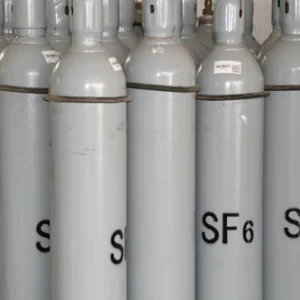
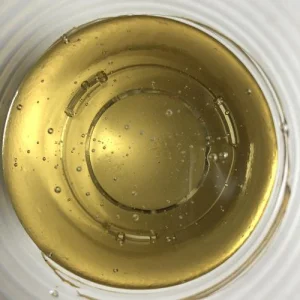
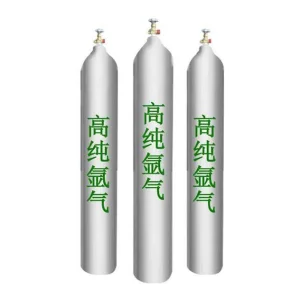
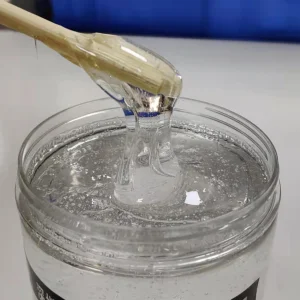
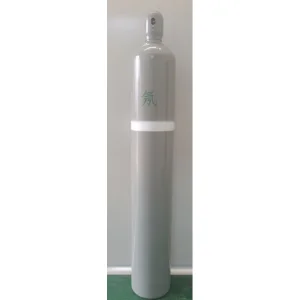
Precision-milled metal alloys, high-performance liquid synthetic rubbers, and certified specialty gases engineered to support critical manufacturing and research requirements.