Industrial-Grade Chemical Infrastructure, High-Purity Alkaline Precursors, and Global Technical Material Distribution.
Immediate sourcing options for fluorinated specialty gases, elastomers, liquid modifiers, and fine inorganic salts manufactured under certified ISO 9001 quality standards.
Strategic evaluation of primary inorganic chemical foundations, commodity pricing dynamics, chlor-alkali cell balance, and downstream demand chains.
Sodium Hydroxide (Caustic Soda, NaOH) operates as a co-product of chlorine via modern membrane cell electrolysis. Factory wholesale pricing structures are inextricably tied to energy benchmarks and the chlorine consumption index across PVC and vinyl polymer chains.
Produced by neutralising nitric acid with anhydrous ammonia (NH3 + HNO3 → NH4NO3), our manufacturing lines balance agricultural granular fertilizer needs with technical porous prill (PPAN) production optimized for controlled emulsion blasting and civil mining infrastructure.
Our index-based pricelist relies on FOB/CIF formula pricing mapped against ammonia natural gas feedstocks and chlor-alkali power overheads. Long-term off-take agreements benefit from hedge instruments, seasonal demand mitigation, and standardized volumetric discount tiers.
Standardizing technical requirements across caustic alkali flakes, liquid lye, high-density AN prills, and specialized industrial intermediates.
Factory outputs require rigorous quality control: Sodium Hydroxide 99% solid flake, pearl, and 50% membrane solution alongside Ammonium Nitrate (technical porosity >12%, anti-caking coatings). Every batch is audited via ICP-OES and titration tests to verify strict limits on NaCl, Na2CO3, and iron heavy metals.
Enterprises operating across North America, Latin America, EMEA, and APAC gain from our digital order infrastructure. Real-time telemetry monitoring inside dangerous goods ISO tanks and container vessels ensures temperature-stable transits without crystallization or prill attrition.
Our facilities provide seamless IMDG Class 5.1 (Ammonium Nitrate UN 1942 / UN 0222) and Class 8 (Sodium Hydroxide Solid UN 1823, Solution UN 1824) packing compliance. Full export customs coordination, sea freight stowage planning, and destination-port terminal permits are secured end-to-end.
| Chemical Identity | CAS Registry | Assay Specifications | Primary Commercial Form | Key Industrial Function |
|---|---|---|---|---|
| Sodium Hydroxide (Caustic Soda) | 1310-73-2 | ≥ 99.0% (Solid) / 50% (Liquid) | Flakes, Pearls, Liquid Membrane Lye | pH Regulation, Chemical Synthesis, Alumina Refining, Saponification |
| Ammonium Nitrate (Technical PPAN) | 6484-52-2 | ≥ 99.2% (Dry Basis), N ≥ 34.6% | Low-Density Porous Prills, Granular | Civil Blasting Emulsions, Pyrotechnics, Fertilizer Masterbatches |
| Aluminum Nitrate Nonahydrate | 7784-27-2 | ≥ 98.5% Base Purity | Crystalline Powder | Catalyst Support Synthesis, Textile Mordant, Nuclear Extraction |
| Lithium Nitrate Technical Grade | 7790-69-4 | ≥ 99.0% Base Purity | White Deliquescent Crystal | Heat Transfer Salts, Corrosion Inhibition in Concrete, Pyrotechnics |
Addressing environmental imperatives, electrification of chlor-alkali reactors, low-carbon green ammonia synthesizers, and closed-loop effluent recycling.
Our partner facilities are transitioning to water-electrolysis green hydrogen to power the Haber-Bosch ammonia cycle. The resultant low-carbon ammonium nitrate drops embedded Scope 3 greenhouse emissions by up to 65% across mining operations and fertilizer programs.
Next-generation zero-gap membrane electrolyzers reduce unit electrical consumption below 2,000 kWh per ton of caustic soda produced. This process eliminates mercury and asbestos residues while guaranteeing ultra-low chloride contamination in concentrated NaOH solutions.
In compliance with global security initiatives, Ammonium Nitrate factories integrate real-time batch trace markers and micro-prill integrity scanners. These safety controls prevent unintended detonation risks during ocean logistics and high-humidity warehouse storage.
YANXA provides specification-driven execution backed by ISO 9001 quality audits, GHS SDS documentation, and full customs compliance across target ports.
Every shipment includes an authentic batch Certificate of Analysis (COA), fully audited 16-section GHS Safety Data Sheets (SDS), Technical Data Sheets (TDS), packing declarations, and verified certificates of origin (COO) customized for regional customs clearance.
Caustic soda is secured in hermetically sealed 25kg PE/PP laminated woven bags, heavy-duty steel drums, or temperature-monitored bulk containers. Ammonium Nitrate prills are protected with moisture-barrier liner bags to eliminate ambient humidity ingress during maritime transit.
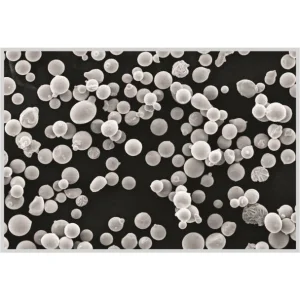
Technical accounts receive hands-on oversight from senior industrial chemists. Whether optimizing particle morphology for thermal spray powders or balancing alkali dilution kinetics in wastewater reactors, our engineering team ensures direct specification alignment.
Essential details regarding bulk orders, dangerous goods shipping protocols, customized grain sizing, and quality control tolerances.
Explore our full industrial portfolio, including atomized metal powders, functional polymers, rare gases, and high-purity inorganic nitrates.