


Specification-matched liquid rubber, functional macromolecular monomers, and critical synthesis reagents direct from verified manufacturing facilities with full batch verification.
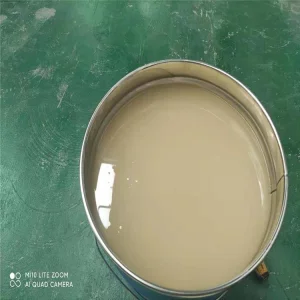





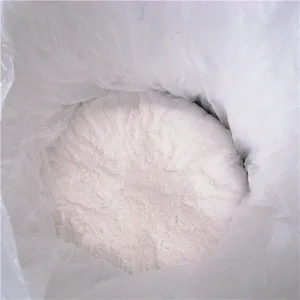

The contemporary tooling and molding sector is navigating a major technological shift. Driven by precision casting requirements in aerospace composites, architectural concrete, polyurethane RIM tooling, and electronic encapsulation, industrial procurement teams require liquid elastomer precursors that deliver micron-level dimensional stability, exceptional tear propagation resistance, and tailored rheological flow profiles.
Liquid polybutadiene-based rubbers (such as Hydroxyl-Terminated Polybutadiene [HTPB] and Hydroxyl-Terminated Butadiene-Styrene [HTBS]) offer distinct cross-linking behavior when reacted with diisocyanates (such as MDI, TDI, or DDI). The molecular backbone provides intrinsic hydrophobicity, unmatched low-temperature flexibility (Tg < -70°C), and resistance to hydrolytic breakdown, making them superior to standard polyether and polyester polyols in severe casting environments.
High-performance mold rubbers must capture textures down to the sub-micron scale while demonstrating negligible linear shrinkage (<0.05%). Maleic Anhydride Grafted Polybutadiene (MLPB) acts as a powerful reactive coupling modifier, improving surface energy, polarity balance, and internal release kinetics when working with abrasive polyurethane resins, epoxies, and gypsum-modified concrete slurries.
Continuous casting operations subject elastomer molds to severe exotherms from setting resins (frequently exceeding 110°C) and aggressive solvent migration. Hydroxyl-terminated formulations engineered by Yanxatech System Industries Limited maintain structural modulus and elastic recovery across thousands of duty cycles without surface chalking, embrittlement, or loss of edge definition.
Evaluating thermodynamic performance, elongation properties, and chemical resilience across modern elastomeric prepolymer systems.
| Polymer Classification | Typical Hydroxyl Value (mmol/g) | Viscosity @ 30°C (mPa·s) | Elongation at Break (%) | Primary Industrial Use Cases | Chemical Resistance Factor |
|---|---|---|---|---|---|
| HTPB (Medium Vinyl) | 0.75 – 0.90 | 4,500 – 6,500 | 450% – 600% | Heavy-duty concrete casting, aerospace tooling, dynamic dampers | Exceptional (Hydrophobic / Acids) |
| HTBS (Butadiene-Styrene) | 0.60 – 0.85 | 6,000 – 9,000 | 350% – 500% | High-wear industrial molding, polyurethane RIM master molds | High (Aromatic / Alkaline) |
| MLPB (Maleic Grafted) | Acid Val: 10 – 40 mg KOH/g | 7,000 – 15,000 | 280% – 420% | Adhesion enhancement, composite mold backing, rubber-metal bonding | High (Thermal Degradation) |
| Specialty Polyether (PET) | 0.50 – 0.70 | 2,000 – 4,000 | 600% – 800% | Ultra-flexible micro-detail silicone-alternative molds, architectural stone | Moderate (Solvent sensitive) |
| Liquid SBR (LSBR) | 0.30 – 0.55 | 8,000 – 18,000 | 300% – 480% | Tyre master tooling, abrasion-resistant lining, high-impact casting | Very High (Mechanical Abrasion) |
Prepolymer viscosity and functional hydroxyl values can be adjusted within narrow batch tolerances during polymerization. For customized potting, curing speeds with isocyanate curative systems (such as polymeric MDI or isophorone diisocyanate IPDI), or low-temperature potting compounds, YANXA provides verified stoichiometric calculation sheets and batch Certificate of Analysis (COA) prior to container loading.
Addressing supply chain fragility, variable atmospheric moisture curing interference, and regulatory compliance through institutional manufacturing practices.
High alkaline contact and cyclic mechanical abrasion from wet cementitious mortars cause conventional polyurethanes to crack and standard latex to soften. Liquid rubbers modified with medium vinyl polybutadiene resist lime leachates and preserve wood-grain, geometric, and sculptural textures across high-throughput production cycles.
Reaction Injection Molding (RIM) with polyurethane and epoxy formulations generates aggressive chemical vapors and exotherms. Hydroxyl-terminated liquid polymers yield dense cross-linked networks that resist swelling, eliminating mold dilation and guaranteeing part tolerances within ±0.1mm throughout batch runs.
Liquid rubber systems must balance low moisture absorption, high breakdown voltage (>20 kV/mm), and trace halogen purity. Combined with our high-purity inert gases (such as ultra-pure Argon for de-aeration blankets), our liquid polymers prevent internal voiding and micro-arcing in high-voltage transformer molds.
We partner directly with multinational compounding plants to tailor chain molecular weight (Mn 2,000 – 10,000), plasticizer compatibility, and vulcanization kinetics. From 200L steel drums to 20-ton ISO tanks, every delivery is packaged with certified nitrogen blankets to prevent moisture-induced premature dimerization.
Navigating global chemical commerce requires strict adherence to international safety protocols, hazardous classification standards, and transparent document traceability.
Every export shipment of liquid rubber, specialty additives, or inorganic catalysts is supplied with multi-language GHS-compliant Safety Data Sheets (16 sections), comprehensive Technical Data Sheets (TDS), and pre-tested batch Certificates of Analysis (COA) specifying hydroxyl values, moisture content (<0.05%), and viscosity.
Whether coordinating non-hazardous liquid polybutadienes, flammable alloy powders, or compressed specialty gases (such as SF6 and CF4), our export team operates under verified IMDG, IATA, and ADR frameworks. We employ UN-approved drums, heavy-gauge IBCs, and ISO tanks featuring moisture-barrier nitrogen positive pressures.
With strategic container yard routing through major maritime hubs including Qingdao, Shanghai, and Tianjin, YANXA ensures reduced transit lead times to European, North American, Middle Eastern, and Southeast Asian distribution hubs, insulating clients from maritime logistical bottlenecks.
Advancing our polymer formulations toward bio-derived precursors, reduced VOC signatures, and ultra-high dynamic fatigue resistance.
Elimination of processing volatile extenders and low-boiling petrochemical plasticizers. Delivering pure polymer solids (100% active substance) with room temperature pourability and rapid degassing behavior, reducing air bubble entrapment in intricate negative master molds.
Integrating reactive methacrylate and silane end-cappings onto butadiene prepolymers. This technology accelerates surface skinning within minutes under UV illumination, followed by deep shadow moisture vulcanization for high-throughput automated mold fabrication.
Transitioning toward sustainable, bio-based butadiene monomers derived from non-food agricultural biomass. Achieving full cradle-to-gate carbon-neutral lifecycle footprints for industrial mold elastomers while matching the strict mechanical specifications of prime petrochemical grades.
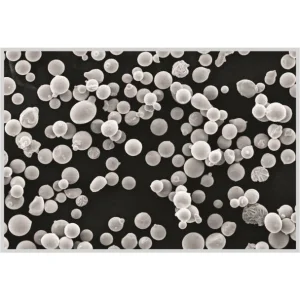
Expand your manufacturing inventory with tested industrial raw materials, spherical alloy powders, and specialty gases shipped with full technical documentation.







Direct answers to the most common queries regarding polymer specification matching, minimum order quantities, testing standards, and logistics.
