
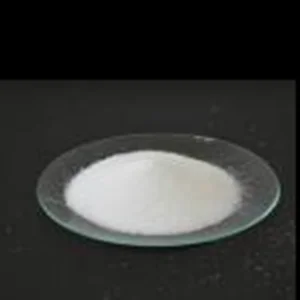
High Purity Strontium Acetate Hemihydrate for Catalysts & Pyrotechnic Systems
Wholesale Strontium Acetate hemihydrate Manufacturer, Quotes


YANXA's core specialty line inspected under ISO 9001 frameworks, featuring batch COA verification and export-compliant hazardous packaging systems.
High Purity Strontium Acetate Hemihydrate for Catalysts & Pyrotechnic Systems
Wholesale Strontium Acetate hemihydrate Manufacturer, Quotes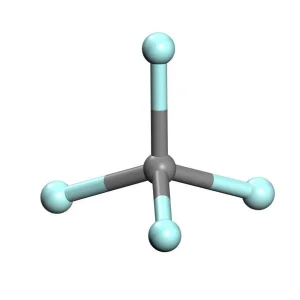
Electronic 5N Purity Carbon Tetrafluoride (CF4) for Semiconductor Etching
China Carbon Tetrafluoride Factory, Pricelist
Functional Liquid Styrene Butadiene Rubber (LSBR) for High-Tack Adhesives
China Liquid Styrene Butadiene Rubber (LSBR) Manufacturers, Pricelist
Anti-Corrosive Flake Zn-Al Alloy Powder for Dacromet & Protective Coatings
Wholesale Flake Zn-AI Alloy Powder Supplier, Suppliers
Elastomeric Hydroxyl Terminated Butyronitrile Rubber (HTBN) Binder Matrix
Wholesale Liquid Rubber-Hydroxyl Terminated butyronitrile Rubber (HTBN) Supplier, Factories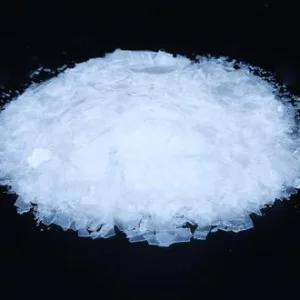
Multi-Grade Polyethylene Glycol (PEG 200 - 6000) for Pharma & Polymer Production
China Polyethylene Glycol Factories, Quotes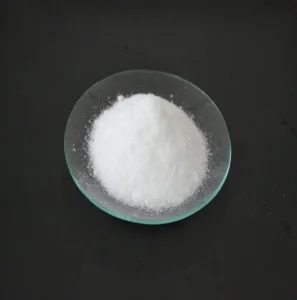
Reagent Grade Anhydrous / Hydrated Barium Acetate for Textile Mordants
China Barium Acetate Supplier, Factories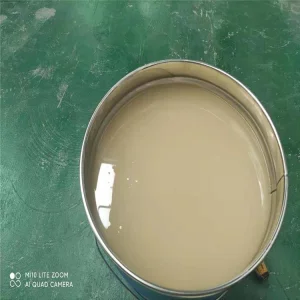
Engineered Specialty Polyether - Medium MW PET Polyether for Polyurethane Foams
China Specialty polyether - medium molecular weight PET polyether Supplier, SuppliersPolyethylene Glycol 600 (CAS: 25322-68-3) is a linear polyether diol synthesized through the controlled addition polymerization of ethylene oxide to monoethylene glycol or diethylene glycol under precise basic catalytic conditions. This white paper reviews its rheological metrics, procurement pricing bands, and structural benefits across demanding process streams.
Unlike lower oligomers (PEG 200/400) which remain entirely liquid at room temperatures, and higher homologs (PEG 1000+) which solidify into hard waxy flakes, PEG 600 occupies the critical transition window. At ambient temperatures above 25°C, it exhibits high-clarity Newtonian liquid dynamics, transitioning to a soft paste below 20°C. This unique property makes it the premier plasticizing vehicle in specialty lubricants and paste matrices.
Equipped with a dense backbone of recurring oxyethylene repeating units [-(CH2-CH2-O)n-], PEG 600 delivers extreme water-binding capacity and hygroscopicity. It acts as an active moisture sink in textile finishing formulations, prevents drying in waterborne ink systems, and acts as a neutral non-volatile solvent in reactive polyurethane polymer architectures.
With verified non-mutagenic, non-irritating characteristics and near-zero volatility (Flash Point > 245°C), our high-purity Polyethylene Glycol 600 passes stringent limits for residual ethylene oxide (< 1 ppm), 1,4-dioxane (< 1 ppm), and heavy metal traces (< 5 ppm). This makes it entirely safe for downstream processing into USP/EP grade pharmaceutical excipients, topical formulations, and cosmetics.
Direct procurement pricing from our modern alkoxylation production base. Commercial quotes reflect raw ethylene oxide market values and contract volume tiering.
| Analytical Parameter | Test Standard / Method | Industrial Coating Grade | Pharma / Cosmetic Grade |
|---|---|---|---|
| Appearance (25°C) | Visual Inspection | Colorless to light yellow viscous liquid | Clear, colorless viscous liquid / paste |
| Color (Pt-Co / Hazen) | GB/T 3143 / ASTM D1209 | ≤ 50 | ≤ 15 |
| Hydroxyl Value (mg KOH/g) | ASTM D4274 | 175.0 – 200.0 | 178.0 – 197.0 |
| Average Molecular Weight | Calculated via OHV | 560 – 640 | 570 – 630 |
| Kinematic Viscosity (40°C, mm²/s) | GB/T 265 / ASTM D445 | 55.0 – 70.0 | 60.0 – 68.0 |
| Moisture Content (% w/w) | Karl Fischer Titration | ≤ 0.50% | ≤ 0.15% |
| pH Value (5% Aqueous, 25°C) | Potentiometric (ISO 4316) | 5.0 – 7.0 | 5.0 – 7.0 |
| Residue on Ignition (Ash, %) | Gravimetric / USP ⟨281⟩ | ≤ 0.1% | ≤ 0.05% |
| 1,4-Dioxane / Ethylene Oxide | Headspace GC-MS | Not specified | ≤ 1 ppm (Each) |
$1,480 - $1,620 / Metric Ton
$1,320 - $1,420 / Metric Ton
$1,180 - $1,280 / Metric Ton
Evaluating technical utility across global manufacturing clusters, localized regulatory profiles, and application formulations.
Within the automotive seat foaming and cast elastomer plants across North America and Europe, PEG 600 functions as a hydrophilic diol chain extender. It imparts flexible chain mobility, optimizes phase separation between hard and soft segments, and provides tailor-made anti-fogging and water-vapor transmission capabilities to synthetic leather and specialty microporous polyurethane membranes.
In high-speed CNC milling and stamping operations throughout Japanese and German machine tool hubs, pure mineral oils are restricted due to VOC and fire risks. PEG 600 is formulated into water-soluble, synthetic metal cutting fluids. It exhibits exceptional boundary film lubrication, minimizes thermal degradation under heavy tool friction, and produces residue that washes clean in post-machining water rinses.
In localized pharmaceutical plants across India and Latin America, PEG 600 serves as a co-solvent and bio-absorption enhancer for water-insoluble Active Pharmaceutical Ingredients (APIs). When blended with PEG 4000, it regulates dissolution rates in soft gelatin capsules and solid suppositories, maintaining zero physiological tissue toxicity and zero immune-sensitizing side effects.
Within Southeast Asian textile mills (Vietnam, Bangladesh), yarn friction causes thread severance on automated high-speed weaving looms. Formulations containing PEG 600 impart antistatic dissipation, suppress yarn fly, and lubricate synthetic fibers (polyester, nylon). Its complete water dispersibility eliminates harsh degreasing baths during pre-dyeing operations.
In modern PCB and microelectronic component fabrication, PEG 600 serves as a suppressor additive in acid copper plating electrodeposition baths. It adsorbs selectively to high-current-density peaks on via holes, ensuring planar copper filling across semiconductor interconnect architectures without micro-void entrapment.
YANXA's manufacturing facility integrates continuous petrochemical feedstocks, state-of-the-art alkoxylation reactors, and direct ocean port corridors to safeguard procurement continuity against raw material volatility.
Our plants are situated inside first-tier national petrochemical parks with dedicated pipeline access to ethylene oxide (EO) and purified monoethylene glycol (MEG). This vertical integration insulates our production lines from spot logistics premiums, guaranteeing non-stop output schedules even during seasonal raw material curtailments.
We deploy loop ethoxylation technology coupled with Emerson DeltaV DCS automated controls. By managing the exotherm of the oxirane addition within 0.5°C tolerances, we maintain a tight polydispersity index (Mw/Mn ≤ 1.07), ensuring absolute viscosity repeatability across multi-thousand-ton deliveries.
Located within short drayage distance of Qingdao and Shanghai ocean ports, our dedicated loading racks handle heated ISO tank containers, nitrogen-blanketed IBC totes, and heavy-gauge steel drums with internal epoxy linings, preventing moisture absorption during long transoceanic maritime transits.
Global polyether chemistry is evolving toward lower carbon intensity, narrower molecular weight distributions, and green catalytic processes. Explore our engineering milestones.
To support global Net-Zero carbon goals, YANXA's technical roadmap includes the validation of bio-derived ethylene oxide produced via bio-ethanol dehydration. This process generates drop-in bio-based Polyethylene Glycol 600 with an identical CAS identifier and technical performance, reducing upstream Scope 3 carbon intensity by more than 40%.
Conventional base catalysts (KOH/NaOH) leave trace residual ash requiring post-synthesis acid neutralization and salt filtration. YANXA is engineering continuous DMC catalyst platforms that operate at high turnover frequencies, virtually eliminating residual potassium/sodium ions and lowering ash content to below 10 ppm for electronic and optical formulations.
Integrating in-line Near-Infrared (NIR) probes directly into our continuous finishing circuits enables real-time, automated tracking of hydroxyl values and moisture content during polymerization. This feedback control loop eliminates human testing delays and prevents out-of-spec blending, establishing unmatched lot-to-lot consistency.
YANXA eliminates regulatory and border clearance risks through comprehensive documentation suites, proactive registration renewals, and international trade governance.
Polyethylene Glycol 600 polymer imports into Europe require compliance from designated Only Representatives (OR). YANXA maintains full EU REACH active dossiers and UK REACH notifications, enabling seamless commercial clearance for downstream distributors and OEM blenders throughout the EU single market and the UK.
Our PEG 600 polymer is certified on the US Toxic Substances Control Act (TSCA) Active Inventory. For food contact and oral or topical excipient formulations, our specialized high-purity grades comply with FDA 21 CFR 178.3750, US Pharmacopeia (USP-NF), and European Pharmacopoeia (Ph. Eur.) compendial standards.
Our compliance engineers maintain comprehensive inventory listings across key APAC regional authorities, including China (IECSC), Japan (ENCS/ISHL), South Korea (K-REACH), Australia (AIIC), and the Philippines (PICCS), expediting customs declarations across all Asian manufacturing destinations.
Key inquiries addressed by our technical sales engineers, chemical formulation specialists, and international shipping coordinators.
Browse our extended portfolio of specialty gases, liquid synthetic elastomers, and high-purity inorganic metal salts produced across our industrial facilities.

5N - 6N Ultra-Pure Compressed & Liquid Nitrogen (N2) for Inert Blanketing
Wholesale Pure nitrogen,High pure nitrogen,Ultra-pure nitrogen (N2) Supplier, Factories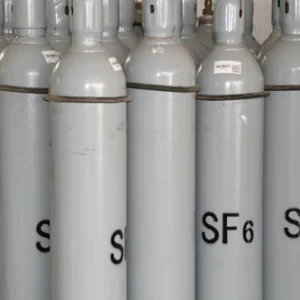
Dielectric Insulating Gas Grade Sulfur Hexafluoride (SF6) for HV Switchgear
China Sulfur Hexafluoride Manufacturers, Supplier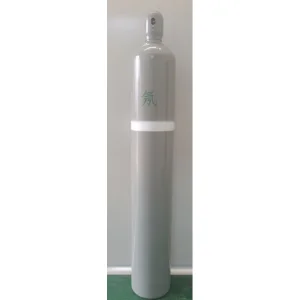
Excimer Laser Grade High Purity Neon Gas (Ne: 5N, 5.5N, 6N) for Lithography
China Pure neon & High purity neon (Ne: 5N, 5.5N, 6N) Supplier, Suppliers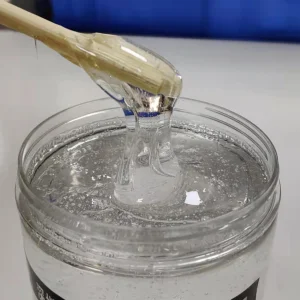
Impact Modifier Carboxyl Terminated Nitrile Butadiene Rubber (CTBN)
Wholesale Liquid Rubber - Carboxyl Terminated Nitrile Butadiene Rubber (CTBN) Manufacturers, Suppliers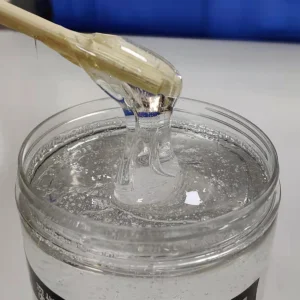
Curable Synthetic Random Carboxy Nitrile Butadiene Rubber (L-XNBR)
China Liquid Rubber-Random Carboxy Nitrile Butadiene Rubber (L-XNBR) Supplier, Quotes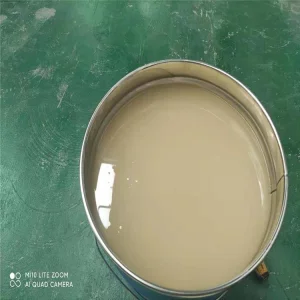
Resilient Medium Vinyl Hydroxy Terminated Polybutadiene (HTPB)
Wholesale Liquid Rubber - Medium Vinyl Liquid Terminated Hydroxy Polybutadiene Manufacturers, Suppliers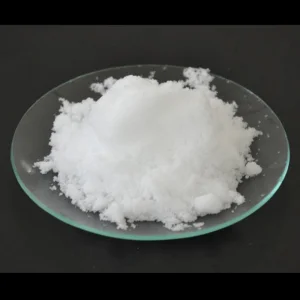
Chemical Grade Crystal Aluminum Nitrate Nonahydrate for Catalyst Precursors
China Aluminum Nitrate Supplier, Quotes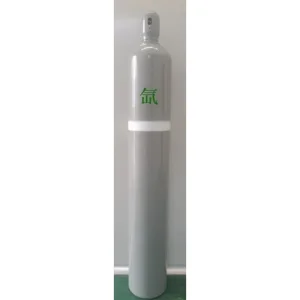
Rare Electronic Gas Ultra-Pure Xenon (Xe: 5N, 5.5N, 6N) for Aerospace Ion Thrusters
Wholesale High purity xenon & Ultra-pure xenon (Xe: 5N, 5.5N, 6N) Supplier, SuppliersPartner directly with YANXA's alkoxylation technical manufacturing complex. Receive tailored commercial quotations, comprehensive batch COAs, and trial samples dispatched within 48 hours.