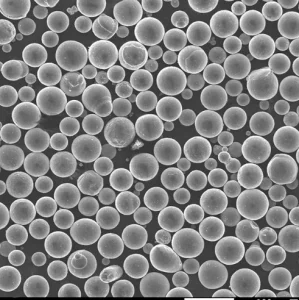
Atomized Spherical Al-Mg Alloy Powder
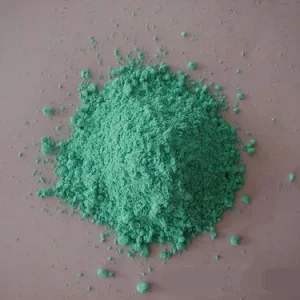
- Ratio: Al 50% / Mg 50% (Custom)
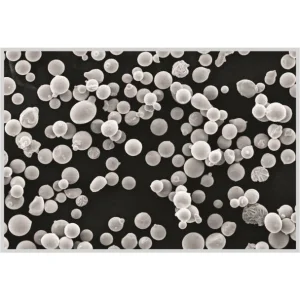
- Morphology: High Sphericity (>93%)
- Particle Size: 100 - 325 Mesh / D50 Config
- UN Class: 4.3 Dangerous Goods Certified
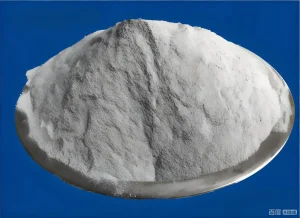
Pre-inspected, moisture-sealed, and batch-certified atomized and flake powders formulated to meet Ethiopian standard specifications for industrial processing, pyrotechnics, anti-corrosion, and structural coatings.
As Ethiopia advances its Ten-Year Development Plan (2021–2030) and expands special economic zones, precision metal powders and specialty chemical precursors serve as foundational inputs for heavy infrastructure, energy transmission, and domestic manufacturing.
From the industrial hubs of Hawassa, Bole Lemi, and Dire Dawa Free Trade Zone to localized assembly workshops along the Addis-Djibouti economic corridor, maintenance engineering teams require metal powders for thermal spray surface restoration. Hydraulic shafts, agricultural harvesters in Wonji-Shoa, and construction equipment face severe abrasive soil friction and tropical humidity. Atomized spherical alloys provide exceptional wear resistance, slashing replacement expenditures by over 60% compared to importing finished cast parts.
The Grand Ethiopian Renaissance Dam (GERD) and associated national electrical grid installations across rugged terrain demand extreme corrosion mitigation. High-tension transmission towers, substation brackets, and high-voltage switchgear exposed to the atmospheric cycling of the Great Rift Valley rely on zinc and zinc-aluminum flake coatings. These formulations prevent premature electrolytic degradation, drastically exceeding the operational lifespans of conventional solvent-based alkyd primers.
Ethiopia's vast mining and quarrying activities—spanning limestone quarrying in Mugher and Derba, tantalum extraction in Kenticha, and large-scale gold development—depend continuously on energetic formulations and pyrotechnic ignition agents. Atomized spherical Al-Mg alloy powders (such as 50:50 and 60:40 mass ratios) provide accurate stoichiometric combustion velocity, high caloric yield, and predictable burn characteristics necessary for safe civil excavation and specialty blasting slurries.
Collaborative research initiatives at Addis Ababa Science and Technology University (AASTU) and regional technical centers are actively establishing metal additive manufacturing (3D printing) testbeds. Gas-atomized spherical aluminum and copper powders featuring controlled D10/D50/D90 PSD profiles enable direct laser deposition (DLD) and selective laser melting (SLM) for rapid spare part fabrication, decoupling critical local operations from long international lead times.
Bridging Chinese manufacturing capacity with Ethiopian industrial transformation requires robust quality management, competitive pricing structures, and master logistics orchestration along the East African trade corridor.
Our partnering production lines utilize closed-loop supersonic nitrogen and argon atomization towers. This ensures ultra-low oxygen inclusion (<100 ppm on request), perfectly spherical morphologies without satellites, and superior powder flowability (Hall flow < 28s/50g). This high level of physical uniformity guarantees consistent behavior whether melted in an energetic synthesis line or blown through high-velocity thermal spray torches.
Importing hazardous chemical inputs (such as Class 4.3 flammable water-reactive powders) into landlocked Ethiopia requires strict logistical synchronization. We route sea shipments from Chinese deepwater ports (Tianjin, Qingdao, Shanghai) directly to Doraleh Container Terminal in Djibouti. Through bonded rail connections via the Ethio-Djibouti Railway, containers achieve swift inland clearance directly into the Modjo Dry Port and Kality customs clearance terminals without demurrage exposure.
We work directly within the foreign exchange directives set by the National Bank of Ethiopia (NBE). We support Letter of Credit (LC) execution, Cash Against Documents (CAD) frameworks, and third-party bank confirmations. Every consignment is supported by comprehensive documentation: Batch COA, GHS-compliant 16-section Safety Data Sheets (SDS), Technical Data Sheets (TDS), and pre-shipment quality attestations to ensure swift National Quality Infrastructure (NQI) clearance.
Every batch is inspected via laser particle diffraction (Malvern Mastersizer) and inductive coupled plasma mass spectrometry (ICP-MS).
| Product Grade | Standard Chemistry | Particle Sizing (PSD) | Apparent Density | Typical Ethiopian Application Sector |
|---|---|---|---|---|
| Atomized Spherical Al-Mg | Al 50% / Mg 50% (±1.0%) | D50: 38–45 μm (or custom) | 0.85 – 1.15 g/cm³ | Mining Pyrotechnics, Energetic Formulations, Refractory Additives |
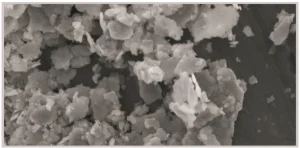
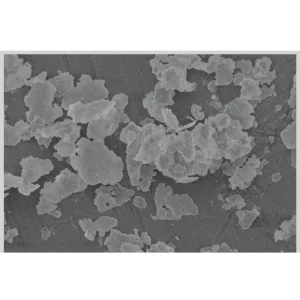
| Aluminum Flake Powder | Al ≥ 98.5%, Fe < 0.2% | Water coverage: 7,000–12,000 cm²/g | 0.20 – 0.45 g/cm³ | Autoclaved Aerated Concrete (AAC), Protective Architectural Finishes |
| Zinc Flake Powder (Low Lead) | Zn ≥ 96.0%, Pb ≤ 0.005% | D50: 12–18 μm, Thickness: ~0.3 μm | 1.60 – 2.20 g/cm³ | High-Tension Power Tower Bolts, GERD Hydraulic Sub-assemblies |
| Flake Zn-Al Alloy (85/15) | Zn 85%, Al 15% (±0.8%) | D50: 15–25 μm Lamellar | 1.40 – 1.90 g/cm³ | Bridge Infrastructure, Structural Steelwork in Great Rift Valley |
| Atomized Spheroid Al Powder | Al ≥ 99.70%, Si < 0.08% | 15–53 μm / 20–63 μm (SLM Grade) | 1.30 – 1.55 g/cm³ | Additive Prototyping (AASTU), High-Velocity Thermal Spray (HVOF) |
The global metal powder sector is shifting toward green atomization, ultra-pure feedstocks, and closed-loop recyclability. We structure our technological roadmap to ensure Ethiopian enterprises capture immediate performance gains.
With global sustainability standards stiffening, Chinese atomization centers are integrating renewable hydropower and solar grids into the induction melting lifecycle. For Ethiopian buyers, this translates to certified lower scope 3 embedded carbon within imported metal powders, aligning with national climate-resilient green economy (CRGE) guidelines. Furthermore, advanced gas atomization systems are transitioning toward clean closed-circuit hydrogen/argon carrier mixtures that reduce molten metal oxidation during atomization down to absolute theoretical thresholds.
Ethiopia currently imports the vast majority of small mechanical components, bearings, and oil-impregnated bushings for industrial textile machinery and consumer transport. By deploying pre-alloyed bronze, iron, and aluminum-magnesium powder blends, domestic plants can transition toward cost-effective uniaxial press-and-sinter powder metallurgy (P/M). Sintered component manufacturing consumes up to 40% less energy than conventional melting and subtractive machining, creating immense industrial productivity in Ethiopian economic centers.
Explore the full portfolio of YANXA materials supplied with complete export compliance, lot traceability, and technical support across Ethiopia and the Horn of Africa.
Clear, auditable answers addressing technical specifications, logistics to Djibouti/Modjo, Dangerous Goods safety, and regulatory compliance.
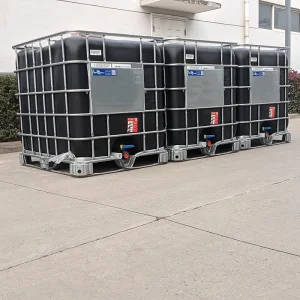
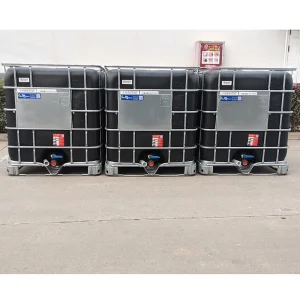
Tropical sea routes and high humidity during offloading at Doraleh Port can endanger reactive powders like aluminum-magnesium and pure zinc. We pack materials in heavy-duty UN-certified steel drums lined with dual-layer aluminum foil hermetic barrier bags. Prior to mechanical sealing, the internal headspace is vacuumed and flushed with dry technical nitrogen gas (<10 ppm moisture), guaranteeing that relative humidity inside the container remains below critical activation thresholds.
We routinely accommodate Letter of Credit (LC at sight) issued through authorized Ethiopian commercial banks (such as Commercial Bank of Ethiopia, Awash Bank, Dashen Bank) and verified by first-class international financial institutions. We also facilitate CAD (Cash Against Documents) transactions under established credit approvals, working strictly within NBE import directives.
Yes. Every batch leaves our facility accompanied by an in-house batch Certificate of Analysis (COA). For Ethiopian industrial clients requiring pre-shipment verification for customs clearance and foreign exchange release, we routinely coordinate with SGS, Intertek, or Bureau Veritas at the Chinese port of origin to verify net weight, assay, packaging integrity, and sieve grading.
Sea freight from primary Chinese ports (Tianjin/Qingdao/Shanghai) to Djibouti Port typically requires 18 to 24 days on direct liner services. Customs processing and transshipment onto the Ethio-Djibouti Railway to Modjo Dry Port typically requires an additional 5 to 7 days, resulting in a predictable total transit timeline of approximately 25 to 35 days.
Absolutely. Using ultrasonic screening and precision air classification technologies, we can tailor the D10, D50, and D90 parameters to match your specific thermal spray guns (HVOF, plasma spray), additive manufacturing beds (SLM, DLD), or pyrotechnic reaction curves. Simply provide your target microns or mesh values during technical consultation.
For dangerous goods classifications (such as UN 1396, UN 1418, UN 3089), we supply complete Dangerous Goods Declarations (DGD), multimodal dangerous goods documentation, UN Packaging Certification stamps on outer drums, and comprehensive 16-section Safety Data Sheets (SDS) authored strictly in compliant English.
Our metallurgy specialists, chemical engineers, and export logistics coordinators are ready to formulate your alloy parameters, issue verified batch COAs, and prepare competitive CIF Djibouti or DAP Modjo price quotations.
Send Inquiry Now & Request Technical Quotation