



Targeted chemical additives and mineral salts formulated to fulfill high-durability operational criteria in West African heavy manufacturing, chemical processing, and material synthesis.


An in-depth perspective on supply stability, mineral refinement, and downstream industrial growth within West Africa’s most stable economic corridor.
Ghana is experiencing a pivotal transformation in industrial chemical procurement. Historically reliant on localized, high-markup traders who hold sporadic, decentralized inventories in the Greater Accra and Western regions, modern Ghanaian manufacturing enterprises—ranging from major gold extraction facilities in Obuasi, Tarkwa, and Ahafo to municipal wastewater treatment facilities in Kumasi—are standardizing direct-from-manufacturer supply chains.
Inorganic salts, including barium salts, acetates, specialty phosphates, sulfates, and high-purity chemical bases, form the foundational baseline for this rapid transformation. As the Ghanaian government pushes forward with infrastructure development through the "One District One Factory" (1D1F) initiative, local processing capabilities require chemical inputs that adhere strictly to international analytical assay parameters. Unstandardized chemical commodities are no longer viable; modern extraction metallurgy, precision ceramic casting, and high-performance industrial coatings demand traceable, documented purity (COA) with minimal heavy metal contamination and consistent mesh size distributions.
The adoption profile of synthetic and high-purity inorganic salts across Ghana is shaped by localized technical criteria:
How automated continuous synthesis, automated DCS process controls, and rigorous export handling resolve historical pain points for Ghanaian procurement teams.
International chemical procurement into West Africa has traditionally been constrained by three structural vulnerabilities: transit lot deterioration due to high oceanic and equatorial humidity, volatility in analytical purity from decentralized synthesis, and bureaucratic logistics hold-ups resulting in crippling demurrage fees at Tema and Takoradi ports.
By leveraging China’s Industry 4.0 manufacturing framework, YANXA systematically removes these risks:
| Supply Chain Dimension | Traditional Trading Broker Model | YANXA Smart Factory 4.0 Integration | Direct Benefit to Ghanaian Plants |
|---|---|---|---|
| Process Precision | Manual batch formulation; high variance in batch assay (±2.5%) | DCS automated continuous synthesis; variance constrained to <±0.2% | Predictable chemical dosing in mining leach tanks and chemical synthesis plants. |
| Tropical Packaging | Standard single-ply woven bags susceptible to ambient moisture ingress | Vacuum-sealed multi-layer heavy PE liners + nitrogen purged desiccant drums | Zero caking, zero hydration, and preserved free-flow behavior upon unsealing at site. |
| Auditability & Docs | Generic, third-party unverified data sheets; delayed shipping paperwork | Automated lot-specific COA, verifiable SDS (GHS compliance), and early Bill of Lading delivery | Immediate clearance through Ghana Revenue Authority (GRA) and FDA/EPA Ghana. |
| Dangerous Goods (DG) Handling | Frequent port hold-ups caused by inadequate classification | Strict IMDG maritime protocol adherence, UN-rated drums, and dangerous cargo clearance | Seamless entry through Takoradi and Tema without non-compliance fines or demurrage. |
Global raw chemical salt markets have faced energy-driven pricing oscillations over the past 24 months. By stabilizing direct factory feedstocks—such as phosphorus derivatives, high-grade carbonate minerals, and specialty acetates—Chinese continuous plants offer Ghanaian buyers long-term forward supply contracts. Instead of spot-market purchasing from intermediary distributors in Europe or South Africa, direct FOB or CIF Tema contracting can yield a 14% to 22% reduction in overall landed chemical procurement costs, while ensuring uninterrupted manufacturing continuity.
Expanded chemical catalogue supplied with lot-traceable COA, comprehensive technical dossiers, and export documentation optimized for Ghana and broader ECOWAS markets.

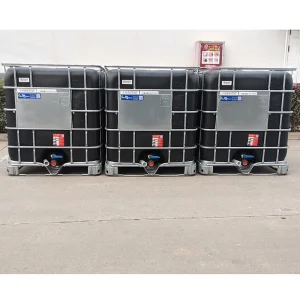


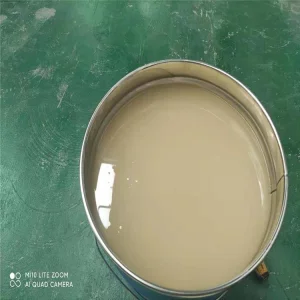

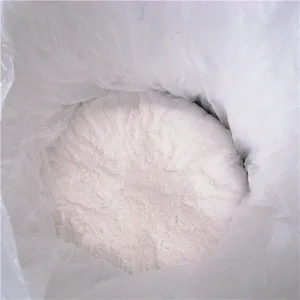

Real-world insights on customs, testing protocols, shelf life protection, and maritime shipping to Tema and Takoradi ports.