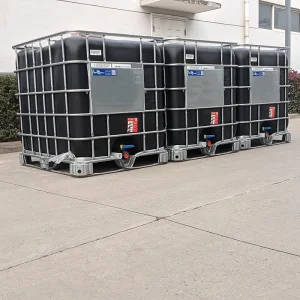
Verified production lots manufactured under strict ISO 9001 and ISO 14001 parameters, cross-referenced with international testing certifications.
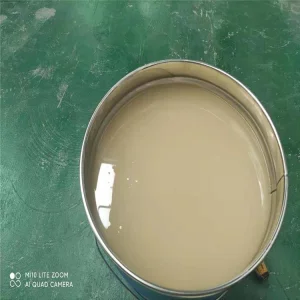

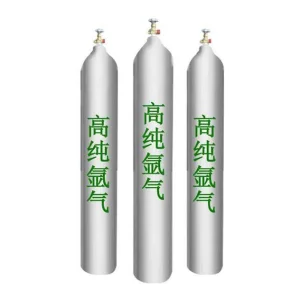
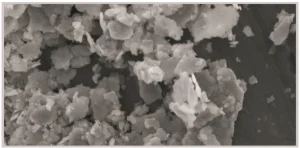
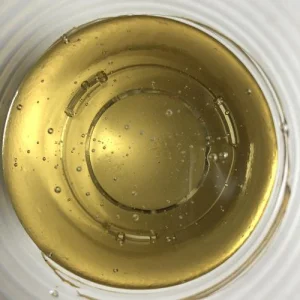
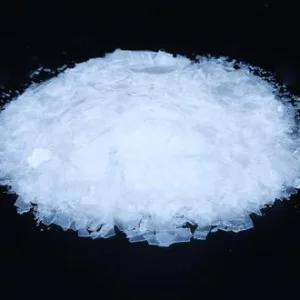

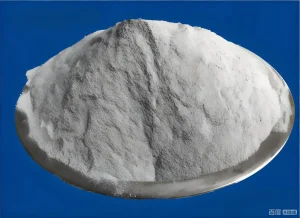
Analysis of high-purity aluminum oxide (Al2O3) consumption patterns, thermal conductivity demands in electric vehicles, and microelectronics substrate evolution.
The global transition to lithium-ion batteries has precipitated an unprecedented demand for sub-micron High Purity Alumina (HPA, 4N 99.99%). Boehmite and nano-scale alpha-alumina layers applied to polyethylene (PE) and polypropylene (PP) separators radically improve thermal stability, prevent dendritic puncturing, and mitigate thermal runaway risks under extreme operational margins.
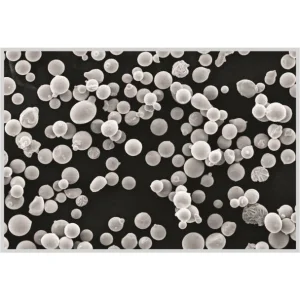
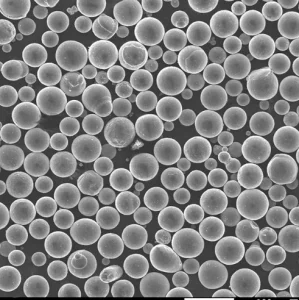
As computational chipsets cross sub-3nm nodes, heat dissipation reaches critical physical barriers. Spherical alumina fillers incorporated into Thermal Interface Materials (TIM), epoxy molding compounds (EMC), and direct bonded copper (DBC) substrates offer high thermal conductivity (up to 30 W/m·K) while retaining electrical breakdown voltages above 15 kV/mm.
Engineered tabular and calcined alumina powders serve as structural cornerstones in wear-resistant valve trims, ballistic ceramic armor, bioceramic dental/orthopedic implants, and plasma etching chamber components. Precise particle morphology eliminates internal voids during isostatic pressing and high-temperature sintering schedules.
How automation, raw bauxite beneficiation, and closed-loop Bayer processing give Chinese manufacturers an enduring edge in purity, throughput, and pricing.
Digitally modulated rotary kilns and vertical shaft furnaces maintain temperature gradients within ±1.5°C across 1400°C-1700°C zones, ensuring 98%+ alpha conversion rates with exceptional lot-to-lot crystallographic consistency.
Multi-stage air classification coupled with inline Malvern Mastersizer laser diffraction prevents coarse agglomeration, guaranteeing exact D10, D50, and D90 parameters tailored to customer filtration systems.
By co-locating refining infrastructures adjacent to natural gas corridors and hydroelectric clusters in Shandong, Henan, and Guangxi provinces, processing expenditures achieve a 22-35% margin advantage over Western peers.
Modern Chinese operations feature zero-liquid-discharge (ZLD) caustic recovery loops and automated baghouse particulate filtration, ensuring continuous operational licenses during strict municipal environmental auditing seasons.
Market reference pricing (FOB Qingdao/Tianjin) correlated against chemical purity, surface area (BET), and morphological structure for global buyers.
| Grade Category | Purity (Al2O3) | Median Particle Size (D50) | Specific Surface Area (BET) | Key Industry Application | Benchmark Price Range (USD/MT) |
|---|---|---|---|---|---|
| Calcined Alumina (Alpha Standard) | ≥ 98.8% | 2.5 – 5.0 μm | 0.8 – 1.5 m²/g | Refractories, abrasive wheels, ceramics | $480 – $720 |
| Reactive Fine Alumina | ≥ 99.5% | 0.4 – 1.2 μm | 3.0 – 8.0 m²/g | Wear-resistant tiles, high-grade casting | $850 – $1,400 |
| Tabular Alumina (Sintered) | ≥ 99.2% | 0-0.5mm / 200-325 mesh | ≤ 0.5 m²/g | Petrochemical catalysts, blast furnaces | $650 – $980 |
| Spherical Thermal Alumina | ≥ 99.7% | 5.0 – 45 μm | 1.2 – 3.5 m²/g | Thermal pads, EV potting, CCL resins | $2,800 – $5,500 |
| High Purity Alumina (HPA 4N) | ≥ 99.99% | 0.2 – 0.8 μm | 5.0 – 12.0 m²/g | Lithium battery separators, sapphire glass | $6,800 – $14,000 |
| Ultra-Purity Alumina (5N) | ≥ 99.999% | Customized / Sub-micron | Customized | Semiconductor CMP slurry, laser crystals | $25,000 – $60,000 |
*Pricing reflects index averages. Variable factors include ocean freight, palletization specs, volumetric contracts, and exchange rates.
How leading global manufacturers configure alumina powders to achieve performance breakthroughs under extreme operational stresses.
By blending broad multi-modal spherical alumina grades (e.g., 30μm, 10μm, and 1μm in a 7:2:1 ratio), manufacturers achieve a dense close-packed internal architecture. This achieves over 85% mass filler loading within silicone or polyurethane matrices without causing rheological thickening or compromising syringe dispensing speeds.
In chemical-mechanical planarization (CMP) of sapphire substrates, silicon carbide wafers, and optical glass, sub-micron alpha-alumina with strictly controlled crystal edges prevents surface scratching while maintaining stable material removal rates (MRR), achieving sub-nanometer surface roughness (Ra < 0.2 nm).
Monolithic refractories for ladles and petrochemical reform tubes use tabular alumina alongside micro-silica to trigger in-situ spinel (MgAl2O4) formation during firing. This delivers resistance to alkaline slag penetration, thermal shock resistance (>30 cycles at 1100°C), and load resistance up to 1800°C.
Key technical, contractual, and chemical inquiries answered by material scientists and international export compliance specialists.
Explore complementary technical materials from our ISO-certified facilities, engineered for demanding industrial, semiconductor, and metallurgical workflows.