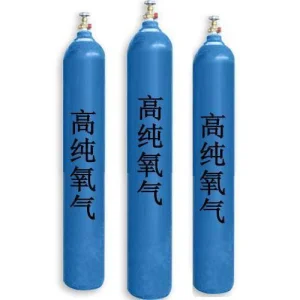
Direct supply capability across fine chemicals, specialty gas formulations, and functional inorganic compounds backed by stringent batch inspection.
A comprehensive examination of chemical properties, endothermic decomposition mechanisms, and surface modifications characterizing modern industrial ATH production.
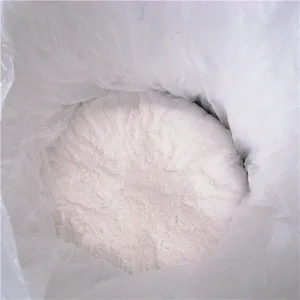
Aluminium Hydroxide, technically designated as Aluminium Trihydrate (ATH, Al(OH)₃ or Al₂O₃·3H₂O), serves as the global standard for non-toxic, non-halogenated mineral flame retardants and functional mineral fillers. Our advanced gibbsite crystalline structures possess a distinct monoclinic symmetry characterized by tight hexagonal plate packings.
When exposed to thermal stress above 200°C–220°C, ATH initiates an endothermic decomposition absorbing approximately 1.97 kJ/g (approx. 1967 J/g) of thermal energy, releasing 34.6% of its structural mass as non-combustible water vapor:
2 Al(OH)₃ + ΔH → Al₂O₃ + 3 H₂O ↑
This process quenches surrounding flames, dilutes combustible atmospheric gases, and blankets the polymer substrate under a protective, thermally stable alumina (Al₂O₃) char layer.
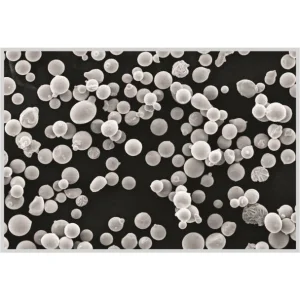
The macroscopic efficacy of Aluminium Hydroxide powder in elastomer compounding and resin casting is governed by particle size distribution (PSD) and crystal habit. Standard precipitation without micro-control induces agglomeration that degrades compound melt flow.
Yanxatech System Industries Limited (YANXA) addresses these operational pain points through modern fluid-bed jet milling, air-classifier classification, and multi-stage seed precipitation:
Natural mineral hydrophilic surfaces exhibit weak compatibility with hydrophobic organic matrix chains (polyolefins, epoxies, rubbers). Left unmodified, high ATH filler levels cause severe interfacial delamination, poor tensile retention, and structural embrittlement.
Our direct surface coating plants integrate continuous hot-vapor phase chemical grafting:
Harnessing integrated Bayer refining capacity, abundant mineral reserves, and specialized logistics corridors to provide cost certainty and uncompromised volume reliability.
China commands the world's most consolidated and technologically mature bauxite refining network. Our synthesis streams draw directly from specialized sodium aluminate mother liquors. By bypassing intermediate dry-hydrate re-dissolution steps, our primary factories achieve unparalleled carbon and thermal efficiencies, delivering continuous lot homogeneity.
Through closed-circuit air classification and inert dry-milling clusters, our facilities produce specialized grades on demand—ranging from coarse abrasive and carpet-backing fillers (20–50 µm) down to submicron electronics-grade ATH (1 µm). Scaled domestic production ensures steady buffer inventories, shielding multinational clients from raw material crunches.
Situated with rapid multi-modal access to Qingdao, Tianjin, and Shanghai international terminals, our export division guarantees rapid ISO-tank, sea-container, and breakbulk dispatch. With over 15 years in dangerous and non-dangerous goods customs operations, we facilitate door-to-port compliance, moisture-barrier bulk packaging, and container desiccant regimens.
Compare standard and specialized Aluminium Hydroxide powder grades manufactured to international testing standards (ISO, ASTM, DIN).
| Target Grade Series | Typical D50 (µm) | Al(OH)₃ Content (%) | BET Surface Area (m²/g) | Oil Absorption (ml/100g) | Primary Industrial Application |
|---|---|---|---|---|---|
| ATH-MIC10 (Ultra-Fine) | 0.9 – 1.3 | ≥ 99.7% | 4.5 – 6.5 | ≤ 35 | Thin-wall cable, CCL substrate, high-performance electronics |
| ATH-MIC25 (Fine Precipitated) | 1.8 – 2.5 | ≥ 99.6% | 2.5 – 4.0 | ≤ 28 | HFFR / LSZH cable compounds, EVA extrusion, conveyor belts |
| ATH-SUR (Silane Modified) | 1.5 – 3.0 | ≥ 99.2% (inc. silane) | 2.0 – 3.5 | ≤ 20 | Automotive under-hood resins, epoxy casting, XLPE insulation |
| ATH-SOL (High-Whiteness) | 8.0 – 14.0 | ≥ 99.5% | 1.0 – 1.8 | ≤ 22 | Artificial marble, acrylic solid surfaces (PMMA), sanitary ware |
| ATH-IND (Coarse Industrial) | 20.0 – 45.0 | ≥ 99.0% | 0.5 – 1.0 | ≤ 18 | Carpet latex backing, FRP/SMC/BMC compression molding, glass filler |
Eliminating chemical procurement risk through traceable audit trails, global environmental directives, and strict laboratory testing.
All ATH grades exported by YANXA comply fully with EU REACH (EC 1907/2006) registration protocols and RoHS environmental standards. As global restrictions tighten against brominated flame retardants (such as decabromodiphenyl ether) and chlorinated additives, our non-toxic gibbsite powder ensures complete freedom from heavy metals, antimony compounds, and polyhalogenated biphenyls.
Our engineering laboratory verifies flame retardancy in target resins (polyamide, polyolefin, epoxy) to help clients secure standard certifications such as UL94 V-0, V-1, or 5VA flammability ratings. Furthermore, we calibrate particle size formulations to meet demanding Glow Wire Flammability Index (GWFI) standards under IEC 60695-2-12 for home appliance housings.
Every shipment is delivered with a lot-specific Certificate of Analysis (COA) confirming laser diffraction particle sizing (Malvern Mastersizer), XRF chemical composition, whiteness index (Hunter L/a/b), and soluble sodium content (Na₂O). Third-party inspections via independent bodies such as SGS, BV, or Intertek can be coordinated seamlessly upon contract confirmation.
Real-world integration points where precision-grade Aluminium Hydroxide powder drives flammability suppression, thermal dissipation, and aesthetic quality.
In municipal transit cables, subsea data wires, and industrial switchgear lines, flame propagation must not produce dense smoke or toxic acid halides. Compounded within EVA, LLDPE, or POE elastomers at concentrations of 55% to 65% by weight, our precipitation-grade fine ATH powder provides UL94 V-0 flame extinction while maintaining compound elongation-at-break above 150%.
Engineered architectural sheets (PMMA, unsaturated polyester resin casting) rely on ATH as both a physical bulk filler and a flame retardant. Our ATH-SOL grade features optical refractive indices (n ≈ 1.57) that harmonize precisely with cured acrylic resins. This yields high optical translucency, excellent stain resistance, low thermal cracking, and class-leading Class-A fire ratings.
For high-frequency 5G copper-clad laminates (CCL) and semiconductor epoxy molding compounds (EMC), ATH provides low dielectric loss, exceptional tracking resistance (CTI > 600V), and enhanced thermal conductivity. The tightly controlled ionic purity (ultra-low water-soluble Na⁺ and Cl⁻ ions) prevents micro-corrosion and electrical leakage under high operational heat.
In sheet and bulk molding compounds (SMC/BMC) for rail transit interiors, automotive structural parts, and electrical enclosures, our coarse and bimodal ATH powders suppress surface shrinkage during curing. The high thermal absorption prevents mold warping while imparting structural rigidity and arc resistance.
Analyzing key advancements driving the next decade of Aluminium Hydroxide development across new energy, green architecture, and microelectronics.
With electric vehicle platforms adopting high-nickel battery chemistries, inter-cell thermal runaway protection has become critical. Submicron surface-functionalized ATH is increasingly blended into polyurethane battery potting foams, aerogel blankets, and separator coatings to create passive thermal barriers that delay cell-to-cell thermal propagation.
Pushing filler concentrations beyond 70 wt.% without sacrificing polymer processability requires optimizing interstitial void fraction. Through particle packing algorithms, YANXA manufactures custom trimodal ATH distributions where fine particles fill the microscopic spaces between coarse grains, dramatically reducing compound melt viscosity.
Green procurement initiatives demand low embodied carbon footprints. Chinese manufacturers are rapidly converting calcination and precipitation kilns to green electricity and hydrogen energy sources, reducing upstream carbon intensity across primary gibbsite extraction to align with international ESG targets.
Addressing crucial specification questions from industrial procurement teams, process engineers, and regulatory officers.
ATH decomposes at approximately 200°C–220°C, making it ideal for polymers processed at lower temperatures (EVA, PVC, LDPE, UPR, epoxy). Magnesium Hydroxide (MDH) remains thermally stable up to roughly 330°C, making it mandatory for high-temperature engineering plastics like Polyamide (PA6/PA66) or Polypropylene (PP). However, ATH provides higher water vapor enthalpy release (34.6% vs 31%) and lower procurement cost.
Residual sodium oxide (Na₂O) originates from the caustic sodium aluminate solutions used in the Bayer refining process. If soluble alkali levels exceed 0.05%, the electrical insulation resistance (volume resistivity) of high-voltage wire jackets diminishes substantially, and moisture absorption accelerates. YANXA enforces multi-stage counter-current hot water washing to keep soluble Na₂O below 0.02%.
Vinyl silane (such as vinyltrimethoxysilane or vinyltriethoxysilane) is standard for crosslinkable systems (silane-grafted XLPE). For standard thermoplastic EVA/POE jacketing, amino silanes (KH-550) or stearic acid treatments enhance compounding throughput, lower melt fracture, and improve ultimate tensile elongation.
Our standard export formats comprise 25kg multi-wall paper bags with an inner heat-sealed polyethylene liner, as well as 1,000kg/1,200kg heavy-duty PP big bags (jumbo bags) featuring moisture-proof inner laminations. Customized pallet shrink-wrapping with container desiccant poles ensures powder remains free-flowing after extended ocean transit.
Yes. By utilizing variable-speed dynamic air classifiers and multi-deck sifting systems, we can tailor top-cut distributions (D98 or D99) and target median sizes (D50) anywhere between 0.8 µm and 75 µm according to client-specific rheological demands.
Representative laboratory samples (1kg–5kg) accompanied by a preliminary batch COA can be dispatched internationally via air express within 48 to 72 hours. Standard containerized commercial production orders typically ship within 10 to 18 business days from payment confirmation.
Explore our broader inventory of gas-atomized alloy powders, reactive liquid rubbers, and high-purity industrial compounds.