
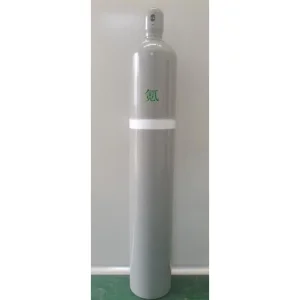
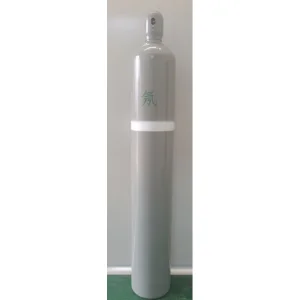
Rare Atmospheric Gases


Direct-from-factory certified products engineered for semiconductor lithography, advanced synthesis, and aerospace matrix engineering.






A critical technical evaluation of morphology engineering, leafing dynamics, surface passivation, and raw material synthesis across key industrial sectors.
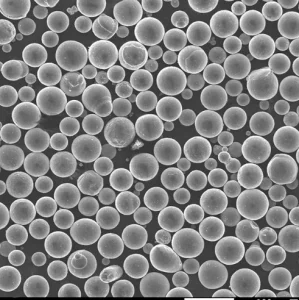
The global consumption of bright flake aluminum powder is experiencing double-digit growth within automotive metallic basecoats, solar metallization paste, and anti-corrosive marine barrier systems. Chinese manufacturing clusters have transitioned from conventional wet ball-milling to advanced multi-stage inert gas circulation comminution, ensuring strict control over flake thickness (down to 100-300 nm) and elevated aspect ratios exceeding 100:1.
Through precise control of fatty acid coating agents (stearic vs. oleic acids), manufacturers dictate interfacial tension behavior. Leafing grades migrate rapidly to the film surface to form an impermeable, reflective shingle structure that blocks UV radiation and moisture ingress. Non-leafing grades remain uniformly suspended within the polymer matrix, optimizing sparkle depth, flop index, and interlaminar adhesion.
Stringent environmental VOC mandates have propelled the development of waterborne coatings. Modern Chinese export factories deploy nanoscale silica encapsulation (sol-gel methodology) and advanced organophosphate surface treatments. This suppresses hydrogen evolution when flake aluminum interfaces with aqueous phases, unlocking shelf lives exceeding 12 months under rigorous ASTM D714 standards.
| Grade Category | Average Flake Thickness (D50) | Active Al Content | Surface Area (BET) | Key Application Matrix |
|---|---|---|---|---|
| Ultra-Bright Silver Dollar (Cornflake-Free) | 150 – 250 nm | ≥ 99.7% | 4.5 – 6.2 m²/g | Automotive OEM, Consumer Electronics, High-Gloss Inks |
| Engineered Leafing Architectural Grade | 300 – 550 nm | ≥ 98.5% | 2.8 – 4.0 m²/g | Industrial Roof Coatings, Marine Anti-Corrosion Primers |
| Sol-Gel Silica Encapsulated Waterborne | 200 – 400 nm | ≥ 96.0% | 3.5 – 5.0 m²/g | Waterborne OEM Basecoats, Aqueous Architectural Enamels |
| Energetic / Pyrotechnic Micron Flake | 500 – 1200 nm | ≥ 99.2% | 1.8 – 3.2 m²/g | Energetic Materials, Exothermic Fluxes, Refractory Additives |
Targeted deployment strategies that address environmental weathering, thermal barrier dynamics, and rigorous mechanical tolerances.
In high-salinity maritime environments, leafing bright flake aluminum creates an overlapping labyrinth effect within epoxy and polyurethane systems. By extending moisture diffusion pathways by up to 400%, these formulations prevent galvanic corrosion on shipping hulls, offshore drilling rigs, and port cranes.
With escalating solar installations in desert regions, our specialized non-leafing aluminum pastes provide infrared reflection and thermal dissipation. Integrating these into PV backsheets prevents localized thermal degradation and optimizes module operating temperatures, boosting total power yield.
Mirror-like visual effects demand narrow particle size distribution (PSD) and strict cornflake elimination. Our vacuum-dried "Silver Dollar" flakes feature rounded edges, preventing edge-scattering and achieving high flop values in automotive clearcoat systems and consumer electronics chassis.
Flake aluminum tailored for polyolefin, ABS, and polycarbonate injection molding eliminates flow lines and weld-line defects. Treated with specialized coupling agents, the flakes withstand high shear processing without curling or fracturing, maintaining metallic sheen throughout thin-wall moldings.
Mapping the transition from commodity metal milling to ultra-thin PVD aluminum pigments, AI-monitored atomization, and zero-carbon processing.
Physical Vapor Deposition (PVD) flake synthesis allows fabrication of aluminum flakes with uniform thicknesses below 50 nm. This provides chrome-like liquid metal effects at one-fifth the pigment loading of traditional milled products, drastically reducing overall material mass in aerospace applications.
Development of multi-tier hybrid shells (SiO₂/TiO₂ alternating layers) engineered directly onto flake substrates. This provides interference color effects alongside chemical resistance, withstanding extreme acid immersion and alkaline exposure up to pH 13.5 without gas discharge.
Integrating 100% renewable hydropower-sourced ingot feedstocks with closed-circuit inert nitrogen recovery. This strategy lowers the embedded carbon footprint of exported bright flake powders by 68%, supporting multinational buyers in meeting Scope 3 carbon compliance targets.
Complete batch-tested technical materials packaged according to UN Class Dangerous Goods standards for rapid worldwide distribution.
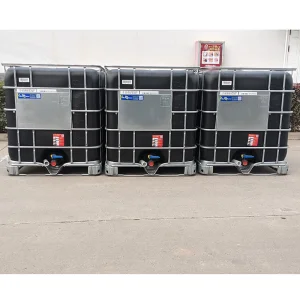
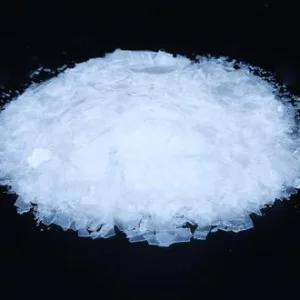
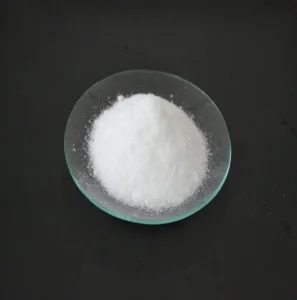
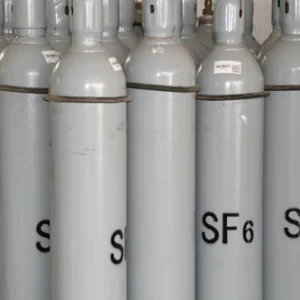


Critical specifications, international maritime logistics, testing standards, and compliance frameworks for global material managers.