


Certified electronic gases, high-purity inorganic acetates, synthetic energetic binders, and fine metallic powders tested to ISO 9001 and international military/industrial standards.
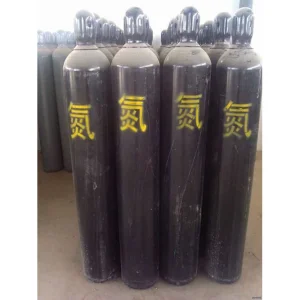
Wholesale Pure nitrogen, High pure nitrogen, Ultra-pure nitrogen (N2)

Wholesale Electronic helium Manufacturer, Manufacturers
China Barium Acetate Supplier, Factories
China Tricalcium Phosphate Pricelist, Quotes

Wholesale Strontium Acetate hemihydrate Manufacturer, Quotes
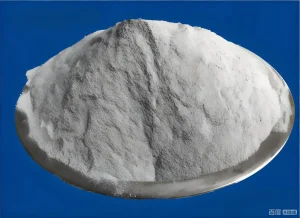
Wholesale Aluminum Flake Powder Manufacturers, Factory

Wholesale Liquid Rubber-Hydroxyl Terminated butyronitrile Rubber (HTBN)

China Liquid Rubber-Random Carboxy Nitrile Butadiene Rubber (L-XNBR)
Understanding the critical microstructural parameters that distinguish German Dark, pyro-flake, and atomized energetic aluminum grades in defense, space propulsion, and industrial pyrotechnics.
Unlike conventional spherical or atomized aluminum powders, Dark Aluminum Powder (often historically referenced as "German Dark" or pyro-grade aluminum) is characterized by ultra-thin, irregular lamellar micro-flakes. The thickness of individual flakes ranges between 0.1 μm and 0.8 μm, providing an extraordinary specific surface area (BET surface area typically ranging from 3.5 to 9.2 m²/g). This high aspect ratio accelerates thermal dissipation and maximizes surface contact with oxidizers during ignition transitions.
The distinctive slate-grey to charcoal-dark appearance stems from light trapping within micro-crevices and an engineered, ultra-thin amorphous alumina (Al₂O₃) passivation layer (1.5 to 3.5 nm thick). Unlike heavily oxidized inactive powders, tier-1 Chinese manufacturing controls the oxygen dopant profile during high-energy attritor milling. This ensures the total active metallic aluminum (Active Al content) remains consistently above 90.0% to 94.5%, preserving high enthalpy while ensuring stable storage life under nitrogen sealing.
In energetic formulations, reaction kinetics depend fundamentally on particle thickness rather than median diameter (D50). The sub-micron flake thickness reduces the diffusion distance required for phase changes during the exothermic cycle ($2\text{Al} + 3/2\text{O}_2 \rightarrow \text{Al}_2\text{O}_3$, yielding $\Delta H = -1675\text{ kJ/mol}$). Consequently, detonation wave propagation in sensitized civil blasting emulsions and flash photoflash munitions transitions from deflagration to micro-detonation up to 400% faster than spherical alloy powders.
Technical Precision Note: True pyro-grade dark aluminum powder differs chemically from polished "paint flake" aluminum. Industrial paint flakes utilize high percentages of stearic acid to induce "leafing" (surface floating), which inhibits rapid ignition. In contrast, precision dark aluminum manufactured for energetic purposes features strictly controlled non-leafing or sub-1% hydrocarbon lubricant levels, preventing sluggish deflagration while ensuring ESD (electrostatic discharge) safety margins during industrial dosing.
An objective examination of global procurement bottlenecks, Western facility curtailments, and the rising dependence of international industries on robust Chinese fine metallurgical supply chains.
Historic production centers in Central Europe and North America have faced severe regulatory closures driven by tightening environmental constraints (REACH compliance), skyrocketing industrial electrical tariffs, and catastrophic dust-explosion liabilities. As traditional European manufacturers scaled back or ceased energetic flake milling operations, global Tier-1 defense contractors and civil mining consortia experienced critical supply chain lead time expansions from weeks to over 14 months.
Modern open-pit extraction of lithium, copper, gold, and nickel relies extensively on packaged and bulk emulsion commercial explosives. The addition of ultra-fine dark flake aluminum powder as an energetic sensitizer increases the Detonation Velocity (VoD) by up to 1,200 m/s and broadens the gas expansion envelope. Consequently, mining conglomerates in South America, Australia, and Africa require multi-thousand metric ton annual deliveries of high-consistency powder with zero supply interruptions.
In solid rocket motor (SRM) propellant design, micro-flake and sub-micron dark aluminum acts as an efficient suppressant of thermo-acoustic combustion instabilities. Concurrently, it raises the specific impulse (Isp) of composite modified double-base (CMDB) and hydroxy-terminated polybutadiene (HTPB) formulations. Heightened geopolitical instability has driven allied aerospace procurement agencies to secure certified, long-shelf-life powder stockpiles with strict batch reproducibility.
International procurement of fine aluminum powders is heavily regulated under United Nations dangerous goods protocols (UN 1396 / UN 1309, Class 4.3 Water-reactive and Class 4.1 Flammable Solids). Exporters unable to deliver UN-rated steel drums, hermetic inert gas purge packaging, and seamless maritime dangerous goods approvals face port detentions and shipping rejections. China has established direct intermodal shipping lanes that safeguard cargo compliance from factory floor to global destination terminals.
How vertical raw material integration, closed-loop inert atmosphere automation, and state-of-the-art analytical screening create an unassailable value and quality proposition.
Unlike Western re-processors who source secondary scrap or high-cost commercial ingots, leading Chinese factories maintain localized integration with primary electrolytic aluminum smelters. Utilizing virgin molten aluminum ingots with purity thresholds $\ge 99.7\%$ (A00 grade), our continuous manufacturing stream systematically eliminates deleterious trace contaminants—specifically iron ($\text{Fe} < 0.12\%$), silicon ($\text{Si} < 0.08\%$), and copper ($\text{Cu} < 0.01\%$). This raw material purity is essential for preventing premature auto-catalytic oxidation and ensuring predictable shelf stability in critical formulations.
China's manufacturing scale allows the deployment of modern continuous ball mills, attritors, and stamping mills blanketed under a sealed, ultra-low oxygen nitrogen/argon protective atmosphere. Advanced oxygen sensors maintain closed-loop chamber oxygen levels between $1.2\%$ and $2.8\%$. This precise oxygen concentration allows uniform passivation without allowing thermal runaways, eliminating the high microstructural inconsistency characteristic of legacy batch-stamping facilities.
Every production batch undergoes multi-stage vortex air classification coupled with inline laser diffraction (Malvern Mastersizer 3000 instrumentation). Our processing lines can isolate tight particle size distributions (e.g., tailoring D10, D50, and D90 to exact client tolerances) while stripping out problematic superfines ($<1.0\ \mu\text{m}$) that cause severe electrostatic discharge hazards, or coarse oversized particulates ($>45\ \mu\text{m}$) that compromise propagation burn rates in automated filling operations.
| Performance / Supply Metric | China Premier Tier-1 Facilities (YANXA Standard) | Legacy Western / Regional Mills | Low-Cost Unregulated Suppliers |
|---|---|---|---|
| Active Metallic Aluminum Content | ≥ 90.0% – 94.0% (Hydrogen Evolution Method) | 88.0% – 91.5% (High variation) | < 82.0% (Excessive oxidation) |
| Atmospheric Milling Control | Automated N₂/Ar Inert Gas Closed-Loop (<2% O₂) | Semi-inert batch atmosphere | Open-air or crude kerosene bath |
| Particle Shape & Uniformity | Ultra-thin lamellar flake (Uniform aspect ratio) | Mixed irregular / nodular / flake | Unclassified crushed debris |
| Trace Iron Contamination (Fe) | ≤ 0.10% (High stability in propellants) | ≤ 0.25% | > 0.60% (Hazardous auto-decomposition) |
| Packaging & Maritime Certification | UN-Rated Steel Drums with Foil Liners (Class 4.3/4.1) | Standard drums, limited export flexibility | Non-UN bags (High shipping rejection rate) |
| Lead Time (FCL 20ft Container) | 2 to 4 Weeks | 16 to 36 Weeks | Unpredictable / Unreliable |
From massive surface excavation to aerospace propulsion stages, explore how our dark aluminum powders are integrated into critical manufacturing systems.
In ammonium nitrate fuel oil (ANFO) and water-gel commercial blasting compositions, the inclusion of 2% to 8% dark pyro-flake aluminum serves as an energetic sensitizer. Its extreme specific surface area enables direct shockwave energy coupling, accelerating chemical reaction zone rates and elevating the detonation pressure ($P_{det}$). This results in clean rock fragmentation, reduced boulder re-drilling expenses, and minimized toxic nitrous oxide ($\text{NO}_x$) blast fumes in underground tunnels and deep open-cast benching.
For aerospace composite solid propellants (such as AP/HTPB systems), dark aluminum powder acts as both an ignition facilitator and a thermal ballast suppressor. Its rapid surface ignition reduces inductive ignition delays during rocket motor startup. Concurrently, molten alumina droplets generated inside the nozzle chamber attenuate high-frequency acoustic standing waves, preventing motor case over-pressurization and providing stable thrust across broad operating temperature regimes ($-50^\circ\text{C}$ to $+65^\circ\text{C}$).
Dark aluminum powder remains the foundational fuel for high-intensity aerial flash cartridges, battlefield signaling munitions, and illumination flares. Formulated in stoichiometric balance with potassium perchlorate ($\text{KClO}_4$) or barium nitrate ($\text{Ba(NO}_3)_2$), the rapid combustion creates an intense burst of white light exceeding $10^8$ candelas with steep acoustic wavefronts. The low ignition energy allows reliable activation via standard percussion primers or electronic match bridges.
Aluminothermic reactions utilized for on-site continuous welded rail (CWR) operations demand precise ignition thermodynamics. Dark flake aluminum is added as an accelerant in thermite charge blends ($\text{Fe}_2\text{O}_3 + 2\text{Al} \rightarrow 2\text{Fe} + \text{Al}_2\text{O}_3$). It ensures instantaneous reaction initiation, enabling molten superheated steel ($>2,500^\circ\text{C}$) to fill the weld gap smoothly without cold shuts, air pockets, or slag inclusions in high-speed rail lines.
Beyond energetic formulations, dark aluminum flake powder finds technical utility in specialty electronic shielding and refractory ceramic manufacturing. In silicon carbide and carbon composite brick sintering, fine dark aluminum reacts at intermediate temperatures with atmospheric carbon and nitrogen, forming in-situ aluminum carbide ($\text{Al}_4\text{C}_3$) and aluminum nitride ($\text{AlN}$) crystalline whiskers that reinforce the ceramic matrix against extreme thermal shock.
Specialized non-leafing dark flake varieties provide high barrier shielding in marine vessel bilges, offshore platform structural components, and high-heat exhaust conduits. The overlapping lamellar flakes form an impermeable labyrinth layer that obstructs water vapor, oxygen, and chloride ion penetration into base carbon steel substrates, extending structural service intervals up to 25 years in harsh offshore environments.
How advanced surface functionalization, nano-scale sizing, and automated risk prevention are transforming the industrial powder landscape.
State-of-the-art solid propulsion research demonstrates that combining micro-scale dark flake aluminum with sub-micron bimodal additives improves volumetric particle packing density up to 14%. This bimodal configuration lowers formulation viscosity during energetic slurry mixing while significantly mitigating unburned fuel agglomerations inside the motor chamber.
To overcome environmental moisture degradation without degrading energetic enthalpy, modern facilities utilize functional surface coatings with fluoropolymers such as PTFE or Viton. This nanometer-scale fluorinated barrier improves aging resistance in humid climates while initiating energetic exothermic Al/F reactions ($\Delta H = -1200\text{ kJ/mol}$) during the early micro-detonation stage.
Anticipating strict international prohibitions on long-chain fluorinated surfactants (PFAS/PFOS), leading Chinese metallurgical R&D centers have engineered bio-derived, clean-burning hydrocarbon lubricants. These green alternatives maintain leafing-free dark flake attrition performance while reducing toxic gaseous byproduct emissions during high-temperature energetic deflagration.
Contemporary procurement mandates complete lot-level provenance. Modern production lines utilize inductively coupled plasma optical emission spectrometry (ICP-OES) alongside automated helium pycnometry. This analytical rigour guarantees that each drum carries an unalterable digital Certificate of Analysis (COA) specifying trace elemental impurities down to single parts per million (ppm).
A guide for Chief Procurement Officers and Material Engineers navigating international quality audits, dangerous goods regulations, and supply contracts.
When reviewing a supplier's Certificate of Analysis, technical buyers must scrutinize five critical parameters:
• Active Al Content: Measured by volumetric hydrogen displacement under alkaline reaction ($2\text{Al} + 2\text{NaOH} + 6\text{H}_2\text{O} \rightarrow 2\text{NaAl(OH)}_4 + 3\text{H}_2\uparrow$). Never rely on simple difference subtraction methods.
• Particle Size Distribution: D10, D50, and D90 verified via low-angle laser light scattering (ISO 13320).
• Volatile Fatty Matter (VFM): Determined by Soxhlet ether extraction (must be tailored below 1.5% for energetic grades).
• Moisture Content: Verified via Karl Fischer titration or vacuum desiccation (must be ≤ 0.15%).
Fine metallic aluminum is prone to auto-catalytic exothermic reactions when exposed to moisture ($2\text{Al} + 6\text{H}_2\text{O} \rightarrow 2\text{Al(OH)}_3 + 3\text{H}_2 + \text{Heat}$). Premier Chinese factories package dark aluminum in UN-certified steel drums (typically UN 1A2/Y1.5/150 approved) with hermetically heat-sealed multi-layer aluminum-plastic barrier inner bags. Prior to closing, containers undergo nitrogen backfilling and desiccant inclusion to ensure long-term shelf storage stability even during ocean transit through high-humidity equatorial trade routes.
Depending on specific particle size and surface treatment, dark aluminum powder is classified under international maritime law as:
• UN 1396: ALUMINIUM POWDER, UNCOATED (Class 4.3, Dangerous When Wet, Packing Group II or III).
• UN 1309: ALUMINIUM POWDER, COATED (Class 4.1, Flammable Solid, Packing Group II).
Our dedicated export compliance desk coordinates all mandatory Chinese Maritime Safety Administration (MSA) filings, Advanced Cargo Information manifests, and Dangerous Goods Declarations (DGD), eliminating port clearance rejections.
Direct answers to core questions from process engineers, compliance officers, and procurement specialists evaluating Chinese dark aluminum powders.
The distinction lies primarily in particle geometry, specific surface area, and combustion kinetics. Standard silver atomized aluminum consists of nodular or spherical particles produced by inert gas atomization of molten metal, possessing a relatively low specific surface area (0.2–1.2 m²/g). It burns slowly via diffusion flame kinetics, making it suitable for standard metallurgy and additive manufacturing.
In contrast, Dark Aluminum Powder (German Dark / Pyro Flake) is manufactured through high-energy stamping or attrition ball milling under controlled atmosphere. It features ultra-thin micro-lamellar flakes with high specific surface areas (3.5–9.0 m²/g). Its optical darkness results from light-trapping micro-cavities and controlled thin alumina passivating skins. Energetically, dark aluminum reacts almost instantaneously, delivering the sub-microsecond deflagration-to-detonation transitions required in civil explosives, propulsion igniters, and thermite assemblies.
We do not rely on standard loss-on-ignition or indirect subtraction estimation methods, which are prone to substantial error due to variable oxide layers. Instead, every production batch is evaluated using the Gas-Volumetric Alkaline Displacement Protocol. A representative test sample is reacted with an excess of standardized sodium hydroxide (NaOH) solution in a gas-tight system connected to an automated digital gas burette.
The volume of dry hydrogen gas evolved ($2\text{Al} + 2\text{NaOH} + 6\text{H}_2\text{O} \rightarrow 2\text{NaAl(OH)}_4 + 3\text{H}_2\uparrow$) is measured at precise temperature and barometric pressure. Through stoichiometric calculation adjusted for non-reactive alloy impurities, the exact percentage of free, active metallic aluminum is determined to an accuracy of ±0.2%, ensuring clients receive verifiable batch-level energetic yield.
Yes. We routinely engineer tailor-made particle size cuts for global industrial clients. Using cyclonic vortex air-classification systems, we can modify cut-off points to achieve specific targets: for example, D50 at 3.5 μm with D98 < 12 μm for high-speed pyrotechnic igniters, or D50 at 8.0 μm with minimized sub-micron fines for civil mining slurry lines requiring lower electrostatic hazard profiles.
Furthermore, we can alter the milling lubricant profile—supplying non-leafing varieties coated with high-boiling point aliphatic hydrocarbons, technical stearates (<1.0%), or delivering specialized solvent-wetted pastes (such as mineral oil or ethanol-wetted grades) designed for hazardous handling safety.
When stored in original, unopened UN-certified steel drums within a dry, well-ventilated, climate-controlled warehouse ($10^\circ\text{C}$ to $30^\circ\text{C}$ with relative humidity < 60%) away from direct sunlight, open flames, and incompatible oxidizers (such as nitrates, perchlorates, or strong acids/bases), our dark aluminum powders maintain certified active content for a minimum of 36 to 48 months.
Once a drum is opened, the inner foil vapor barrier bag must be immediately purged with dry nitrogen and tightly re-clamped to prevent ingress of atmospheric humidity, which can otherwise induce slow surface hydration and degrade active aluminum content.
Every commercial consignment exported through YANXA is fully certified under international hazardous transit frameworks. Shipments are accompanied by:
Chemical additives, industrial gas systems, and advanced polymers supporting global metallurgical, electronic, and energetic synthesis operations.
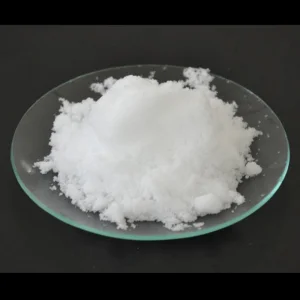
China Aluminum Nitrate Supplier, Quotes

China Epoxy Modified Liquid Rubber - Epoxidized Polybutadiene (EPB)
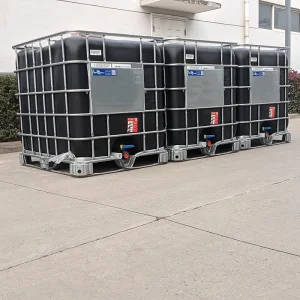
Wholesale Specialty Polyether-High Molecular Weight PET Polyether

China Carbon Tetrafluoride Factory, Pricelist
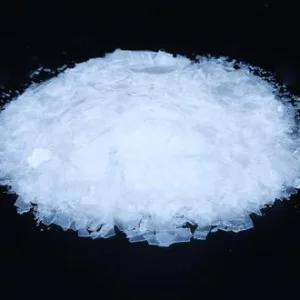
China Polyethylene Glycol Factories, Quotes
Wholesale Alloy powder Manufacturer, Factory
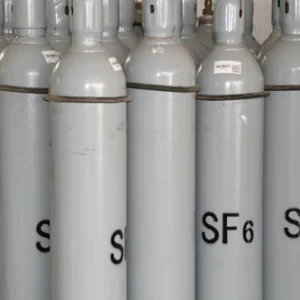
China Sulfur Hexafluoride Manufacturers, Supplier
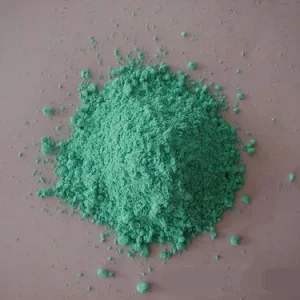
Wholesale Basic Cupric Nitrate Manufacturers, Supplier
Engage directly with our technical metallurgy department to evaluate custom particle sizing, specialized passivating coatings, and volume packaging options.
Direct Tel / WhatsApp: +86-13051139361
Technical Desk Email: [email protected]
Certified samples accompanied by batch-specific COAs, complete SDS, and laser diffraction particle size distribution plots can be dispatched to verified commercial facilities under approved Dangerous Goods logistics arrangements.
We provide multi-year index-linked supply contracts, guaranteed production queue allocation, and strategic inventory reserving for civil explosive producers and defense suppliers worldwide.
