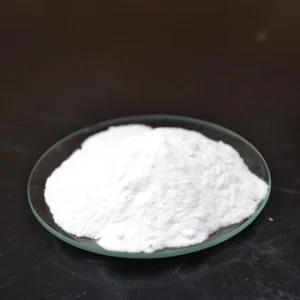
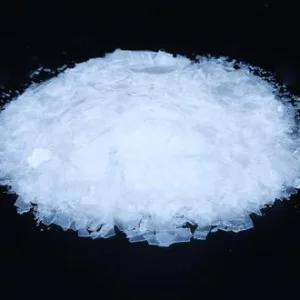
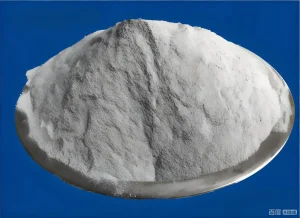
Direct supply capabilities covering high-purity inorganic nitrates, compressed electronic gases, functional specialty polymers, and advanced atomized alloy powders produced under auditable lot inspection regimes.
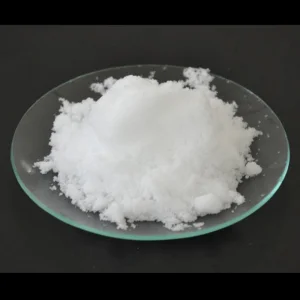





In modern high-precision industrial chemical processes, Chromium(III) Nitrate Nonahydrate [Cr(NO3)3·9H2O, CAS: 7789-02-8] has evolved from a commoditized inorganic salt into a mission-critical functional chemical precursor where trace element integrity dictates process yields.
Global catalyst fabricators require ultra-low iron (<10 ppm) and heavy-metal-depleted chromium nitrate precursors to synthesize active chromium oxide phases on alumina, silica, and zeolite matrices without inducing catalytic deactivation.
With global transitions away from hexavalent chromium (Cr VI) driven by REACH and OSHA regulations, Cr(III) nitrate acts as the primary active metal precursor for trivalent conversion coatings and zinc-nickel electrolytic passivation baths.
Demanded by architectural and optoelectronic glass manufacturing facilities to integrate chromophoric Cr3+ crystal field transitions into silicate melts, achieving reproducible emerald-to-bottle green light absorption indices.
High-solubility chromium nitrate solutions form indelible coordination complexes with acid and reactive dye groups on synthetic and animal fibers, conferring extreme washfastness and weather resistance in outdoor industrial textiles.
Yanxatech System Industries Limited (YANXA) delivers batch-controlled Chromium Nitrate manufactured via controlled nitric acid digestion of refined chromium oxide, followed by multi-stage crystallization and low-temperature centrifugal dewetting.
Specifically engineered for ethylene polymerization (Phillips catalyst synthesis) and dehydrogenation systems. Characterized by tightly constrained sulfate (<50 ppm), chloride (<20 ppm), and sodium contents to prevent pore blockage in porous substrate matrices.
Optimized for electroplating bath makeup and automotive conversion layers. Fully soluble dark violet monoclinic crystals that yield clear, particulate-free acidic solutions with stable pH buffering characteristics under sustained electrolysis.
Custom-concentrated Chromium Nitrate aqueous solutions (typically 35% to 50% w/w) formulated for automated industrial dosing lines, eliminating on-site dissolution labor, exothermic heat surges, and airborne dust hazards.
| Analytical Parameter | High-Purity Catalyst Grade | Technical / Industrial Grade | Test Standard / Method |
|---|---|---|---|
| Assay [Cr(NO3)3·9H2O] | ≥ 99.0% | ≥ 98.0% | Potentiometric Titration / ICP-OES |
| Chromium Metal (Cr) Equivalent | ≥ 13.0% | ≥ 12.8% | Calculated Mass Fraction |
| Insoluble Matter in H2O | ≤ 0.005% (50 ppm) | ≤ 0.02% (200 ppm) | Gravimetric Membrane Filtration |
| Iron (Fe) Content | ≤ 0.001% (10 ppm) | ≤ 0.005% (50 ppm) | Atomic Absorption Spectrophotometry |
| Chloride (Cl-) | ≤ 0.002% (20 ppm) | ≤ 0.005% (50 ppm) | Turbidimetric Nephelometry |
| Sulfate (SO4 2-) | ≤ 0.005% (50 ppm) | ≤ 0.01% (100 ppm) | Barium Precipitation Photometry |
| Heavy Metals (as Pb) | ≤ 0.001% (10 ppm) | ≤ 0.003% (30 ppm) | Colorimetric Sulfide Precipitation |
| Appearance & Physical Form | Dark violet deliquescent crystals | Deep purplish crystalline clusters | Visual Inspection |
Continuous evolution in green chemical manufacturing demands that Chinese primary chemical suppliers invest heavily in environmental closed-loop synthesis, precision crystallization, and carbon-minimized manufacturing chains.
Implementation of vacuum MVR (Mechanical Vapor Recompression) continuous evaporative crystallization systems that eliminate industrial wastewater discharge while capturing 99.8% of available chromium ions from wash cycles.
Advanced chelating resin beds applied upstream of crystal precipitation to strip transition-metal impurities (Ni, Co, Fe) down to sub-5 ppm levels, satisfying next-generation fuel cell reforming catalyst criteria.
Replacing traditional heavy sulfuric acid-dichromate reduction processes with direct ozone-assisted catalytic oxidation routes that eliminate sodium sulfate byproduct streams and significantly diminish product chloride footprints.
Engineered anti-deliquescent UN-certified foil-lined packaging with active nitrogen-purged hermetic heat welds, preventing product agglomeration and liquefaction throughout maritime passage across equatorial shipping lanes.
Sourcing industrial chromium salts requires a balanced evaluation of global mineral reserve access, localized regulatory compliance, energetic material safety handling, and integrated domestic manufacturing infrastructure.
China's comprehensive chemical processing parks integrate metallurgical chromite ore refining with direct nitric acid pipeline connectivity, ensuring YANXA maintains an uncompromised raw material inventory shielded from spot market volatility.
Our operations function in national-level chemical parks outfitted with dedicated heavy-metal containment systems, automated scrubbers, and online EPA-linked emissions telemetry, guaranteeing uninterrupted, non-seasonal contract supply.
Modernized batch reactors operating at 20-metric-ton crystallization capacities deliver consistent crystal habit, uniform particle dissolution kinetics, and negligible inter-batch variance across multi-container supply programs.
Chromium Nitrate is formally classified under the United Nations Dangerous Goods framework as UN 2720, Class 5.1 (Oxidizing Solids), Packing Group III. Shipping compliance requires complete regulatory mastery from factory gate to discharge port.
Packed in UN-approved 25kg multi-wall paper bags with heavy polyethylene inner liners, or fiber/composite drums bearing certified UN 1G or UN 1A2 markings conforming strictly to IMDG Code Section 4.1 requirements.
Each consignment is accompanied by 16-section GHS Safety Data Sheets (compliant with EU REACH, US OSHA, and China GHS), lot-specific Certificates of Analysis (COA), and Maritime Dangerous Goods Declarations.
Direct inland transport via registered Hazmat vehicle fleets to designated Chinese dangerous-goods sea terminals (Shanghai, Qingdao, Tianjin) with pre-arranged maritime terminal stowage reservations.
Comprehensive third-party pre-shipment inspections executed upon request via internationally accredited surveyors (SGS, BV, or Intertek) verifying seal integrity, net weight, packaging standard, and chemical assay.
Direct technical explanations addressing core engineering, handling, compliance, and commercial questions raised by international procurement managers and process chemical engineers.
Industrial Chromium Nitrate is commonly supplied in crystalline form as Chromium(III) Nitrate Nonahydrate, possessing the formula Cr(NO3)3·9H2O and CAS Registry Number 7789-02-8 (anhydrous equivalent CAS: 13548-38-4). It presents a molecular weight of 400.15 g/mol, melts around 60°C in its crystal water, and decomposes thermally above 100°C into nitrogen oxides and chromium oxide (Cr2O3).
Chromium Nitrate contains chromium strictly in the trivalent (+3) oxidation state [Cr3+]. Unlike Hexavalent Chromium [Cr(VI)] compounds such as chromium trioxide or potassium dichromate, Cr(III) is recognized as thermodynamically stable, far less toxic, and non-carcinogenic. It is the premier environmental substitute used globally to achieve REACH and RoHS compliance across automotive and aerospace surface passivations.
Because Chromium Nitrate Nonahydrate is inherently deliquescent, absorbing ambient atmospheric moisture at relative humidities above 50%, containers must be stored in cool (below 25°C), dry, well-ventilated warehouses sealed against airborne humidity. Stacking pallets should not exceed two tiers to avoid mechanical compression-induced crystal hardening. Direct sunlight and proximity to organic reducing agents must be strictly avoided.
Standard export orders are processed with typical manufacturing lead times of 10 to 18 business days. For standard FCL shipments, 20-foot standard dry containers accommodate up to 18 to 20 metric tons on pallets (800 kg to 1,000 kg per pallet shrink-wrapped) or up to 22 metric tons floor-loaded, fully packaged under approved UN Class 5.1 regulations.
Yes. YANXA specializes in tailoring technical data sheet parameters to client recipes. We supply ultra-low iron catalyst grades (<10 ppm Fe), custom mesh sizes for rapid continuous dissolving tanks, as well as premixed high-assay aqueous liquids (35% to 50% concentration) supplied in standard 1,000-liter composite IBC tanks or dedicated ISO tank containers.
Every commercial batch and representative trial sample ships with a lot-specific Certificate of Analysis (COA) specifying tested assay, insoluble contaminants, sulfate, chloride, and trace metals. In addition, we supply comprehensive 16-section GHS Safety Data Sheets (SDS), Technical Data Sheets (TDS), packing declarations, and verified dangerous cargo shipping manifests.
Explore additional high-grade chemical precursors, functional liquid elastomers, noble gases, and spherical alloy powders available directly from our centralized manufacturing clusters.