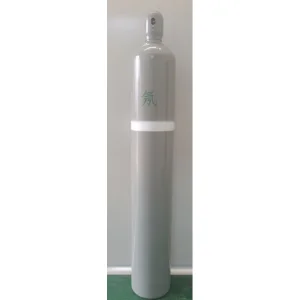
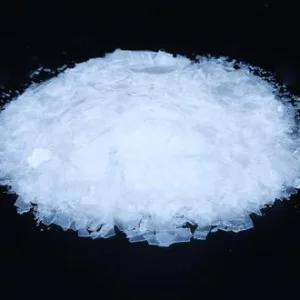
High-purity chemical additives, synthetic intermediates, and energetic metal alloys ready for export dispatch.
An authoritative analysis of DDI's unique C36 hydrocarbon backbone, hydrolytic immunity, and superior physiological safety profile over traditional aromatic isocyanates.
DDI (CAS: 68239-06-5) is derived from the dimerisation of C18 unsaturated oleic and linoleic fatty acids, creating an extended 36-carbon aliphatic hydrocarbon core. This sterically hindered structure provides exceptional internal plasticization, near-zero moisture absorption, and indefinite flexibility even at temperatures dipping down to -55°C.
Unlike conventional aromatic monomeric diisocyanates (TDI, MDI) and volatile aliphatics (IPDI, HDI), DDI exhibits an extraordinarily low vapor pressure (< 10^-6 mmHg at 25°C). It produces zero irritating vapor spikes during formulation, resulting in negligible skin and respiratory sensitization risks during plant-scale processing and compounding.
The saturated hydrocarbon core acts as an umbrella-like hydrophobic shield. In polyurea, polyurethane elastomers, and structural adhesives, DDI networks resist aggressive saltwater immersion, acid mist, and prolonged UV-solar degradation without chalking, color discoloration, or tensile cleavage over decades.
Tracing chemical transformations from Curtius rearrangement optimization to bio-renewable, decarbonized synthesis channels.
Conventional phosgenation or Curtius azide cascades are transitioning to micro-reactor architectures. Continuous flow synthesis eliminates thermal hot spots, increases NCO yields by 14%, and guarantees strict molecular weight polydispersity (Mw/Mn ≤ 1.08), eliminating oligomeric micro-gels.
By shifting to non-food vegetable oil precursors (refined tall oil fatty acids and agricultural bio-lipids), modern DDI reaches >85% bio-based carbon ratings (ASTM D6866 certified). This delivers immediate Scope 3 emissions reductions for multinational downstream brands facing strict carbon taxes.
Engineering hydrophilic-modified dimeryl isocyanates (non-ionic polyethylene oxide graft branches) permits solvent-free emulsification into aqueous single-component (1K) and dual-component (2K) waterborne polyurethane dispersions (PUD), meeting 0-VOC automotive interior emission benchmarks.
Where failure is not an option: aerospace binders, marine anti-corrosion, wearable microelectronics, and luxury textiles.
Serves as the benchmark non-crystallizing binder for hydroxyl-terminated polybutadiene (HTPB) and plastic bonded explosives (PBX), ensuring dynamic mechanical dampening under intense g-forces and thermal shocks.
Delivers dielectric constants below 2.5 with zero electrical conductivity drift in high-humidity chambers. Eliminates moisture micro-bridging across microelectronic chips, automotive ECUs, and underwater sensor potted heads.
Used as an ultra-durable water repellent (DWR) crosslinker on technical fabrics. Offers washable fluorocarbon-free adhesion to nylon and polyester, preserving softness, drape, and elasticity without skin irritation.
Creates 100% solids, zero-VOC spray polyurea linings for subsea pipelines, offshore wind tower splash zones, and chemical tank interiors, withstanding 5,000+ hours in salt spray testing without micro-cracking.
How domestic raw material backward integration and state-of-the-art distillation infrastructure ensure unyielding cost control and uninterrupted shipment cycles.
| Analytical Parameter | Commercial Grade DDI 1410 | High Purity Military Grade | Test Standard / Instrument |
|---|---|---|---|
| Active NCO Content (%) | 13.8 – 14.5% | 14.1 – 14.4% | ASTM D2572 / Titration |
| Viscosity (25°C, mPa·s) | 120 – 200 mPa·s | 130 – 170 mPa·s | Brookfield DV2T / Rotational |
| Dimer Diisocyanate Assay | ≥ 98.0% | ≥ 99.5% | High Performance GC-MS |
| Total Chlorine (ppm) | ≤ 200 ppm | ≤ 50 ppm | Micro-Coulometry / ISO 11480 |
| Color Value (Gardner) | ≤ 3.0 (Light Amber) | ≤ 1.0 (Water Clear) | ASTM D1544 / Lovibond |
| Flash Point (Pensky-Martens) | > 200°C | > 215°C | ASTM D93 Closed Cup |
| Packaging Specifications | 25kg / 180kg UN Steel Drum | Nitrogen-Purged ISO Tank | UN Certified Class 9 Standard |
Our collaborative industrial parks possess upstream oilseed crushing, tall oil fractionating, and dimer acid manufacturing facilities. Direct pipeline feedstocks insulate our end-product DDI pricing from international crude oil shocks and speculative fatty acid market volatility.
Multiple stages of wiped-film molecular degassing under 0.1 Pa vacuum extract trimer polyisocyanates, monoisocyanate trace impurities, and residual chlorine. This creates batch-to-batch curing rate reproducibility that prevents unexpected viscosity peaks in automated reaction lines.
Continuous near-infrared (NIR) sensors quantify NCO radical contents in real time during the transformation phases. Any minor drift triggers automatic feed valve adjustments, guaranteeing lot consistency throughout multi-ton export volumes.
Mitigating supply chain risks for European, American, and Asia-Pacific industrial procurement departments.
Our DDI grades hold full EU REACH substance documentation, UK REACH compliance, TSCA inventory status, and IECSC clearance. Import safely into Europe and North America with complete chemical registry paperwork, eliminating port customs rejections.
Due to the sensitivity of isocyanates to airborne moisture, shipments are packaged in heavy-gauge UN-approved steel drums or stainless ISO tanks, purged with ultra-pure dry nitrogen (<5 ppm H2O). Quality is verified to remain uncompromised during multi-week ocean transit.
Our senior polymer application engineers assist clients with catalyst selection (e.g., dibutyltin dilaurate vs. bismuth neodecanoate alternatives), stoichiometric NCO/OH index balances, and chain extension optimization directly over video and bench consultations.
Key criteria to communicate when requesting FOB, CIF, or DDP spot quotes and annual offtake supply contracts from Chinese manufacturing plants.
Clearly state your acceptable hydrolyzable chlorine threshold. For optoelectronics and propellant binders, requesting chlorine levels ≤ 50 ppm prevents copper circuit corrosion and unwanted catalyst poisoning during cure cycles.
Request 250ml or 1000ml pilot verification samples pre-packaged with sealed septa under argon. Our laboratory furnishes full lot Certificates of Analysis (COA) specifying exact titration curves, water content, and Gardner color before sample dispatch.
Take advantage of formula-linked quarterly pricing pegged to regional feedstock benchmarks. We accommodate rolling safety stock storage at primary Chinese maritime port warehouses (Shanghai, Qingdao, Ningbo) for prompt 48-hour container loading.
Clear, authoritative guidance on chemistry, handling, lead times, and regulatory protocols.
Certified batches with verifiable analytical specifications, exported directly from our integrated facilities.