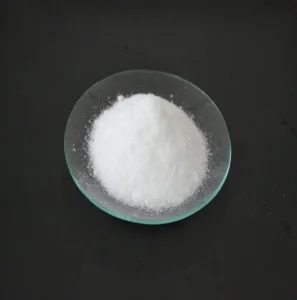
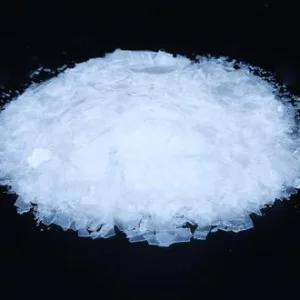
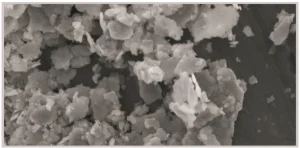
Direct manufacturer supply lots featuring rigorous batch Certificate of Analysis (COA) compliance, molecular weight consistency, and full dangerous goods (DG) logistics certification.
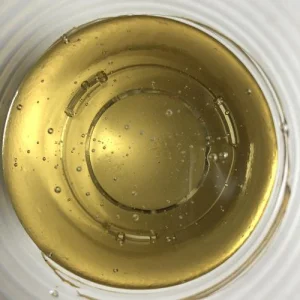
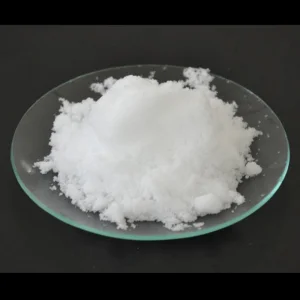

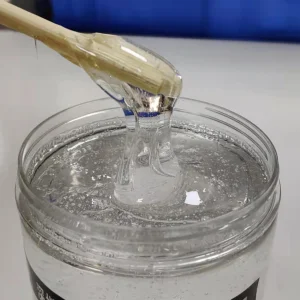


Understanding the fundamental cost mechanics of China's liquid silicone rubber (LSR) and functional organosilicon monomers requires granular tracking of upstream chemical precursors, regional energy indices, and environmental compliance overheads.
Dimethyldichlorosilane hydrolysate and cyclic dimethylsiloxane (DMC/D4) form the foundational cost nucleus. Smelting metallic silicon (Si 421# / 553#) in Yunnan, Xinjiang, and Sichuan represents ~45% of total input expenses, creating direct pricing linkage to coal tariffs, quartz purity, and regional hydroelectric seasons.
Two-component addition-cure (hydrosilylation) LSR systems require Karstedt’s catalyst (platinum divinyltetramethyldisiloxane). Fluctuations in precious metal spot markets directly affect Component A pricing, while specialty alkyne inhibitors (e.g., ethynylcyclohexanol) regulate working pot life and curing kinetics under high-shear injection.
Tensile integrity, tear propagation resistance (ASTM D624 Die B/C), and Shore A resilience rely heavily on in-situ hexamethyldisilazane (HMDZ) modified hydrophobic fumed silica. Surface area variations (150 m²/g vs 300 m²/g) alter compounding rheology, cycle times, and ultimate FOB bulk pricing.
Representative commercial reference pricing for full-container-load (FCL) export packaging. Realized spot rates depend on order volume, Shore hardness selection, viscosity profile, and customized functional compounding.
| Functional Category / Grade | Shore Hardness | Viscosity (A/B Mixed, mPa·s) | Key Certifications / Standards | Reference FOB Price (USD/kg) | Standard Packaging Format |
|---|---|---|---|---|---|
| General Industrial Molding LSR Dual-component 1:1, fast cycle |
30A – 70A | 120,000 – 350,000 | RoHS / REACH | $4.20 – $6.80 | 20kg Pail / 200kg Steel Drum |
| Automotive & EV Connector Grade Oil-bleeding, fuel/fluid resistant |
40A – 60A | 160,000 – 420,000 | IATF 16949 / UL94-V0 | $7.50 – $11.80 | 20kg Kit / 200kg Drum with Liner |
| Medical Fluidics & Implant LSR Biocompatible, low extractables |
20A – 80A | 100,000 – 500,000 | USP Class VI / ISO 10993 | $14.50 – $28.00 | Cleanroom Sealed 20kg Pails |
| Optical Grade Micro-Lens LSR High transparency, non-yellowing |
60A – 85A | 60,000 – 180,000 | Transmittance >94% | $22.00 – $45.00 | Degassed 1kg / 10kg Vacuum Cans |
| High-Voltage Cable Joint & Potting Dielectric breakdown >25 kV/mm |
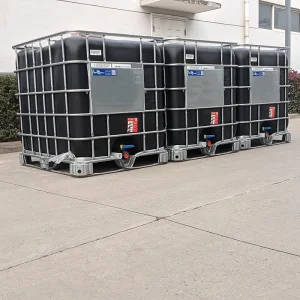
15A – 45A | 30,000 – 110,000 | IEC 60243 / IEEE 386 | $6.20 – $9.50 | 200kg Drum / 1000kg IBC Tank |
| Thermal Interface Potting Matrix Alumina loaded, >2.5 W/m·K |
40A – 65A | 80,000 – 250,000 | UL94-V0 / Halogen Free | $8.80 – $16.50 | 25kg Anti-Sedimentation Pail |
Yanxatech System Industries Limited (YANXA) provides comprehensive assay profiling, rheology adjustment, and contract manufacturing documentation across every specialty elastomer shipment.
Across automotive, semiconductor fabrication, renewable energy infrastructure, and high-voltage transmission, liquid silicon compounds resolve critical engineering tradeoffs between thermal longevity and elastomeric compliance.
Thermal runaway suppression demands low-viscosity, addition-cured liquid silicon composites loaded with spherical alumina. These formulations provide dielectric breakdown strength exceeding 20 kV/mm, continuous service ratings up to 200°C, and structural cell-to-pack dampening without volatile stress cracking.
Optically clear liquid encapsulation resists moisture ingress and ultraviolet oxidation. Integrated circuit passivation, micro-LED potting, and wafer-level lens molding benefit from liquid silicon's refractive index matching (1.41 to 1.54) and negligible shrinkage rates (<0.15%), preventing internal delamination stresses.
Medical-grade platinum-cure LSR systems exhibit inert physiological performance, eliminating plasticizer leaching common in PVC. From peristaltic pump tubing and respiratory diaphragms to needle-free injection valves, our formulations undergo exhaustive cytotoxicity, mutagenicity, and extraction audits.
Ultra-high-voltage (UHV) transmission networks rely on liquid silicone cold-shrink cable terminations. Superior tracking resistance (Class 1A 4.5kV per IEC 60587), hydrophobicity transfer under high atmospheric humidity, and permanent elastic recovery safeguard substations against flashover failure.
Operating across temperature extremes from -70°C to +260°C, phenyl-modified liquid silicon elastomers maintain flexibility without low-temperature crystallization. These materials insulate avionic radar radomes, flight control actuating seals, and rocket propulsion connector interfaces.
Skin-contact wearables require ultra-low durometer (10A to 30A) with self-lubricating surface migration. Our skin-safe liquid silicone prevents dermal irritation, provides high tintability with silicone-compatible color masterbatches, and withstands repetitive sweat and lipid contact.
Procuring chemical additives, compressed specialty gases, and elastomeric polymers from China requires transparent documentation, auditable analytical methodologies, and absolute packaging security.
Every commercial lot released by YANXA is issued with a certified Certificate of Analysis covering viscosity, tensile modulus, tear resistance, density, and cure kinetics (t10/t90 via MDR). All Safety Data Sheets follow GHS Rev. 9 criteria, fully registered for EU REACH, UK REACH, and US TSCA compliance.
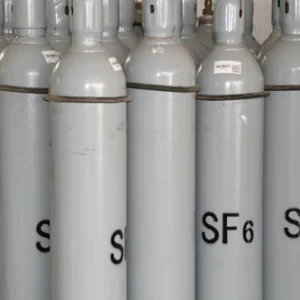
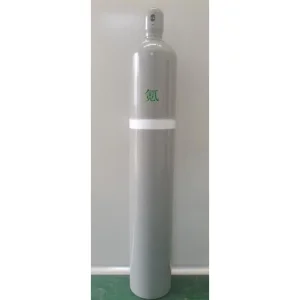
Specialty chemical precursors, compressed gases (CF4, SF6, Kr, Xe), and flammable solvent-modified rubbers are handled via authorized hazardous cargo berths in Ningbo and Shanghai. Shipments include UN-rated drums, pressure-tested gas cylinders, and complete IMO/IMDG/IATA shipping paperwork.
To eliminate procurement uncertainties, we collaborate with SGS, TÜV, and Intertek for independent pre-shipment sampling, sealed container inspections, and volatile organic residue verifications. Pre-production validation kits from 1kg to 20kg are routinely provided with companion rheometer curves.
Anticipating the evolving demands of additive manufacturing, semiconductor nodes, and carbon-neutral mobility through forward-looking organosilicon synthesis.
Formulating UV-active dual-cure liquid silicon systems engineered for stereolithography (SLA) and digital light processing (DLP), achieving <50-micron feature resolution without sacrificing post-cure elastomeric memory.
Synthesizing reactive alkoxysilane and epoxy-functionalized siloxane oligomers that bond directly to PBT, PA66, and aluminum during two-shot overmolding, eliminating manual adhesive application steps.
Compounding hybrid filler matrices combining sub-micron spherical boron nitride and silane-coupled aluminum oxide to maximize phonon transport while maintaining pumpable injection viscosity below 200,000 mPa·s.
Pioneering closed-loop chemical recycling protocols that depolymerize vulcanized silicone waste back into cyclic siloxane monomer intermediates (DMC), drastically cutting the embodied cradle-to-gate carbon footprint.
Addressing primary engineering questions, quotation parameters, and fulfillment mechanics encountered by international industrial procurement teams.
Quotes represent a combination of base vinyl-terminated PDMS molecular weight, platinum catalyst loading levels, filler reinforcement concentrations (e.g., hydrophobic fumed silica), and container specifications. Freight charges vary by non-DG vs DG classification, container type, and destination port handling parameters.
Component A contains the reactive vinyl polymers and platinum complex, while Component B houses the hydride crosslinker (Si-H) and polymerization inhibitors. Separating these components prevents premature crosslinking. Moisture-impermeable steel drums purged with dry nitrogen guarantee a minimum 12-month shelf life at 5°C–32°C.
Yes. By fine-tuning the concentration of 1-ethynyl-1-cyclohexanol or tetramethyltetravinylcyclotetrasiloxane inhibitors, we can adjust scorch safety margins, cure temperatures (110°C to 190°C), and crosslinking speeds (t10/t90) to match cold-runner tooling cycles.
While addition-cure LSR generates no acid or peroxide by-products, trace low-molecular cyclics (D4 to D10) must be removed to meet FDA 21 CFR 177.2600 and BfR XV requirements. A standard post-cure oven cycle of 200°C for 2 to 4 hours under forced ventilation is recommended.
Base matrices are manufactured under cleanroom conditions with automated closed-loop feeding, ensuring raw optical clarity. When custom pigmentation is required, inorganic heat-stable color pastes are pre-dispersed using three-roll mills and confirmed against tight Delta-E color tolerances (CIE L*a*b* < 0.5).
We provide industrial buyers with 2kg, 10kg, or 40kg sample kits accompanied by lot-specific COAs, mixing ratio instructions, and full safety data sheets. Air-courier dispatch for non-hazardous grades is organized within 48 to 72 hours of specification sign-off.
Explore YANXA’s complementary portfolio of precision inorganic chemicals, rare electronic gases, and high-purity alloy powders manufactured to international specifications.