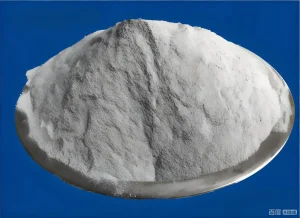


Precision materials engineered to stringent technical data sheets (TDS), provided directly from manufacturing facilities with batch Certificate of Analysis (COA).
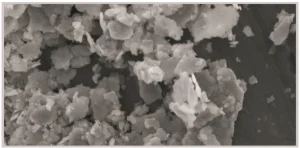



Magnesium alloy powders (encompassing AZ91D, WE43, ZK60, and binary Al-Mg 50:50 formulations) represent the frontier of structural lightweighting and controlled energetic reactivity. For overseas procurement directors, understanding China's supply cluster mechanics and quality safeguards is vital for securing stable, auditable contracts.
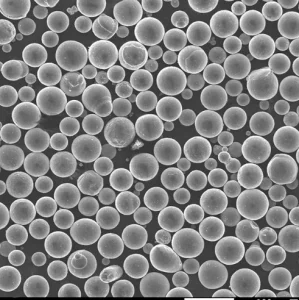
Utilizing high-pressure ultra-pure argon or nitrogen horizontal/vertical atomization towers. This guarantees a near-perfect spherical morphology, superior flowability (Hall Flow < 25 s/50g), and minimizes satellite powders for laser powder bed fusion (LPBF/SLM).
Magnesium's strong chemical affinity for oxygen requires closed-loop inert gas cycling throughout melting, atomization, dynamic cyclonic classification, and vacuum hermetic canning, preventing micro-passivation defects and premature ignition.
From high-energy aluminum-magnesium alloy powders (Al-Mg 50:50 / 60:40) used in energetic materials to specialized biomedical biodegradable grades (Mg-Zn-Ca and Mg-Nd-Zn-Zr) engineered to precise grain dimensions.
China's vertical integration from dolomite mineral reserves to specialized atomization infrastructure delivers unique pricing and volume scalability advantages for multinational manufacturers.
Shaanxi and Shanxi provinces account for the lowest raw magnesium thermal reduction cost worldwide, shielding atomization refiners from erratic price swings in Western commodity markets.
With multi-ton batch processing capacities, Chinese facilities capture significant yields in high-demand particle ranges (15-53 μm), driving down unit pricing on aerospace-grade powder fractions.
Production is centralized within state-regulated chemical and metallurgical zones fitted with dedicated explosion-proof lines, automated fire mitigation, and direct rail-to-port intermodal pipelines.
Deep experience managing Class 4.3 (water-reactive flammable solids) maritime corridors through major container terminals including Shanghai, Tianjin, and Qingdao with certified port approvals.
Comparative parameters used by global engineering firms to validate suppliers before ordering sample lots and issuing Requests for Quotation (RFQs).
| Alloy Designation | Nominal Chemical Composition (%) | Morphology | Typical Size Distribution (D50) | Standard Commercial Applications |
|---|---|---|---|---|
| WE43 Rare-Earth Alloy | Y: 3.7–4.3, Nd+Heavy RE: 2.4–4.4, Zr: 0.4–1.0, Bal: Mg | Spherical (Gas Atomized) | 15–53 μm / D50 ~34 μm | Aerospace structures, high-temperature motorsport brackets, orthopedic biodegradable implants. |
| AZ91D High-Strength | Al: 8.5–9.5, Zn: 0.45–0.90, Mn: 0.17–0.40, Bal: Mg | Spherical or Nodular | 20–63 μm / 45–105 μm | Automotive weight-reduction parts, thermal dissipation housings, direct powder metallurgy. |
| Al-Mg Binary Alloy (50:50) | Al: 48.0–52.0, Mg: 48.0–52.0, Fe: <0.05, Si: <0.08 | Spherical / Flake / Irregular | 40–150 μm (100–325 mesh) | Energetic formulations, pyrotechnics, chemical flash generation, solid propellant burning rate modifiers. |
| ZK60 High-Ductility | Zn: 5.0–6.0, Zr: 0.3–0.9, Bal: Mg | Spherical (Inert Atomized) | 15–45 μm / D50 ~28 μm | High-strain dynamic components, lightweight bike frames, impact-resistant robotics structural joints. |
| High Purity Mg (99.9%) | Mg: ≥99.90, Fe: <0.02, Cl: <0.005, H2O: <0.05 | Milled Granular or Spherical | 50–800 μm (Custom Sieve) | Desulfurization in crude steel melting, titanium sponge reduction metallurgy, organic Grignard synthesis. |
Magnesium alloy powder in pulverized or spherical form is strictly categorized under international law. Experienced suppliers enforce full regulatory documentation to eliminate customs delays and safety liabilities.
All shipments comply with UN Class 4.3 (Substances which in contact with water emit flammable gases) or Class 4.1 (Flammable solids). Packaging utilizes UN-approved steel drums (1A2) fitted with hermetic seals and nitrogen purging.
Export parcels carry multi-language GHS-compliant Safety Data Sheets (16 sections) aligned with EU REACH regulations, OSHA HazCom 2012, and verified by certified laboratory testing bodies such as Shanghai Testing Center of Chemical Industry.
Proper warehousing at destination facilities requires dedicated dry, non-sprinkler storage zones with Class D inert powder fire extinguishers (NaCl-based or copper flux). Moisture monitoring ensures zero hydrogen gas generation during holding periods.
How next-generation manufacturing sectors are replacing heavier aluminum, titanium, and polymeric materials with high-efficiency magnesium alloy powders.
Selective Laser Melting (SLM) and Electron Beam Melting (EBM) of WE43 and AZ91D alloys provide up to 33% weight savings over conventional AlSi10Mg aluminum parts in drone airframes, satellite avionics brackets, and racing suspension assemblies.
Magnesium naturally degrades in physiological environments without releasing toxic secondary ions. Spherical bio-grade Mg powders enable customized 3D-printed porous bone scaffolds and temporary vascular stents that eliminate secondary removal surgeries.
Nanocrystalline and fine-grain magnesium powders possess a theoretical hydrogen storage capacity of 7.6 wt%, acting as safe, solid-state hydrides for green maritime transport and decentralized renewable microgrids.
Clear technical, logistic, and pricing answers to guide contract negotiations with Chinese manufacturers and supply managers.
Explore associated industrial materials, cross-linkers, and specialty chemical grades manufactured to international industrial standards.