


Every material is matched to rigid analytical specifications and validated against batch COA, TDS, and international export safety protocols.
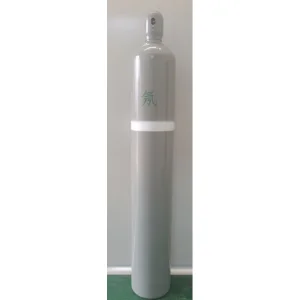
China Pure neon & High purity neon (Ne: 5N, 5.5N, 6N)
View Specifications
Wholesale High purity argon (Ar)
View Specifications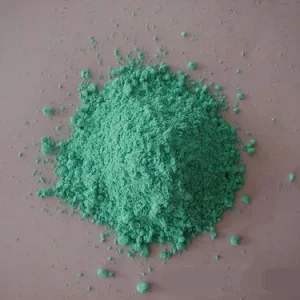
Wholesale Basic Cupric Nitrate
View Specifications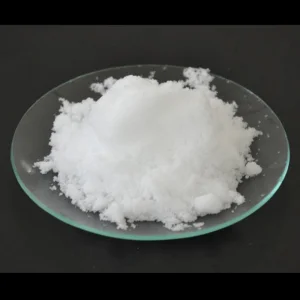
China Aluminum Nitrate
View Specifications
Wholesale Argon gas for electronic industry (Ar)
View Specifications
Wholesale Strontium Acetate hemihydrate
View Specifications
China Epoxy Modified Liquid Rubber (EPB)
View Specifications
Wholesale Specialty Polyether-High Molecular Weight PET
View SpecificationsAn exhaustive technical evaluation of thermal calcination regimens, mineral lattice stability, and chemical reactivity parameters for global engineering buyers.
Magnesium Oxide (chemical formula MgO, CAS No. 1309-48-4), also known as magnesia, is an alkaline earth metal oxide exhibiting an exceptionally rare combination of high thermal stability (melting point of 2,852°C, 5,166°F), robust thermal conductivity (up to 45–60 W/(m·K) at room temperature), and high electrical volume resistivity (>1014 Ω·cm). As global heavy industries transition toward low-carbon metallurgy, specialized polymer formulations, and advanced environmental scrubbers, Magnesium Oxide powder has transitioned from a bulk commodity mineral into an engineered, high-precision performance additive.
MgO features a rock-salt (halite) cubic crystal lattice belonging to the space group Fm3m. During the calcination of natural crystalline magnesite (MgCO3 → MgO + CO2) or synthetic magnesium hydroxide (Mg(OH)2 → MgO + H2O), lattice reorganization proceeds according to the thermal input:
Calcination: 700°C – 1000°C in Multi-Hearth or Reverberatory kilns.
Characterized by a disordered lattice, fine crystallite size (<50 nm), high BET surface area (10 to 120 m2/g), and rapid chemical reactivity. Primarily used in agricultural feed, hydrometallurgical cobalt/nickel extraction, flue gas desulfurization (FGD), and magnesium oxychloride (MOC) cement.
Calcination: 1500°C – 2000°C in high-temperature vertical shaft kilns.
Extended high-temperature sintering maximizes periclase crystal growth (>50 μm) while reducing crystallite defects and specific surface area (<1 m2/g). Extremely unreactive, low moisture affinity, and high refractoriness. Essential for basic refractory bricks, EAF hearth linings, and continuous-casting tundish masses.
Processing: Electric arc furnace fusion exceeding 2850°C followed by controlled cooling.
Produces fully developed, macroscopic periclase monocrystals with bulk density approaching theoretical maximum (3.58 g/cm3). Formulated with precision silane-coatings for tubular heating elements (swaged cartridges), ultra-high-temp crucibles, and thermally conductive compound masterbatches.
Procurement teams cannot treat MgO as a single CAS number. Key technical variables determine performance in polymer, metallurgy, and water treatment operations.
| Commercial Grade | Typical MgO (%) | CaO / SiO₂ Ratio | Loss on Ignition (LOI) | Mean Particle Size (D50) | Reactivity Index (CAA / WNA) | Key Strategic Applications |
|---|---|---|---|---|---|---|
| CCM Industrial Grade | 85.0% – 93.0% | 0.8 – 2.0 | 2.5% – 6.0% | 45 μm (325 Mesh) | 25 – 45 Seconds (Active) | Flue Gas Scrubber, Soil Remediation, Wastewater Neutralization |
| Agricultural / Feed Grade | 88.0% – 92.5% | 1.2 – 1.8 | 3.0% – 5.0% | 150 μm – 850 μm | 40 – 80 Seconds | Ruminant Feed Buffer (Grass Tetany prevention), NPK Fertilizer Blend |
| Technical Rubber & Polymer | 96.0% – 98.5% | < 0.6% CaO | ≤ 1.5% | 2.0 μm – 10.0 μm | High Activity (120–160 mg I₂/g) | CR & FKM Acid Acceptor, EVA Halogen-free Flame Retardant |
| Electrical Grade Magnesia | 97.0% – 99.5% | Controlled low Fe, B | ≤ 0.2% | Granular (40–325 Mesh) | Completely Inert (Fused) | Tubular Heating Elements, Mineral Insulated (MI) Cables |
| High-Purity Electronic Grade | ≥ 99.8% | Fe < 50 ppm, Cl < 20 ppm | ≤ 0.5% | Sub-micron / Nano | Engineered Surface | Thermal Interface Materials (TIM), MLCC Sintering, Optical Thin Films |
In hydrometallurgy and chemical synthesis, physical fineness does not correlate directly with dissolution rate. Global standards quantify reactivity via the Citric Acid Activity (CAA) Test or the Water Neutralization Activity (WNA).
Fast-reacting grades (<30 seconds) rapidly neutralize acidic streams without forming impermeable gypsum shells (unlike hydrated lime). In contrast, sluggish grades (>150 seconds) are mandatory for magnesium oxychloride (Sorel cement) floor screeds to provide workable open times and prevent catastrophic thermal cracking caused by uncontrolled exothermic hydration.
For specialized polymer compounding and animal feed supplementation, particle size distribution must be verified via laser diffraction (Malvern Mastersizer D10, D50, D90) to eliminate oversize coarse grits that cause extrudate tearing or poor animal gut bio-availability.
Heavy metal contamination requires rigorous verification via Inductively Coupled Plasma Mass Spectrometry (ICP-MS). YANXA enforces strict thresholds: Arsenic (As) < 5 ppm, Lead (Pb) < 10 ppm, Cadmium (Cd) < 2 ppm, Mercury (Hg) < 0.1 ppm, fully compliant with EU Regulation (EC) No 1831/2003, FDA GRAS status, and REACH Annex XVII restrictions.
Over 80% of global high-grade crystalline magnesite resides in Northeast China. Modern Industry 4.0 infrastructure transforms raw geological scale into reliable, consistent delivery.
The Haicheng, Dashiqiao, and Xiuyan deposits in Liaoning Province constitute the world's most concentrated, high-purity crystalline magnesite belt. Raw ore typically assays between 46.5% and 47.8% raw MgCO3 (equivalent to >96% MgO post-calcination).
Direct mine-mouth processing eliminates inter-provincial raw material logistics bottlenecks, insulating overseas supply chains against feedstock shortages experienced by European or North American synthetics.
China's recent industrial modernization has replaced manual coal-fired shaft kilns with automated Multi-Hearth Furnaces (MHF), natural gas suspension calcination kilns, and computer-controlled Electric Arc Furnaces (EAF).
Integrated Distributed Control Systems (DCS) continuously track temperature gradients (±5°C tolerance), air-to-fuel combustion ratios, and residence times, eliminating batch-to-batch variations in LOI and citric acid reactivity.
Refined MgO powders are packaged in automated bagging lines equipped with ultrasonic hermetic sealing and moisture-impermeable multi-layer PE liners.
Manufacturing facilities link directly via dedicated freight rail and express highway arteries to Bayuquan Port and Dalian Port, enabling rapid containerized and breakbulk vessel departures to European hub ports (Rotterdam, Antwerp, Hamburg) and US gateways (Long Beach, Houston, Savannah).
From structural composites and industrial scrubbers to sensitive halogen-free wire insulation, MgO functions across critical modern engineering domains.
Primary Grade: CCM Powder (85–90% MgO, 200–325 Mesh, High Reactivity).
Mechanism: MgO forms magnesium hydroxide in water: MgO + H₂O → Mg(OH)₂. Unlike caustic soda (NaOH) or hydrated lime (Ca(OH)₂), Mg(OH)₂ buffers the pH naturally at a safe plateau of 9.0–9.5, eliminating hazardous alkaline overshoot.
Its divalent Mg2+ cation improves flocculation of heavy metal hydroxides (Ni, Zn, Cu, Cr), producing dense, quick-settling sludges with low water content, cutting dewatering and disposal costs by up to 40%.
Primary Grade: High-Activity Light MgO (98% purity, D50 2–5 μm, BET >100 m2/g).
Mechanism: In polychloroprene (Neoprene / CR), chlorosulfonated polyethylene (CSM), and fluoroelastomers (FKM), MgO functions as an essential acid acceptor and crosslinking regulator.
It neutralizes trace hydrochloric or hydrofluoric acid liberated during high-temperature vulcanization, preventing premature scorching, mold corrosion, and polymer degradation, while boosting final tensile strength and thermal resistance.
Primary Grade: Electro-fused Periclase Powder (96–99.5% MgO, Controlled Sieve Distribution).
Mechanism: Swaged inside tubular metal sheaths surrounding nickel-chromium resistance coils. Under dry conditions, fused MgO exhibits high dielectric breakdown strength (>10 kV/mm) and rapid thermal conductivity.
Engineered low-temperature (up to 400°C) and high-temperature (up to 1050°C) grades use silicone resin coatings to block ambient moisture penetration, avoiding current leakage in consumer appliances and industrial furnaces.
Primary Grade: Active CCM (85–90% MgO, strictly controlled Active MgO content ≥65%).
Mechanism: Blended with aqueous magnesium chloride (MgCl2) or magnesium sulfate (MgSO4) solutions to form 5-phase or 3-phase crystalline cements (5Mg(OH)2·MgCl2·8H2O).
These binder systems manufacture non-combustible Class A1 fire-rated drywall, structural insulated panels (SIPs), and lightweight acoustic sub-floors with zero Portland cement carbon footprint.
Primary Grade: Sintered DBM & Fused Magnesia (90–98% MgO, 0–1mm, 1–3mm, 3–5mm, -200 Mesh).
Mechanism: Sintered into magnesia-carbon (MgO-C) bricks for basic oxygen furnaces (BOF), electric arc furnaces (EAF), and steel ladles.
As a dynamic slag conditioner, adding calculated calcined magnesite saturates the slag with MgO, halting the dissolution of refractory wall linings, tripling furnace lining campaigns, and cutting steel plant maintenance downtimes.
Primary Grade: Granular & Fine CCM (88–92% MgO, High Bio-Availability).
Mechanism: Ruminant animals require bioavailable magnesium in their diet to prevent grass tetany (hypomagnesemia). Feed-grade MgO acts as a ruminal buffer, maintaining rumen pH >6.2 during high-concentrate carbohydrate feeding.
In acidic, magnesium-depleted agricultural soils (citrus groves, palm oil plantations, rubber plantations), slow-release MgO restores chlorophyll synthesis without leaching away during heavy monsoon rains.
Authoritative guidance addressing common technical, operational, and regulatory inquiries from international procurement and engineering professionals.
The distinction lies in thermal processing and resulting reactivity. Caustic Calcined Magnesia (CCM) is calcined at 700°C–1000°C, preserving a porous, disordered crystallite lattice with high specific surface area (10–120 m²/g) and high chemical reactivity. It dissolves readily in acids and hydrates into Mg(OH)₂, making it optimal for flue gas treatment, agriculture, chemical synthesis, and building boards.
Dead-Burned Magnesia (DBM) is sintered at 1500°C–2000°C. This intense heat drives periclase crystal growth, sintering the grains into high-density crystallites (>50 μm) with low surface area (<1 m²/g). DBM is unreactive, resists hydration under atmospheric conditions, and is used almost exclusively in refractory bricks, ramming masses, and steel ladle linings.
Reactivity is quantified using standardized laboratory testing documented on each batch Certificate of Analysis (COA):
By blending and monitoring calcination via Automated Multi-Hearth DCS kilns, we maintain batch-to-batch reactivity consistency within an agreed ±5% variance band.
We supply dry-milled and air-classified powder grades customized to application requirements:
Active MgO reacts with atmospheric moisture and carbon dioxide to form Mg(OH)₂ and basic magnesium carbonates. For ocean transit across humid tropical trade lanes, we use double-barrier packaging systems: 25 kg multi-wall craft paper or woven polypropylene (PP) outer bags fused with a 100-micron high-density polyethylene (HDPE) or aluminum-foil heat-sealed inner barrier.
For bulk 1000 kg/1250 kg jumbo bags (FIBCs), we incorporate waterproof laminated liners with bottom discharge spout seals and desiccants within the shipping container, keeping total pre-shipment Loss on Ignition (LOI) stable through destination unloading.
All magnesium oxide shipments are produced in ISO 9001:2015 and ISO 14001:2015 certified facilities. Documentation provided with export customs manifests includes:
Full export documentation, technical data sheets, and custom particle-sizing capabilities apply to all listed specialized formulations.
China Liquid Styrene Butadiene Rubber (LSBR)
View Specifications
Wholesale Pure nitrogen, Ultra-pure nitrogen (N2)
View Specifications
Wholesale Lithium Nitrate
View Specifications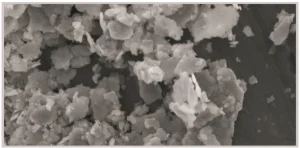
Wholesale Zinc Flake Powder
View Specifications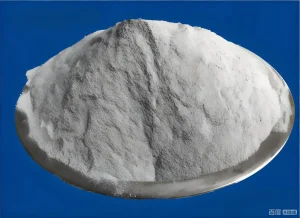
Wholesale Aluminum Flake Powder
View Specifications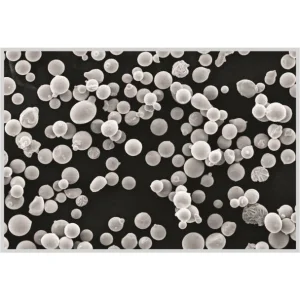
Wholesale Atomized Spheroid Al-Based Alloy Powder
View Specifications
China Polyethylene Glycol
View Specifications
Wholesale Alloy powder
View Specifications