China Polyethylene Glycol (PEG) Hydrogel Manufacturers & Factory
Technical white paper on multi-arm PEG functionalization, custom hydrogel synthesis matrices, scalable crosslinking chemistries, and medical-grade manufacturing pipelines from China.
Precision Engineering Solutions
Specialty High-Purity Gases & Chemical Precursors
Industrial foundation materials serving additive chemistry, advanced crosslinking reactions, semiconductor processing, and critical polymer synthesis across high-spec export supply chains.
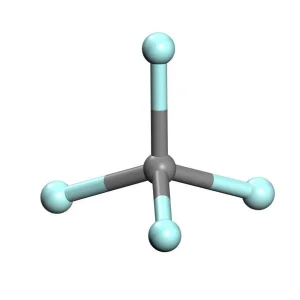
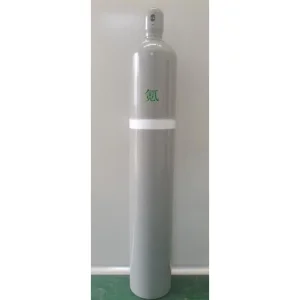
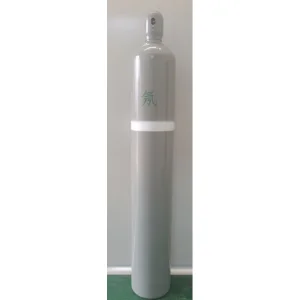
CF4 Special Gas
Carbon Tetrafluoride (CF4) Gas
Purity up to 99.999%. Critical dry-etching & plasma surface modification agent for inert biomedical fluorination.
The Evolution of PEG Hydrogel Manufacturing in China
Examining how high-tier chemical manufacturers in China are evolving from commodity ethylene glycol producers into specialized cGMP synthesis facilities for sophisticated PEG macromers and customized polymer networks.
Multi-Arm Architectures
Modern production focuses on functional multi-arm configurations (4-Arm, 8-Arm PEG) with precise terminal activation: PEG-NHS, PEG-Maleimide, and PEG-Thiol. China's manufacturing clusters allow narrow polydispersity indices (PDI < 1.05) critical for consistent bulk gelation.
Bio-Inertia & Water Uptake
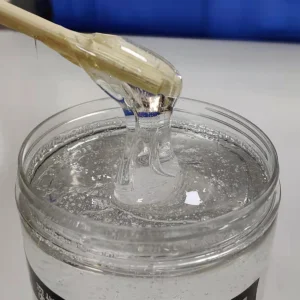
Polyethylene glycol hydrogels retain up to 95–99% water content while presenting zero protein-fouling surfaces. This structural characteristic makes them the premier vehicle for localized depot pharmacology, wound dressings, and tissue anti-adhesion barriers.
Supply Chain Integration
Domestic upstream integration across ethylene oxide feedstock, ring-opening polymerization, and specialized cleanroom functionalization enables Chinese factories to deliver high-yield batches at roughly 35–45% lower total acquisition costs than Western competitors.
99.2%Terminal Functionalization Rate
< 1.05Target Polydispersity (PDI)
Class 10kCleanroom Synthesis Standard
100%Batch Traceability & COA Verification
Localized Application Scenarios
Industrial and Biomedical Deployment Pathways
Engineered PEG hydrogel formulas serve distinct thermodynamic and mechanical roles across specialized medical devices, bioelectronics, energy systems, and tissue scaffolds.
In Situ Surgical Sealants
Rapid cross-linking click chemistry (e.g., NHS-ester/Amine coupling) forms a burst-resistant barrier in thoracic, dural, and cardiovascular operations, achieving complete hemostatic sealing in < 15 seconds without exogenous thermal input.
Controlled Sustained Drug Release
Crosslinked mesh size calibration regulates macromolecular diffusion rates. Monoclonal antibodies, peptides, and small molecules entrapped within the hydrophilic network exhibit predictable, zero-order release profiles over 30 to 180 days.
Ionic Conducting Hydrogel Electrolytes
Industrial formulations incorporate PEG networks as solid/semi-solid quasi-electrolytes for non-volatile flexible lithium devices and wearable biosensors, maintaining structural integrity up to 80°C.
Technological Trajectory
PEG Hydrogel Roadmap: Next-Gen Synthesis from China
The progression of chemical cross-linking technologies from simple physical entanglements to stimulus-responsive, enzymatically degradable bio-architectures.
How qualified Chinese chemical manufacturers build resilience and certainty for global procurement directors, quality auditors, and regulatory teams.
Rigorous Lot-to-Lot Quality Control
Every commercial polymer run is validated with Gel Permeation Chromatography (GPC/SEC), Matrix-Assisted Laser Desorption/Ionization (MALDI-TOF), and 1H-NMR spectroscopy to verify substitution efficiency, zero volatile residuals, and strict molecular weight distributions.
Export-Ready Regulatory Compliance
Comprehensive regulatory support packages include compliant GHS-formatted SDS, REACH registrations for European hubs, ISO 9001/ISO 13485 operational alignment, and dedicated Dangerous Goods declarations for inert multi-component shipments.
Supplementary Production Lines
Related Specialty Intermediates, Rubbers & Inert Gases
Complete product spectrum delivering inorganic nitrates, rare semiconductor-grade gases, and terminal liquid rubbers engineered for exacting industrial standards.
Inorganic Salt
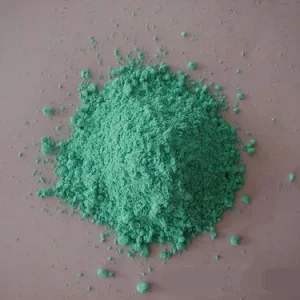
Aluminum Nitrate Nonahydrate
High-purity catalyst precursor, textile mordant, and ceramic insulation substrate dopant.
Frequently Asked Questions for Engineering & Procurement
Direct answers addressing the formulation chemistry, molecular customization, regulatory documentation, and logistical protocols for PEG hydrogels and specialty raw materials.
How do you control the swelling ratio in PEG hydrogels?
Swelling ratios are engineered primarily by tuning the molecular weight (MW) of the PEG arm precursors (commonly from 2,000 to 40,000 Da) and controlling the crosslink network density. Increasing the precursor concentration or employing multi-arm PEG (e.g., 8-Arm instead of 4-Arm) tightens mesh dimensions, reducing equilibrium water absorption.
What documentation accompanies dangerous goods and chemicals?
Every shipment is covered by a batch Certificate of Analysis (COA) confirming HPLC/GPC results, standardized 16-section GHS Safety Data Sheets (SDS), Technical Data Sheets (TDS), packing lists, and UN packaging certifications compliant with IMDG (sea freight) and IATA (air freight) protocols.
Can custom reactive terminal groups be synthesized on demand?
Yes. Chinese custom synthesis facilities routinely engineer bespoke end-groups including Acrylates (PEG-DA), Methacrylates (PEG-DMA), N-Hydroxysuccinimide esters (PEG-NHS), Maleimides (PEG-MAL), Azides (PEG-N3), and Biotin conjugates with verified substitution rates above 95%.
What is the typical shelf life and storage protocol for functionalized PEG?
Functionalized PEG powders and macromers are sensitive to humidity and thermal degradation. They should be sealed under high-purity dry argon or nitrogen at -20°C. Under appropriate desiccated, inert gas conditions, activated esters maintain activity for 12 to 24 months.
How does China's manufacturing ensure minimal heavy metal contamination?
Synthesis pathways leverage purified coordination catalysts followed by advanced multi-stage ultrafiltration, recrystallization, and ion-exchange chromatography, ensuring residual heavy metals (such as Pd, Pt, and Cu) remain below 10 ppm for medical-grade benchmarks.
Can you supply pilot-scale samples prior to metric-ton contracts?
Yes, qualified industrial buyers and research institutes can request representative pilot evaluation lots ranging from 50 grams to 5 kilograms, complete with batch-specific analytical COAs to run line verification and crosslinking trials.