


Verified manufacturing lots supplied under strict ISO 9001 and REACH quality controls. Review specifications and request immediate RFQ quotes below.






Deep-dive evaluation of raw material upstream integration, international capacity balance, and precision synthesis controls.
Polyethylene Glycol (CAS: 25322-68-3), synthesized through the ring-opening addition polymerization of ethylene oxide (EO) with water, monoethylene glycol, or diethylene glycol, constitutes the backbone of modern oligomer chemistry. For enterprise procurement directors and formulation engineers worldwide, securing direct relationships with Chinese manufacturers provides unparalleled advantages in both raw material continuity and economies of scale.
Because ethylene oxide is hazardous to transport over long distances in its gaseous or pressurized state, the global PEG manufacturing footprint is strictly determined by proximity to integrated petrochemical refining clusters. China's downstream petrochemical infrastructure boasts extensive continuous catalytic synthesis pipelines, linking cracker-derived EO straight to high-throughput ethoxylation reactors. This integration cushions downstream international buyers against regional logistic volatility and ensures consistent mono-distribution across target molecular weight spectrums.
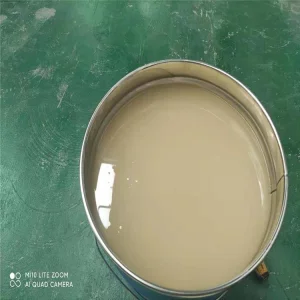
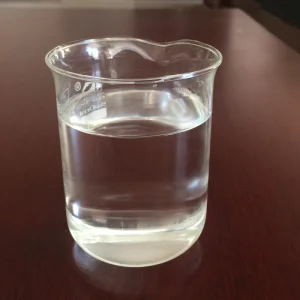
Polyethylene glycol is unique in its physicochemical adaptability, shifting from clear, hygroscopic viscous liquids to waxy solids and flake forms based strictly on its degree of polymerization:
| PEG Grade | Physical Form (25°C) | Kinematic Viscosity (cSt @ 100°C) | Hydroxyl Value (mg KOH/g) | Primary Industrial Vectors |
|---|---|---|---|---|
| PEG 200 – 400 | Transparent liquid | 4.0 – 7.5 | 260 – 590 | Inkjet solvent carriers, PU polyols, hydraulic fluids |
| PEG 600 | Semi-solid / paste | 9.5 – 12.5 | 175 – 200 | Cosmetic bases, textile softeners, paper humectants |
| PEG 1000 – 1500 | Waxy paste / soft solid | 16.0 – 25.0 | 70 – 118 | Suppository bases, rubber mould release agents |
| PEG 3350 – 4000 | White flakes / powder | 75.0 – 110.0 | 28 – 34 | Osmotic laxatives, pharmaceutical tablet binders |
| PEG 6000 – 8000 | Solid flakes / micro-prills | 240.0 – 480.0 | 14 – 19 | Ceramic binding agents, electroplating brighteners |
How top-tier chemical engineering teams leverage PEG grades across high-precision formulations and industrial manufacturing plants.
Acts as flexible non-ionic polyol segments in crosslinked polyurethane elastomeric networks, enhancing hydrophilicity, impact strength, and low-temperature modulus.
Molecular Weight 1000–4000Monodisperse, high-purity PEG chains covalently conjugate with biological therapeutics, reducing renal clearance, masking antigenicity, and extending circulatory half-life.
Pharma EP / USP GradeFunctions as a burn-out temporary organic green binder in advanced electronic ceramics and capacitor dielectrics, yielding crack-free pyrolytic decomposition.
Solid PEG 6000 FlakesProvides stable non-staining lubricity and shear stability in metal stamping, textile yarn weaving, aqueous inks, and rubber mould demolding operations.
Liquid PEG 200–600Rigorous multi-stage analytical characterization ensuring batch-to-batch homogeneity and low trace impurities for critical applications.
Leading Chinese chemical manufacturers comply with both industrial grade (GB/T 13025, ASTM) and pharmacopoeial (USP-NF, Ph. Eur., ChP) monographs. For sensitive biological synthesis, cosmetic emollience, and electronic manufacturing, secondary impurities must be suppressed via rigorous process analytical technology (PAT):
The global specialty polyether horizon is shifting rapidly toward carbon neutrality and hyper-precise drug architecture. Chinese chemical clusters are currently scaling two pivotal innovations:
Bio-Ethylene Feedstock Transition: Utilizing second-generation bio-ethanol dehydration pathways to generate drop-in 100% bio-based Ethylene Oxide. This preserves molecular performance while providing measurable Scope 3 decarbonization benefits for multinational purchasers.
Discrete, Monodisperse PEG Macromers: Conventional ethoxylation generates a Gaussian distribution of chain lengths. Advanced micro-channel reactors now synthesize discrete PEG oligomers (dPEG) with single defined molecular weights ($PDI = 1.000$), vital for targeted ADC (antibody-drug conjugates) and next-generation mRNA lipid nanoparticle delivery platforms.
Engineered shipping solutions ensuring product integrity across global maritime and multimodal routes.
Navigating cross-border regulatory frameworks requires end-to-end documentation readiness. Solid and liquid PEG derivatives operate under unique storage and temperature sensitivities during ocean transit:
Liquid Grades (200–800): Dispatched in 200 kg high-density PE drums, 1,000 kg UN-certified IBCs, or 24-ton insulated ISO tank containers equipped with electric heating coils for smooth winter discharge.
Solid Grades (1000–8000): Delivered in 25 kg multi-layer kraft paper bags with inner heat-sealed polyethylene moisture liners, palletized and stretch-wrapped to prevent ambient moisture absorption.
Every shipment is accompanied by batch Certificate of Analysis (COA), 16-section GHS Safety Data Sheets (SDS), Technical Data Sheets (TDS), Non-Dangerous Goods Declarations (for standard PEG series), and EU REACH dossier registrations.
Direct pipeline feeding from refinery complexes directly to automated filling lines eliminates intermediate cross-contamination and guarantees batch-to-batch repeatability from kilogram test lots to multi-hundred-ton annual bulk contracts.
Essential technical and transactional guidance regarding China Polyethylene Glycol production, batch qualification, and shipping.
Consult with our polymer specialists to match viscosity specs, request free laboratory qualification samples, or review real-time FOB/CIF container quotes.
Request Polyether QuotesExplore complementary specialized monomers, liquid rubbers, and high-purity inorganic raw materials from our integrated Chinese plants.








