
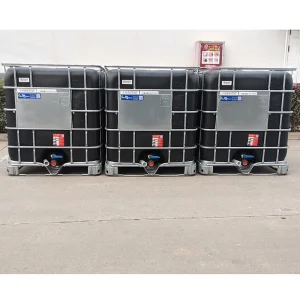


Direct factory supply of verified high-performance additives, elastomeric polymers, ultra-pure gases, and technical nitrate compositions configured for scalable downstream processing.






Polyethylene glycol (PEG) precipitation remains one of the foundational non-denaturing volumetric exclusion techniques in modern chemical engineering, bio-separation, downstream protein processing, and viral vector isolation. By functioning as a neutral, inert hydrophile, PEG polymers reorganize bulk hydration spheres around biological macromolecules or dispersed nanoparticles. Through steric exclusion—a thermodynamic phenomenon where PEG molecules cannot occupy the immediate shell of dissolved target solutes—the chemical potential of target solutes is elevated, precipitating target species out of aqueous suspension without damaging higher-order quaternary configurations or inducing denaturation.
On the global stage, market demand for high-purity PEG variants (specifically molecular weights spanning PEG 400, PEG 3350, PEG 6000, and PEG 8000) is accelerating at a projected CAGR of 7.4%. This commercial surge is heavily steered by advanced biomanufacturing paradigms, therapeutic antibody recovery (mAbs), mRNA lipid nanoparticle (LNP) formulation stabilizers, and precision industrial coatings. International procurement authorities evaluate suppliers not merely on mass pricing, but on poly-dispersity index (PDI) stringency, trace aldehyde tolerances, and non-ionic surfactant cleanliness to prevent downstream fouling during centrifugation or ultrafiltration cycles.
| Polymer Fraction | Avg. Molecular Mass (g/mol) | Hydrodynamic Radius (nm) | Standard Downstream Precipitation Use-Case |
|---|---|---|---|
| PEG 400 - 1000 | 380 – 1,050 | 0.7 – 1.2 | Small peptide crystallization, cosolvent stabilization, liquid synthesis |
| PEG 3350 - 4000 | 3,015 – 4,400 | 1.8 – 2.3 | Monoclonal IgG isolation, viral vector clarification (AAV/Lentivirus) |
| PEG 6000 - 8000 | 5,400 – 9,000 | 2.6 – 3.4 | Genomic DNA/RNA harvesting, high-efficiency macromolecular fractionation |
Capitalizing on deep supply chain integration, automated continuous ring-opening polymerization, and strategic coastal logistics infrastructure.
China's hyper-dense petrochemical clusters allow direct pipeline access to ethylene oxide (EO) precursors. This upstream colocation eradicates inter-provincial shipping risks, maintains continuous supply resiliency, and buffers global purchasers from raw material volatile spot swings.
Deploying automated DCS-regulated continuous polymerization units guarantees extreme narrowness in poly-dispersity indexes (PDI ≤ 1.05). Consistent kinetic batch control minimizes residual monomers, heavy metal catalyst traces, and unreacted ethylene glycols.
Fully integrated export documentation lines including ISO 9001 certifications, GHS-compliant multilingual SDS, certified batch COAs, and streamlined customs clearances out of Shanghai, Ningbo, and Qingdao ports accelerate oceanic transit lead times.
Across industrial chemical facilities, biotech research pilot plants, and advanced metallurgical lines, our materials solve severe separation barriers.
Utilized in multi-stage fractionation of monoclonal antibodies and immunoglobulins. PEG selectively alters aqueous solvent organization, precipitating high-mass proteins while preserving native enzymatic binding affinities.
Crucial in recovering Adeno-Associated Viruses (AAV), retroviruses, and bacteriophages from crude harvest broth, ensuring high particle yields while effectively partitioning non-target cell debris.
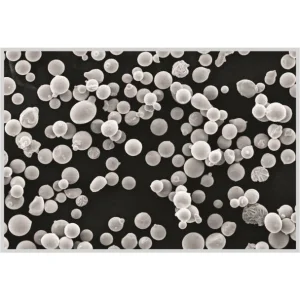
Applied as steric binders and anti-coagulants in alloy powder metallurgy, gas-atomized thermal spray feedstocks, and advanced ceramic slip casting, guaranteeing uniform compaction density.
High-molecular weight PEG (6000/8000) coupled with salt regimes allows size-selective precipitation of specific DNA fragments during genomic library construction and industrial molecular diagnostic workflows.
The global precipitation reagents sector is pivoting toward continuous bio-processing and sustainable closed-loop chemical engineering. Traditional resin-based chromatography systems, while highly selective, present staggering capital expenditures (CapEx) and resin degradation liabilities when scaling past 10,000-liter bioreactor capacities. As a consequence, leading multinational pharmaceutical and industrial chemical producers are aggressively integrating continuous two-phase PEG-salt aqueous precipitation systems as a cost-efficient capture step prior to polishing chromatography.
To satisfy the highest standards of international verification (conforming with Google Search Quality Rater Guidelines E-E-A-T mandates for technical and chemical authorities), Yanxatech System Industries Limited enforces a rigorous lot-validation protocol. Every batch exported undergoes multi-angle light scattering (MALS) analysis, Fourier-transform infrared spectroscopy (FTIR), and inductively coupled plasma mass spectrometry (ICP-MS) to confirm ultra-low metal ion levels (< 5 ppm) and negligible peroxides (< 0.01 meq/kg).
Global procurement executives are systematically updating their supplier SLAs to demand verifiable batch documentation, GHS-compliant hazard management, and direct factory-floor access to chemical engineers. Our manufacturing lines resolve these pain points by offering customer-specific molecular fractionation, custom solid flaking or liquid drum dispensing, and pre-cleared dangerous goods freight arrangements.
Continuous technical manufacturing serving aerospace, advanced synthesis, synthetic rubber compounding, and clean electronic industrial applications.






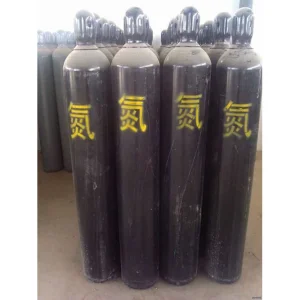

Authoritative insights into formulation compatibility, supply continuity, quality inspection, and international maritime delivery protocols.