


Explore our primary portfolio of specialty electronic gases, rare-earth reagents, functional polymers, and metal chemicals available for international contract supply.


A comprehensive engineering assessment for procurement teams, plant chemists, and water treatment facility operators seeking guaranteed chemical assay and batch repeatability.
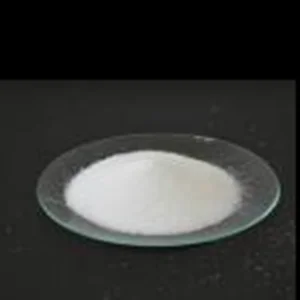
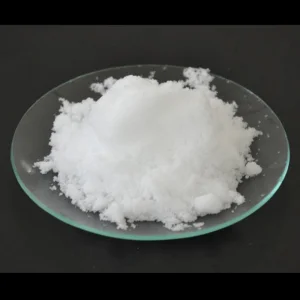
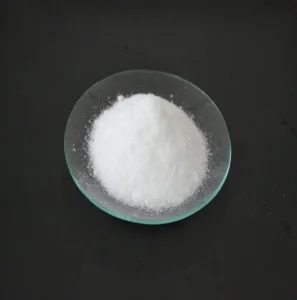
Aluminum sulphate powder (CAS Registry Number 10043-01-3; EINECS 233-135-0), chemically represented by the empirical formula Al₂(SO₄)₃·xH₂O (where x commonly ranges between 14 and 18 for technical hydrates), is an indispensable inorganic coagulant and synthetic precursor across heavy process industries. Produced primarily via the exothermic digestion of high-grade bauxite or purified aluminum trihydrate (gibbsite, Al(OH)₃) with virgin sulfuric acid (H₂SO₄), the resulting solution undergoes rigorous crystallization, dewatering, thermal dehydration, and micronization to yield a free-flowing, white to off-white crystalline powder with tightly controlled particle size distribution (PSD).
From an operational procurement standpoint, the physical state of aluminum sulphate as a dry powder offers distinct structural advantages over liquid alum formulations (which typically contain only ~8% Al₂O₃ by mass). By procuring dry aluminum sulphate powder, commercial facilities eliminate the substantial freight overhead of transporting 50% water content, while dramatically reducing bulk storage footprint and risk of ambient temperature crystallization during cold-weather transit.
| Analytical Parameter | Iron-Free High-Purity Grade | Low-Iron Industrial Grade | Standard Technical Alum | Standard Test Protocol |
|---|---|---|---|---|
| Alumina Content (Al₂O₃) | ≥ 17.0% | ≥ 15.80% | ≥ 15.60% | EDTA Complexometric Titration |
| Iron Content (as Fe₂O₃) | ≤ 0.005% (50 ppm) | ≤ 0.30% | ≤ 0.50% | 1,10-Phenanthroline Spectrophotometry |
| Water Insoluble Matter | ≤ 0.05% | ≤ 0.15% | ≤ 0.25% | Gravimetric Filtration (105°C) |
| pH Value (1% w/v aqueous solution) | 3.0 – 4.0 | 3.0 – 3.8 | 2.8 – 3.8 | Potentiometric Electrode |
| Heavy Metals (as Pb) | ≤ 0.001% (10 ppm) | ≤ 0.003% | ≤ 0.005% | ICP-OES / AAS Analytical Method |
| Arsenic (As) | ≤ 0.0001% (1 ppm) | ≤ 0.0005% | ≤ 0.0005% | Hydride Generation ICP-OES |
| Particle Size Distribution | 20–80 mesh / 100 mesh micro | 20–60 mesh powder | Granular / Coarse powder | Dry Mechanical Sieve Analysis |
From municipal drinking water grids to zero-liquid-discharge (ZLD) effluent plants and high-speed papermaking machines, our aluminum sulphate grades deliver predictable chemical kinetics.
Functions through swift charge neutralization and sweep flocculation mechanisms. When introduced into raw surface water within a controlled pH window (5.8 to 7.8), the trivalent aluminum ions ($Al^{3+}$) hydrolyze rapidly to create dynamic mononuclear and polynuclear aqua-complexes, aggregating negatively charged colloidal clays, organic humic acids, and microscopic pathogens into dense, easily settleable flocs.
Essential in internal and surface sizing operations utilizing fortified rosin size emulsions. Iron-free aluminum sulphate acts as a core electrostatic bridge, precipitating the anionic rosin soap directly onto the hydrophilic cellulose fibers. The strict absence of iron eliminates sheet yellowing, brightness reversion, and structural weakening during thermomechanical drying.
Acts as an inorganic anchoring mordant in fiber dyeing processes, forming stable coordination complexes between organic dye chromophores and natural protein or synthetic polymers. In downstream wastewater systems, it destabilizes complex reactive, disperse, and vat dye emulsions, reducing biological oxygen demand (BOD) and chemical oxygen demand (COD).
Incorporated into modern non-alkaline flash-setting admixtures for sprayed concrete and tunnel stabilization. By accelerating the hydration of tricalcium aluminate ($C_3A$) and ettringite crystal nucleation, our pulverized aluminum sulphate guarantees initial set times under 3 minutes while maintaining long-term compressive strength and low leaching liability.
Selected as a primary, cost-effective aluminum donor in the hydrothermal synthesis of faujasite-type molecular sieves, alumina carrier substrates, and petroleum cracking catalysts. Low baseline transition metal contamination ensures reproducible crystalline lattice pore geometries without unwanted side reactions during high-temperature calcination.
Utilized in horticultural science and agronomic soil rehabilitation to moderate high alkaline soil pH profiles. Through controlled hydration, the gradual liberation of hydrogen ions lowers rhizosphere pH, unlocking essential micronutrient bioavailability (iron, manganese, phosphorus) for acidophilic crops, landscaping, and forestry cultivars.
Navigating raw material supply cycles, maritime cargo stabilization, and contract structures in a volatile international chemical marketplace.
The economic pricing of aluminum sulphate is inexorably linked to the upstream market dynamics of refined aluminum hydroxide (gibbsite) and elemental sulfur / sulfuric acid smelting co-products. Price shocks in energy grids or smelter curtailments directly restrict global alumina feedstock. Our vertically coordinated production model isolates enterprise buyers from localized spot-market shocks via strategic buffer stockpiles and multi-origin mineral refining contracts.
We provide enterprise supply agreements featuring indexed chemical price modeling, fixed-formula annual contracts, and quarterly adjustment corridors. This framework gives municipal water utilities and multi-national paper consortiums absolute certainty over annual chemical expenditure, preventing unplanned operational budget overruns caused by transient freight volatility or spot mineral surges.
Aluminum sulphate is intrinsically hygroscopic; uncontrolled exposure to equatorial ocean humidity results in severe agglomeration, caking, and handling failures at discharge. We employ heavy-duty 25 kg multi-wall woven polypropylene outer bags with high-density thermal-welded PE inner liners, as well as 1,000 kg and 1,250 kg UV-stabilized jumbo bulk bags with moisture-barrier lamination, ensuring pristine free-flowing material upon destination delivery.
Rigorous alignment with international health, environmental, and regional chemical safety standards to guarantee unrestricted commercial importation.
Water treatment facilities in North America and affiliated jurisdictions require chemicals certified to NSF/ANSI Standard 60 (Drinking Water Treatment Chemicals — Health Effects). Our drinking-water grade aluminum sulphate undergoes rigorous trace elemental extraction testing, ensuring maximum allowable levels (MAL) of regulated contaminants like arsenic, cadmium, lead, and mercury are safely adhered to.
Fully compliant with European Regulation (EC) No 1907/2006 (REACH), backed by completed dossiers, chemical safety assessments, and full traceability. Consignments bound for the United Kingdom, European Union, and Australasia are matched with regionally harmonized Safety Data Sheets (SDS) in accordance with the United Nations Globally Harmonized System (GHS) Rev. 9 guidelines.
Every commercial shipment is accompanied by a comprehensive Certificate of Analysis (COA) issued by certified laboratory technicians using calibrated spectrophotometric and complexometric methodologies. Pre-shipment inspections by independent third-party inspection agencies such as SGS, Bureau Veritas, or Intertek are seamlessly supported upon enterprise buyer request.
Operational directives from chemical plant engineers to maximize dissolution rates, prevent hydraulic scaling, and balance alkalinity dynamics.
When rehydrating aluminum sulphate powder into a working liquid solution (typically calibrated between 5% and 10% dry weight concentration), warm water (20°C to 40°C) combined with high-shear turbine agitation significantly accelerates dissolution kinetics. Avoid stagnant unagitated dissolving, as high-density hydration clumps may sink and compact against bottom drainage valves. Recommended wetted contact materials include 316L stainless steel, FRP, HDPE, and PVDF to resist low-pH acidic attack.
The chemical hydrolysis of $Al_2(SO_4)_3$ intrinsically consumes natural water alkalinity: each 1.0 mg/L of alum reduces total alkalinity by approximately 0.5 mg/L (as $CaCO_3$). In soft, low-alkalinity source waters, supplemental alkaline dosing (such as sodium hydroxide, sodium carbonate, or calcium hydroxide) is mandatory to stabilize coagulation pH within the optimal zone of 5.8 – 7.2 and avoid elevated levels of soluble residual aluminum in treated water.
Aluminum sulphate powder must be warehoused in a temperature-controlled, dry, and well-ventilated enclosure on elevated pallets away from exterior walls. Bagged inventory should follow a strict First-In, First-Out (FIFO) protocol. In pneumatic silo conveyance systems, plant engineers must incorporate dry air dehumidification systems to prevent internal pipe wall caking and downstream rotary airlock jamming during high-humidity seasons.
Anticipating regulatory updates, low-carbon manufacturing processes, and smart digital dosing infrastructures through 2030 and beyond.
Pioneering pilot programs integrating green hydrogen-fueled roasting reactors and captured industrial SO₂ scrubbers are reducing the embedded Scope 1 and Scope 2 carbon footprint of industrial sulfuric acid production. As corporate environmental criteria tighten across Europe and North America, low-embodied-carbon alum provides tier-one industrial consumers with verified lifecycle carbon reductions.
Next-generation R&D targets dry micronized coagulant composites containing synergized fractions of high-molecular-weight polyacrylamide (PAM) and silica sols. These blended formulations accelerate bridging flocculation in icy or low-turbidity raw surface waters where classical aluminum sulphate hydrolysis kinetics normally encounter sluggish settling velocity.
Integration with real-time UV-Vis spectrographic probes and streaming current monitors (SCM) linked to predictive SCADA neural algorithms. By anticipating raw river turbidity spikes hours before storm runoff arrives at the intake screens, automated dosing valves adjust dry alum rehydration rates precisely, eliminating coagulant overdosing and post-treatment pipe fouling.
Detailed technical clarifications addressing questions commonly raised by chemical purchasing managers and plant operations personnel.
The distinction resides predominantly in the residual iron content ($Fe_2O_3$) and the raw feedstock employed. Iron-free alum contains less than 0.005% (50 ppm) iron and is derived from pure aluminum hydroxide; it is strictly mandatory in photographic emulsion, pigment manufacturing, high-grade white paper sizing, titanium dioxide post-treatment, and pharmaceutical processes where trace iron would induce unwanted color shifts or discoloration. Low-iron alum contains between 0.1% and 0.5% iron, is synthesized from refined bauxite, and serves as an economical coagulant for industrial wastewater, mineral beneficiation, and general municipal wastewater treatment.
Liquid alum contains roughly 48% to 50% water by weight, delivering an active $Al_2O_3$ concentration of only ~8.0% to 8.3%. In contrast, dry aluminum sulphate powder provides 15.8% to 17.0% $Al_2O_3$ by mass—more than double the potency per metric ton. For destinations exceeding 300 kilometers from the chemical manufacturing facility, shipping dry powder results in substantial freight savings per unit of active aluminum, dramatically lower storage tank infrastructure investments, and eliminated risk of solution freezing during sub-zero winter handling.
We supply three primary mesh grades: Granular (2 to 5 mm, 4–10 mesh), Standard Powder (20–80 mesh), and Micro-Pulverized Powder (100–200 mesh). Standard 20–80 mesh is the industry standard for automated volumetric and gravimetric dry chemical feeders, offering an optimal balance between rapid dissolving kinetics (complete dissolution under 10–15 minutes with dynamic mixing) and low airborne dust during bag emptying. Micro-pulverized grades dissolve almost instantly and are preferred in dry concrete admixtures and dry mortar blending.
When preserved in intact, factory-sealed poly-lined bags in an ambient, dry, and sheltered storage environment, the chemical activity of aluminum sulphate powder remains stable for a minimum of 24 to 36 months. As the material is chemically non-degradable, its primary physical threat is atmospheric moisture absorption, which can cause surface clumping. We recommend storing pallets in shrink-wrapped condition in a climate with relative humidity below 75%.
Solid anhydrous and hydrated aluminum sulphate powder is non-regulated for transport under IMDG (sea), IATA (air), and ADR/RID (road/rail) classifications (it does not possess a primary UN dangerous goods number like corrosive Class 8 or toxic Class 6.1 chemicals). However, because aqueous solutions are weakly acidic (pH 3–4), localized environmental guidelines require standard safety handling to prevent bulk discharge into natural waterways. All shipments are supplied with standard 16-section compliant GHS Safety Data Sheets.
Yes. In addition to our standard neutral export packaging (25 kg woven PP bags with PE liner and 1,000 kg / 1,200 kg FIBC big bags), we provide full contract OEM packaging services. This includes multi-color custom-branded bags, customer-specified barcoding, multi-language regulatory safety labeling (GHS compliant), palletization with heat-treated ISPM 15 export wooden or plastic pallets, and full container moisture-trap desiccant installation.
Complete your supply chain requirements with our specialized portfolio of liquid synthetic rubbers, micronized metal powders, high-purity nitrate salts, and specialty gases.
Direct engagement with our technical sales engineers ensures rapid alignment on chemical assays, mesh parameters, container stuffing configurations, and ocean freight logistics to your destination port of discharge.
