Verified batch consistency, technical data integrity, and export-compliant materials engineered for high-specification operations.
Comprehensive physicochemical profiling of Monomethylhydrazine (MMH) for chemical engineers and corporate technical directors.
In aerospace storable hypergolic thrusters and pharmaceutical heterocyclic construction, volatile amine and moisture trace impurities (H2O > 0.5% or excessive hydrazine hydrates) severely alter activation energy, cause injector clogs, or induce side alkylations. Yanxatech enforces strict fractionated vacuum distillation paired with inert argon blanket handling to achieve ≥99.0% assay purity with tightly constrained moisture barriers.
| Analytical Parameter | Propellant & Space Flight Standard | High-Purity API Synthesis Grade | Analytical Verification Method |
|---|---|---|---|
| Chemical Name / IUPAC | Monomethylhydrazine (MMH) | Methylhydrazine (CAS 60-34-4) | Structural Verification (1H-NMR / FTIR) |
| Assay Purity (w/w) | ≥ 98.5% – 99.3% | ≥ 99.0% | Gas Chromatography (GC-FID / TCD) |
| Water Content (Moisture) | ≤ 0.5% (Max 0.3% upon request) | ≤ 0.5% | Karl Fischer Titration (Coulometric) |
| Density at 20°C | 0.874 – 0.878 g/cm³ | 0.875 ± 0.005 g/cm³ | Digital Density Meter (ASTM D4052) |
| Boiling Point & Flash Point | 87.5 °C / -8 °C (Closed Cup) | 87.0 – 88.0 °C / -8 °C | Standard Thermal Atmospheric Distillation |
| Non-Volatile Residue (NVR) | ≤ 0.01% (100 ppm max) | ≤ 0.03% | Gravimetric Evaporation Analysis |
| Free Dissolved Hydrazine (N2H4) | ≤ 0.1% max | ≤ 0.2% max | Ion-Exchange Chromatography / HPLC |
Monomethylhydrazine is an established, high-energy liquid storable bipropellant used alongside nitrogen tetroxide (NTO/MON) for orbital maneuvering thrusters, satellite station-keeping systems, and descent modules. Its wide liquid state range, reliable hypergolic ignition with zero ignition delay, and stable density characteristics guarantee critical propulsion predictability.
As a monofunctional alkylhydrazine nucleophile, CAS 60-34-4 provides clean regioselective pathways in condensing 1-methylpyrazoles, indazoles, and methyl-substituted triazoles. These functional motifs are essential pharmacophores in antineoplastic compounds, kinase inhibitors, neurotropic drugs, and anti-inflammatory therapies.
In modern agricultural chemistry, methylhydrazine represents an indispensable building block for advanced pyrazole-based fungicides, selective systemic herbicides, and specific biological regulators. Its high reactive purity limits stubborn polychlorinated or isomer side-products during commercial batch condensation steps.
Addressing supply chain volatility, single-source dependency, and regulatory hurdles in sourcing sensitive specialty nitrogen derivatives.
Procuring raw CAS 60-34-4 on a global scale poses severe operational challenges due to tight export quotas, classified precursor lists, and raw material cost fluctuations in monochloramine and methylamine intermediates. Enterprise buyers require robust multi-tier production schedules and direct factory partnerships to prevent production stoppages.
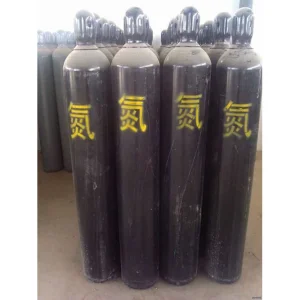
Classified under UN 1244 (Toxic liquids, flammable, corrosive, organic, n.o.s. / Methylhydrazine, Class 6.1, Sub-risk 3, 8, Packing Group I), cross-border freight requires UN-standardized pressure drums (DOT/IMDG standard 4BW/1A1 cylinders) under positive nitrogen pressure to prevent vapor ignition and toxic ambient release.
Whether servicing government-backed space exploration programs or cGMP pharmaceutical pipelines, suppliers must supply comprehensive material provenance. Yanxatech backs every metric ton with full multi-point GC spectra, ICP-MS heavy metal analyses, non-volatile trace assays, and historical control charts.
Strategic modernization of high-risk hydrazine derivatives through continuous micro-channel reactors and intelligent process automation.
Transitioning from traditional Raschig batch reactors to continuous micro-channel reactors dramatically minimizes in-process holdup volume of hazardous monochloramine intermediates. This enhances thermal heat removal, restricts toxic thermal runaway profiles, and delivers tighter polydispersity in reaction yields.
Advanced chemical engineering techniques are deployed to address high-salinity sodium chloride and caustic effluents generated during methylamine-chloramine condensations. High-efficiency membrane separation systems and closed-circuit evaporative salt recovery recover clean industrial water and minimize environmental footprints.
Implementation of industrial DCS/SCADA automation throughout continuous fractional distillation and automatic drum filling ensures precise vapor barrier protection. Automated inline NIR spectroscopy continuously monitors water thresholds and isomer distributions before material enters packaging lines.
Bridging Chinese chemical manufacturing capacity with Western corporate compliance, dangerous goods protocols, and custom supply agreements.
All batches undergo systematic quality control overseen by an independent QA/QC board. We provide authentic, lot-specific Certificates of Analysis (COA), full Technical Data Sheets (TDS), and 16-section compliant GHS Safety Data Sheets (SDS).
Shipped strictly in heavy-gauge UN1A1 or UN4BW pressure-tight cylinders lined with inert passivation layers. Packaged under clean argon or pure dry nitrogen headspaces to eliminate vapor oxidative degradation during multi-week ocean transit.
Our experienced logistics department manages all hazardous cargo documentation, including IMDG Multimodal Dangerous Goods Declarations, port toxic transit permits, export licenses, and direct coordination with designated Class 1/6 dangerous goods carriers.
We routinely support pre-shipment sampling, split-lot verifications, and analytical audits conducted by international inspection organizations (SGS, Intertek, or TÜV) to certify assay thresholds and impurity limits prior to vessel loading.
Clear, definitive answers to questions surrounding regulatory classifications, stability, logistics, and supply guarantees.
Direct supply of advanced chemical synthesis precursors, functional rubbers, and fine inorganic salts from audited production assets.