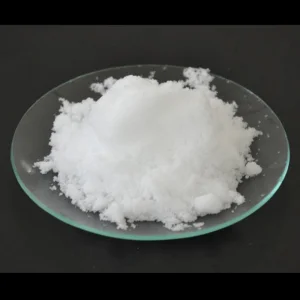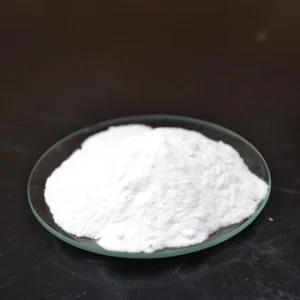


Explore our specification-verified chemicals, polymer modifiers, and specialized metallic solutions manufactured under stringent international criteria.

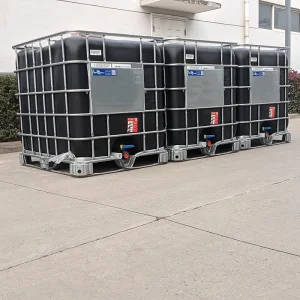
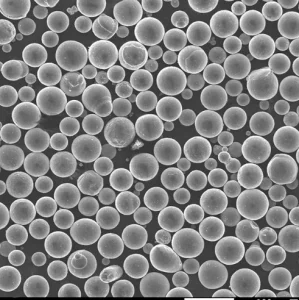
Cobalt(II) Nitrate Hexahydrate (Chemical Formula: Co(NO3)2·6H2O | CAS Registry Number: 10026-22-9 | UN Classification: 1477, Class 5.1 Oxidizing Substance) is a critical inorganic precursor foundational to cutting-edge catalytic engineering, electrochemical energy storage platforms, advanced ceramic colorants, and specialized surface treatment matrices. In global manufacturing ecosystems, the demand for consistent, high-purity crystalline cobalt nitrate has transitioned from traditional commodity commerce into precise metallurgical engineering.
Yanxatech System Industries Limited (YANXA) engineers commercial and electronic grades of cobalt nitrate through controlled nitric acid digestion of ultra-refined cobalt cathode scrap or refined cobalt hydroxide, coupled with multi-stage crystallization, continuous solid-liquid centrifugal separation, and climate-controlled drying loops. This rigorously designed synthesis flow mitigates critical contaminant vectors—including nickel (Ni), iron (Fe), copper (Cu), lead (Pb), and insoluble matter—guaranteeing rapid dissolution kinetics, stable pH metrics, and thermal decomposition profiles essential for high-throughput automated synthesis.
| Analytical Parameter | Industrial Reagent Grade | Electronic & Catalyst Grade | Analytical Protocol |
|---|---|---|---|
| Cobalt Content (Co) | ≥ 19.8% | ≥ 20.2% - 20.5% | EDTA Complexometric Titration |
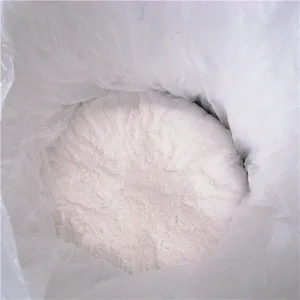
| Appearance & Morphology | Red-brown monoclinic prisms | High-purity deliquescent crimson crystals | Visual & Optical Microscopy |
| Water Insoluble Matter | ≤ 0.01% (100 ppm) | ≤ 0.003% (30 ppm) | Gravimetric Filtration Analysis |
| Iron (Fe) Impurity | ≤ 30 ppm | ≤ 5 ppm | ICP-OES / ICP-MS |
| Nickel (Ni) Impurity | ≤ 100 ppm | ≤ 20 ppm | Inductively Coupled Plasma Mass Spec |
| Lead (Pb) & Heavy Metals | ≤ 20 ppm | ≤ 5 ppm | Trace Heavy Metal Optical Emission |
| pH (50 g/L Solution, 25°C) | 3.0 – 5.0 | 3.5 – 4.5 | Potentiometric Glass Electrode |
Analyzing the functional integration of Co(NO3)2·6H2O across diversified industrial and geographic clusters.
Cobalt nitrate acts as an elite liquid precursor for impregnating gamma-alumina (γ-Al2O3), silica, or titania carriers. Upon calcination and reduction, it yields highly dispersed cobalt crystallites essential for Fischer-Tropsch synthesis (converting syngas to clean liquid hydrocarbons) and hydrodesulfurization (HDS) catalyst systems used extensively by petro-refining complexes in North America, the Gulf Coast, and East Asia.
Serving as a baseline cobalt donor for specialized co-precipitation pathways, cobalt nitrate enables the atomic-level synthesis of layered oxide cathodes (NCM/NCA chemistry). In emerging solid-state battery initiatives across Western Europe and Japan, ultra-low sodium and chloride cobalt nitrate prevents localized dendritic growth, optimizing cycle stability and volumetric energy density in electrified transport networks.
The porcelain, decorative tile, and technical glass industries leverage cobalt nitrate's pyrolytic breakdown to produce the iconic Thénard's Blue (cobalt aluminate) and Rinman's Green (cobalt zincate). Furthermore, its deliquescent color-transition mechanism provides precise formulation baselines for moisture-indicating silica gels, cryptographic security markers, and clandestine inks.
China commands the predominant share of the world’s refined cobalt processing, refining over 70% of intermediate hydroxide feedstocks. Sourcing cobalt nitrate directly from specialized Chinese manufacturing nodes offers international procurement departments unmistakable tactical advantages:
The global cobalt trade is undergoing rapid structural realignments driven by stringent ESG obligations and carbon accounting frameworks. Emerging roadmaps highlight significant transitions:
Precision dangerous-goods protocol from synthesis floor to final intermodal container yard.
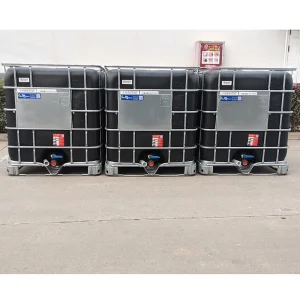
Classified under UN 1477 (Nitrates, inorganic, n.o.s., Class 5.1, Packing Group II/III). Shipments are secured in UN-approved 25 kg poly-lined woven bags, fiber drums, or 1000 kg big bags featuring heavy-gauge polyethylene inner liners heat-sealed to prevent deliquescence and moisture ingress during transoceanic transit.
Every consignment is accompanied by fully aligned GHS Safety Data Sheets (16 sections), batch-specific Certificates of Analysis (COA), IMO-compliant Dangerous Goods Declarations (DGD), and verified non-radioactivity certificates to guarantee seamless customs clearance across European, American, and Asian ports.
YANXA assists tier-one chemical formulators with localized safety inventory reserves, split-container delivery options, and flexible incoterms (FOB, CIF, CFR, DDP) supported by our experienced multimodal maritime freight agents specializing in hazardous chemistry logistics.
Straightforward answers regarding product specs, dangerous goods handling, minimum orders, and supply commitments.
Broaden your industrial formulation requirements with YANXA’s complementary portfolio of precision chemistry products.