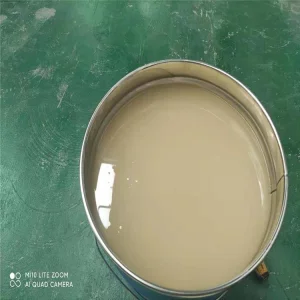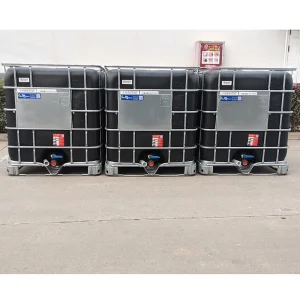





Dimer Diisocyanate (CAS 68239-06-5), universally designated as DDI, is a unique, long-chain aliphatic diisocyanate derived from C36 dimerized fatty acids. Unlike conventional aromatic diisocyanates (TDI, MDI) or short-chain aliphatic counterparts (IPDI, HDI), DDI exhibits a non-volatile, highly flexible hydrocarbon backbone that delivers extraordinary hydrolytic stability, ultra-low physiological toxicity, and cryogenic elasticity.
Constructed from high-purity dimerized oleic and linoleic acids, DDI features an aliphatic core spanning 36 carbon atoms. This bulky steric structure insulates the terminal isocyanate (-NCO) groups, effectively depressing reaction velocity and preventing rapid, unmanageable exotherms during urethane chain extension.
Standard monomeric isocyanates present severe respiratory sensitization hazards due to elevated vapor pressures. DDI possesses a negligible vapor pressure at ambient processing temperatures (< 0.001 mm Hg at 25°C), drastically improving plant-floor occupational health and simplifying VOC emission compliance.
The dense, non-polar aliphatic hydrocarbon shielding forms a hydrophobic boundary layer around cured urethane linkages. Polyurethanes crosslinked with DDI retain tensile strength after prolonged boiling-water immersion and sustain glass transition temperatures (Tg) below -55°C.
| Analytical Parameter | Certified Standard Range | Test Methodology | Procurement Significance |
|---|---|---|---|
| Chemical Nomenclature | Dimer Diisocyanate (DDI 1410) | IUPAC Rules | CAS Registry Number: 68239-06-5 |
| Isocyanate (-NCO) Assay | 13.80% – 14.50% w/w | ASTM D2572 (Di-n-butylamine Titration) | Dictates stoichiometric curing ratio with polyols/resins |
| Active Monomer Purity | ≥ 98.5% (Dimer content) | High-Performance GPC / Gel Permeation | Guarantees minimal trimer/monomer variance |
| Kinematic Viscosity (25°C) | 120 – 180 mPa·s (cP) | Brookfield Rotational Viscometry | Ensures solvent-free casting and low-viscosity potting |
| Total Hydrolyzable Chlorine | ≤ 0.05% (500 ppm max) | Potentiometric Titration (ASTM D4663) | Critical for microelectronics and energetic propellants |
| Water Content (Karl Fischer) | ≤ 0.03% (300 ppm) | Coulometric Titration (ASTM D6304) | Prevents premature prepolymerization and CO2 degassing |
| Color Value | ≤ 2.0 Gardner | ASTM D1544 Colorimetric | Demanded for optical-grade non-yellowing topcoats |
The commercialization of dimer diisocyanate historically faced severe barriers outside China due to concentrated patent controls and fragile feedstocks. Modernized Chinese manufacturing hubs have solved these challenges through end-to-end oleochemical integration, advanced continuous-fractionation setups, and high-efficiency molecular distillation.
Chinese industrial parks integrate the full sequence from vegetable oil-derived fatty acid dimerization to diamine intermediate conversion and final non-phosgene/phosgene-regulated isocyanation. This vertical structure dampens upstream price volatility and assures continuous supply runs unaffected by regional feedstock bottlenecks.
Purification of C36 structures requires thermal exposure control to prevent side-chain trimerization. Chinese production lines employ multi-stage wiped-film short-path distillation operating at ultra-high vacuum (< 0.1 Pa), yielding exceptional monomer uniformity with low Gardner color scores.
For advanced propellants and reactive hot-melt polyurethanes, variation in isocyanate equivalent weight (IEW) disrupts stoichiometric ratios. Our partner facilities enforce computerized distributed control systems (DCS) to govern -NCO titrations within a razor-thin ±0.15% margin.
International chemical enterprise buyers face rigorous qualifying audits when sourcing specialty isocyanates overseas. Yanxatech enforces systematic quality assurance gates to eliminate supply risks across chemistry, packaging integrity, and trans-oceanic shelf life.
DDI synthesis can inadvertently yield trimer isomers, poly-functional oligomers, and residual mono-isocyanates if thermal profiles diverge. Our procurement audits verify gel permeation chromatography (GPC) curves for every bulk lot to ensure the monomer fraction matches precise structural performance demands.
Ionic and hydrolyzable chloride residues inhibit catalyst reactivity (such as DBTDL or bismuth carboxylates) and accelerate corrosion in electrical applications. Yanxatech limits hydrolyzable chlorides below 50 ppm for mission-critical electronic and defense aerospace orders.
Because free -NCO groups react irreversibly with atmospheric moisture to produce urea crosslinks and gaseous CO2, DDI is packaged exclusively inside UN-approved, fluorinated or epoxy-phenolic lined steel drums, completely blanketed with ultra-dry nitrogen gas (< 5 ppm dew point).
Cross-referencing equivalent weight, viscosity limits, and catalyst responsiveness.
Dispatch of 250g–1kg sealed sample containers accompanied by verified lot COA.
Automated factory batch charging under strict environmental moisture control.
Independent validation (SGS, CIQ) of NCO content, metals, and chloride assay.
Class-compliant packaging, GHS labeling, and expedited port-of-entry customs routing.
Thanks to its distinctive hydrophobic, low-toxicity, and non-crystallizing C36 chain, DDI serves as an indispensable specialty crosslinker across specialized engineering sectors.
In solid composite propellants, DDI operates as a low-sensitivity curing agent paired with Hydroxyl-Terminated Polybutadiene (HTPB) or high-energy polyethers. Its slow reaction rate extends slurry pot life, decreases compounding viscosity, and produces elastomer matrices that withstand extreme thermal fluctuations without embrittlement or micro-cracking.
When reacted with textile softening agents or formulated into fluorocarbon-free water-repellent emulsions, DDI links durable hydrophobic segments directly to cellulosic or synthetic microfibers. It imparts a luxurious hand feel, excellent washing durability, and dry-clean resistance without yellowing under intense UV exposure.
Subsea acoustic sensors, junction boxes, and naval cables demand encapsulation compounds that resist continuous moisture migration and cathodic delamination. DDI-cured polybutadiene urethanes exhibit dielectric breakdown strengths exceeding 20 kV/mm and zero swelling under saltwater immersion.
Navigating global chemical border controls requires comprehensive regulatory dossiers. Yanxatech pairs competitive factory supply with thorough international compliance frameworks.
We provide full chemical identity documentation, SDS formatted in multiple languages according to GHS Rev. 8, and downstream user exposure assessments to guarantee smooth import declarations across the European Economic Area, North America, and Asia-Pacific ports.
Although DDI poses significantly lower toxicity hazards than short-chain isocyanates, international transport authorities classify specialty reactive monomers under clear maritime regimes. Shipments are supported by IMDG/IATA certificates, drop-tested UN steel packaging, and complete marine pollutant declarations.
Our bilingual chemical engineering specialists support customer R&D teams during pilot trials. We assist with stoichiometric balance calculations, compatibility modeling with novel bio-polyols, and catalyst dosage optimization to ensure smooth line transition.
Accelerated carbon-neutral initiatives and stringent chemical safety policies are transforming global isocyanate procurement. DDI stands at the center of three major industrial transitions over the coming decade.
Automotive OEMs and electronics brands are targeting net-zero carbon footprints. Because DDI's C36 structure originates from renewable vegetable fatty acids (dimer acids), it enables polyurethane formulations containing more than 80% bio-based carbon content without sacrificing mechanical strength or weathering resistance.
Regulatory restrictions under REACH Annex XVII continue to limit occupational and consumer exposure to volatile free diisocyanates (TDI, HDI). DDI's negligible vapor pressure makes it the preferred non-hazardous alternative for reactive hot melts, fabric coatings, and sports footwear adhesives.
Modern launch vehicle solid boosters require propellants capable of functioning across wider thermal windows without binder separation. Continued research into DDI/HTPB and DDI/glycidyl azide polymer (GAP) blends confirms DDI as a critical strategic material for long-term orbital propellant stability.
Detailed technical, logistical, and commercial answers for chemical procurement officers and material formulation engineers.