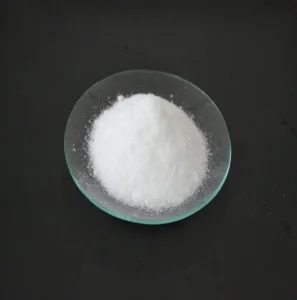
High-specification performance materials supplied globally with audited batch COA, full SDS documentation, and specialized dangerous-goods handling.


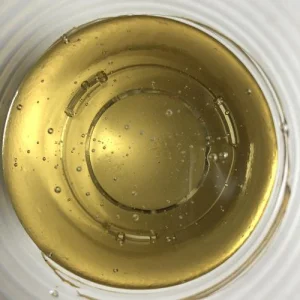


Hydroxylamine Nitrate ([NH3OH]NO3, CAS: 13465-08-2) is redefining modern chemical energetics. Long recognized as an energetic ionic salt, HAN is experiencing exponential demand driven by the global transition away from carcinogenic hydrazine derivatives toward "Green Propellants" (AF-M315E / ASCENT class formulations).
In aerospace propulsion, HAN-based aqueous blends provide 50% higher volumetric impulse and 10% greater specific impulse over traditional anhydrous hydrazine. HAN non-cryogenic blends eliminate extreme toxicity handling protocols, slashing ground launch operations budgets by more than 40% globally.
As civilian nuclear power expands worldwide, HAN serves as an indispensable reductive stripping agent for partitioning Plutonium (Pu(IV) to Pu(III)) from Uranium in advanced aqueous PUREX processes. It leaves zero metallic ash or residue, simplifying subsequent waste vitrification.
High-purity HAN aqueous solutions operate as specialized clean-burning gas generators in emergency automotive airbags, submarine buoyancy mechanisms, deep-sea exploration ballast purge charges, and micro-satellite orbital attitude adjustment units.
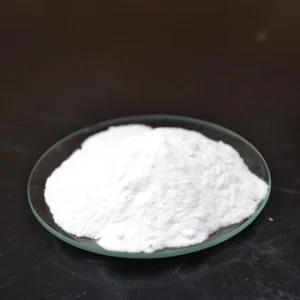
Hydroxylamine Nitrate is delivered predominantly as a stabilized aqueous solution (concentration 13% to 82% depending on user application safety constraints). Solid crystalline flakes are vacuum crystallized for specialized chemical coupling.
| Analytical Parameter | Propellant & Aerospace Grade | Nuclear Reprocessing (PUREX) Grade | Industrial Reagent Grade |
|---|---|---|---|
| Assay (HAN Content, w/w) | 79.0% - 82.5% Aqueous | 2.0M - 3.5M (~20% - 35%) | ≥ 98.0% (Solid Flake) / 50% Sol |
| Free Nitric Acid (HNO3) | ≤ 0.05% | 0.10% - 0.50% (Custom Buffering) | ≤ 0.20% |
| Chloride (Cl⁻) | ≤ 5 ppm | ≤ 10 ppm | ≤ 20 ppm |
| Sulfate (SO₄²⁻) | ≤ 5 ppm | ≤ 20 ppm | ≤ 50 ppm |
| Heavy Metals (as Pb) | ≤ 1 ppm | ≤ 5 ppm | ≤ 10 ppm |
| Iron (Fe) Content | ≤ 0.5 ppm | ≤ 2 ppm | ≤ 5 ppm |
| Thermal Decomposition Onset | 120°C - 135°C (Differential Scanning) | 115°C - 125°C | 110°C - 120°C |
| UN Transport Classification | UN 3139 / Class 5.1 (Oxidizing Liquid) | UN 3264 / Class 8 (Corrosive Liquid) | UN 3139 / Class 5.1 |
Trace transition metal ions—specifically Fe2+/Fe3+, Cu2+, and Ni2+—catalyze premature autocatalytic exothermic runaway of concentrated Hydroxylamine Nitrate. China-based precision factories implement fluoropolymer (PTFE/PFA) lined distillation systems and inert gas-blanketed crystallization loops to secure parts-per-billion (ppb) level heavy metal limits for rocketry monopropellants.
Producing hazardous, high-purity inorganic nitrates demands integrated chemical complexes, comprehensive downstream feedstocks, and mature continuous process safety engineering. Chinese manufacturing centers deliver structural competitive edges.
Unlike obsolete multi-batch neutralization methods between hydroxylamine sulfate and barium nitrate (which leave problematic residual BaSO₄ precipitates), leading Chinese manufacturing centers employ continuous electrochemical reduction of nitric acid or micro-channel catalytic hydrogenation. This yields high throughput, zero salt-slag contamination, and ultra-high chemical purity.
China retains world-leading manufacturing capacity for fundamental chemical precursors including synthetic ammonia, high-grade fuming nitric acid, and sulfur-free hydrogen. This upstream integration isolates HAN production from global raw material shocks and provides pricing stability unavailable in Western niche facilities.
Exothermic energetics necessitate state-of-the-art process safety. China's latest industrial chemistry guidelines enforce continuous micro-channel reactors and real-time distributed control systems (DCS). Reaction volumes at any single millisecond remain minimal, virtually eliminating thermal hazard propagation and maintaining continuous production runs.
Hydroxylamine Nitrate acts as both a specialized strong reducing agent in high-acid solutions and an energetic oxidizer in stoichiometric monopropellant formulations.
In satellite orbital maneuvering thrusters and deep-space cubesat propulsion systems, HAN is blended with oxidizers/fuels such as Hydroxyethylhydrazinium Nitrate (HEHN), Ammonium Nitrate (AN), or Triethanolammonium Nitrate (TEAN) and water. These blends offer high density specific impulse (exceeding 230 seconds), reduced freezing points, and room-temperature storage stability.
Within fuel reprocessing cycles, HAN selectively and rapidly reduces Tetravalent Plutonium [Pu(IV)] to Trivalent Plutonium [Pu(III)] in nitric acid matrices without reducing Hexavalent Uranium [U(VI)]. Since the end decomposition products of HAN are simply nitrogen gas (N₂), nitrous oxide (N₂O), and water, the process avoids secondary salt accumulation in high-level liquid waste (HLLW).
Formulated in ultra-high purity grades with sub-ppb metal levels, aqueous HAN blends serve as effective post-etch photoresist strip additives and wafer cleaning agents, selectively reducing transition metal surface residues without attacking sensitive dielectric copper barriers.
When co-crystallized or incorporated as a liquid oxidizer plasticizer into crosslinked energetic binders, HAN enhances propellant burning rates and cleans up exhaust signatures compared to classic Ammonium Perchlorate (AP), eliminating toxic hydrogen chloride (HCl) acid clouds on rocket liftoff.
As commercial space flight programs transition from prototyping to mass orbital constellation deployments, enterprise purchasing criteria for Hydroxylamine Nitrate have shifted fundamentally.
Historical aerospace procurement operated on 50 kg research lots. Today, commercial satellite mega-constellations demand multi-ton supply contracts with verifiable batch-to-batch homogeneity, low standard deviations on acid value, and long-term price hedging.
With international maritime regulations tightening classification of energetic oxidizers, buyers require manufacturers with end-to-end dangerous goods export approvals, UN-certified packaging (31HA1 composite intermediate bulk containers or PTFE-lined UN drums), and IMDG/IATA compliant documentation.
Instead of handling pure, highly concentrated HAN (which carries higher transport sensitivity), international buyers increasingly contract qualified Chinese suppliers to formulate pre-mixed, temperature-stabilized propellants directly at the reactor site under inert conditions.
Handling energetic and sensitive inorganic nitrates requires uncompromising compliance with international material handling standards.
In-line FTIR spectroscopy and continuous refractometry continuously monitor conversion rates, preventing residual hydroxylamine free base and minimizing excess free nitric acid.
Every commercial production batch undergoes strict elemental trace testing targeting 28 distinct metallic impurities. Transition catalyst remnants (Fe, Cr, Ni, Cu) are held under strictly certified sub-ppm thresholds.
Thermal stability and exothermic decomposition profiles are validated on sealed high-pressure gold crucibles, ensuring that activation energy parameters match the Certificate of Analysis (COA).
Packaging utilizes passivated, electro-polished stainless steel drums or high-density fluoropolymer lined UN-rated containers equipped with automatic pressure-relief degassing valves to prevent vapor pressure accumulation during international marine transit.
Essential operational, logistical, and technical insights for corporate buyers, research directors, and hazardous materials supply chains.
Explore our complementary portfolio of electronic gases, advanced liquid synthetic polymers, and performance metal powders engineered for mission-critical applications.