

Wholesale Pure nitrogen, High pure nitrogen, Ultra-pure nitrogen (N2) Supplier, Factories
Request Technical Specs


Core chemical formulations, compressed high-purity rare gases, and atomized performance powders engineered to rigorous manufacturing specifications.
Wholesale Pure nitrogen, High pure nitrogen, Ultra-pure nitrogen (N2) Supplier, Factories
Request Technical Specs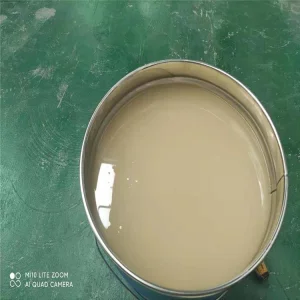
China Specialty polyether - medium molecular weight PET polyether Supplier, Suppliers
Request Technical Specs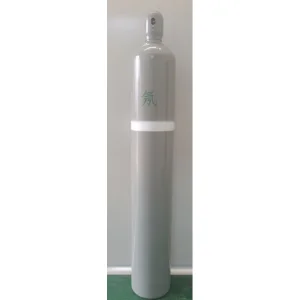
China Pure neon & High purity neon (Ne: 5N, 5.5N, 6N) Supplier, Suppliers
Request Technical Specs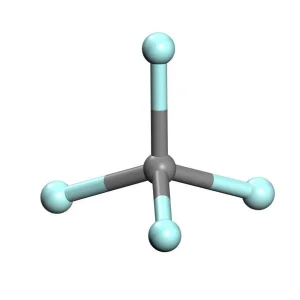
China Carbon Tetrafluoride Factory, Pricelist
Request Technical Specs
Wholesale Alloy powder Manufacturer, Factory
Request Technical Specs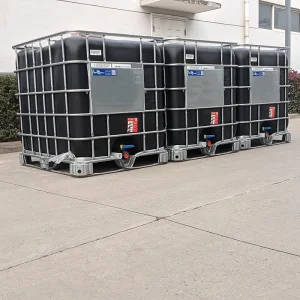
Wholesale Specialty Polyether-High Molecular Weight PET Polyether Pricelist, Quotes
Request Technical Specs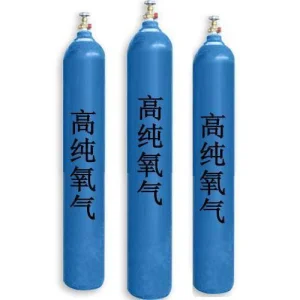
Wholesale Pure oxygen, High purity oxygen, Ultra-pure oxygen (O2) Supplier, Pricelist
Request Technical Specs
Wholesale High purity argon (Ar) Manufacturers, Pricelist
Request Technical SpecsIn-depth technical analysis on supply dynamics, raw dolomite reduction, gas atomization parameters, and the evolving role of magnesium powders in next-generation metallurgy and energy storage.
The worldwide push toward lightweighting in transportation sectors has propelled magnesium from an additive to a structural matrix metal. Modern steel production relies extensively on magnesium-based hot metal desulfurization, reducing sulfur levels below 0.001% (10 ppm) to facilitate the production of ultra-high-strength automotive sheet metals and ductile pipeline alloys.
Magnesium hydride (MgH2) synthesized directly from sub-45 micron atomized magnesium metal powder exhibits one of the highest theoretical gravimetric hydrogen storage capacities (7.6 wt.%). Global industrial trials in renewable microgrids and heavy logistics are actively evaluating nano-catalyzed spherical Mg powders for stationary, ambient-pressure hydrogen containment.
Pharmaceutical and agrochemical syntheses require strict batch-to-batch predictability in Grignard reagents (R-Mg-X). Active magnesium content, controlled surface oxide passivation, and tight particle morphology prevent dangerous thermal runaways in industrial jacketed reactors while accelerating halogen conversion rates.
Vertical upstream integration from dolomite quarries to inert-gas atomization delivers technical purity, unmatched cost resilience, and scale agility.
Over 80% of global primary magnesium originates from Shanxi, Shaanxi, and Ningxia, utilizing advanced Pidgeon silicothermic reduction. Sourcing directly from Yanxatech (YANXA) removes multiple trading tiers, guaranteeing unadulterated primary ingots for subsequent atomization and eliminating cross-contamination risks associated with scrap reprocessing.
Our production facilities utilize automated induction skull melting with closed-loop ultra-pure argon recirculating systems. This advanced fluid dynamic atomization prevents exothermic powder ignition, limits oxygen uptake during droplet disintegration to under 0.08%, and yields spherical geometries with optimal powder flowability (Hall flow rate ≤ 45 s/50g).
Magnesium powder represents hazardous materials under UN 1418 / UN 1869 (Class 4.3 substances which emit flammable gases when in contact with water). Our export protocol includes steel drum packaging with nitrogen blankets, internal antistatic barrier foils, and full maritime IMDG / ICAO compliant documentation for seamless transit through major global ports.
| Grade Designation | Active Mg Assay (%) | Particle Size (D50) | Morphology | Bulk Density (g/cm³) | Primary Industrial Use |
|---|---|---|---|---|---|
| YX-ATOM-SPH45 | ≥ 99.8% | 25–45 μm | Gas-Atomized Spherical | 1.05 – 1.15 | Additive Manufacturing & Aerospace Energetics |
| YX-GRIG-M100 | ≥ 99.5% | 75–150 μm | Nodular / Polished Flake | 0.70 – 0.85 | Grignard Organic Synthesis & Organometallics |
| YX-DS-COAT80 | ≥ 92.0% (Coated) | 180–350 μm | Granular / Passivated | 0.85 – 0.95 | Hot Metal Steel Desulfurization |
| YX-ALMG-5050 | Al:Mg (50:50 ±1%) | 45–180 μm | Spherical / Atomized | 0.95 – 1.05 | Pyrotechnic Flares & Energetic Material Matrices |
Review standard physical-chemical characteristics specified by material procurement officers across aerospace, defense, metallurgy, and advanced synthetic chemistry.
Coated magnesium granules injected pneumatically alongside pulverized lime into torpedo ladle cars react instantly with molten iron, binding sulfur into slag. Low apparent bulk density and moisture under 0.05% prevent catastrophic backfire spikes.
Combustion of spherical magnesium powder releases high thermal energy (24.7 MJ/kg) accompanied by high-intensity spectral emission. Strictly screened narrow D10/D90 margins ensure uniform burning velocities and prevent flash extinguishing.
Grignard reaction efficiencies in THF and diethyl ether rely directly on initial magnesium surface activation. Our clean-milled and argon-packaged powders maximize active metal contact while minimizing passive oxide film thicknesses.
For research and aerospace LPBF (Laser Powder Bed Fusion), our spherical powders exhibit high circularity (Sphericity ≥ 0.92) with low satellite formation, reducing voids in printed magnesium alloy structures.
Yanxatech operates in full compliance with ISO 9001 and ISO 14001, providing complete physical and chemical documentation traceable back to raw ingot melt batches.
Every production batch is measured via Malvern Mastersizer 3000 laser diffraction dry dispersion units. Verified D10, D50, and D90 parameters ensure accurate sieve retention compliance according to buyer specs.
Active metallic magnesium content is titrated via standardized hydrochloric acid gas-volumetric displacement methods (ASTM D4809 reference), differentiating free active magnesium from inactive oxide (MgO) or hydroxide coatings.
Packed in UN-certified 50 kg or 100 kg hermetically sealed steel drums lined with dual polyethylene liners, purged with dried nitrogen or argon, and equipped with cobalt-free relative humidity indicator strips.
Essential guidance covering packaging, storage, hazard control, chemical assays, and customs transit procedures.
Under pristine factory hermetic conditions (original UN steel drum with intact nitrogen or argon purge), our magnesium powder maintains specification stability for up to 24 months. Once opened, warehouse temperatures should remain between 15°C and 28°C with relative humidity below 40%. The product must be stored in dedicated hazardous chemical bunkers isolated from oxidizers, water sprinkler systems, halogenated solvents, and open flames.
Magnesium metal powder is classified under UN 1418 (Magnesium powder or magnesium alloys, powder, hazard Class 4.3, subsidiary risk 4.2, Packing Group II). Yanxatech coordinates with certified hazardous maritime lines (IMDG Code). We supply valid UN-approved packaging certificates, formal GHS Safety Data Sheets (SDS in 16 standardized sections), Certificate of Origin (COO), and third-party inspection reports (e.g., SGS, CCIC) prior to vessel departure.
Yes. By adjusting ultrasonic atomization nozzle pressure, induction melt flow rates, and secondary air-classifier cut points, our facility produces narrow cuts such as 15–45 μm, 20–63 μm, or 45–105 μm. Every specialized production batch includes a cumulative volume distribution curve showing D10, D50, D90, and Hausner flow ratio verifications.
Mechanically milled powders exhibit irregular, flake-like, or jagged splinter geometries with high internal strain and increased surface area, making them ideal for steel desulfurization and standard chemical reaction rates. Inert gas-atomized powders yield smooth, spherical beads with low specific surface area, high bulk density, minimal satellite particles, and superior flowability, making them optimal for additive manufacturing and energetic applications.
For standard steel desulfurization grades or commercial nodular magnesium powders, our factory MOQ is typically 1,000 kg (1 metric ton) packed on export-ready palettes. For specialized gas-atomized 3D printing grades or custom Al-Mg alloy formulations, trial evaluations can be initiated with 50–100 kg test quantities. Production lead times average 14–21 business days upon contract finalization.
Explore our complete export catalog, spanning functional synthetic elastomers, nitrated precursors, and specialized dielectric shielding gases.
Wholesale Electronic helium Manufacturer, Manufacturers
Request Technical Specs
Wholesale Zinc Flake Powder Supplier, Pricelist
Request Technical Specs
Wholesale Lithium Nitrate Manufacturer, Manufacturers
Request Technical Specs
Wholesale Argon gas for electronic industry (Ar) Manufacturers, Suppliers
Request Technical Specs
China High-purity krypton & Ultrapure krypton (Kr: 5N, 5.5N, 6N) Manufacturer, Manufacturers
Request Technical Specs
China Liquid Rubber-Random Carboxy Nitrile Butadiene Rubber (L-XNBR) Supplier, Quotes
Request Technical Specs
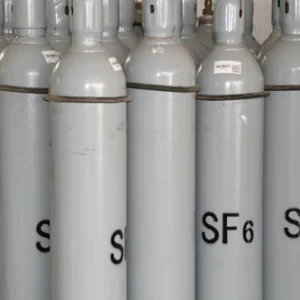
China Sulfur Hexafluoride Manufacturers, Supplier
Request Technical Specs