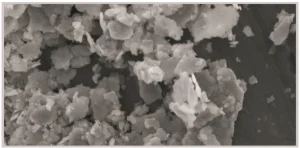
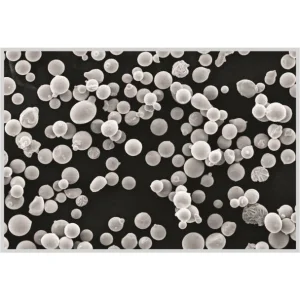
Factory-direct supply lines covering aerospace monopropellants, polymer curing agents, spherical metal alloys, and ultra-high-purity gases. Every batch complies with ISO 9001 and strict UN Model Regulations.
Navigating technical barriers, regulatory constraints, and high-barrier supply networks for CAS 60-34-4 across global aerospace, defense, and pharmaceutical syntheses.
Monomethylhydrazine (MMH, CH3NHNH2) serves as an hypergolic storable liquid fuel pairing with dinitrogen tetroxide (N2O4) oxidizers. Its thermal stability, lower freezing point (-52.4°C), and resistance to thermal shock make it irreplaceable in orbital maneuvering thrusters and reaction control systems (RCS).
The Material Safety Data Sheet (MSDS) for MMH is not mere boilerplate documentation; it is an active engineering safeguard. Covering exposure limits (TLV-TWA 0.01 ppm ACGIH), acute vapor toxicity, carcinogenicity risk evaluations, and strict emergency suppression procedures, SDS compliance dictates terminal survival in hazardous plants.
Primary synthetic capacity remains concentrated among highly licensed defense chemical infrastructure in China, Europe, and the US. Accessing audited MMH requires end-user validation, verifiable dual-use licensing compliance, and hermetically sealed stainless steel transfer hardware rated for toxic hypergolic cargo.
Technical evaluation criteria benchmarked for propellant engineering teams, military spec compliance (MIL-PRF-27404), and pharmaceutical fine chemical synthesis.
| Analytical Parameter | Propellant Grade (Standard MIL-PRF) | High-Purity Fine Chemical Grade | Test Methodology Verification |
|---|---|---|---|
| Monomethylhydrazine Assay (wt%) | ≥ 98.3% | ≥ 99.0% | Gas Chromatography (GC-FID) / Acidimetry |
| Water (H2O) Content (wt%) | ≤ 1.5% | ≤ 0.5% | Karl Fischer Coulometric Titration |
| Total Soluble Impurities / Inorganics | ≤ 0.2% max | ≤ 0.05% max | Inductively Coupled Plasma (ICP-MS) |
| Density @ 20°C (g/cm³) | 0.874 ± 0.003 | 0.874 ± 0.002 | Digital Oscillating U-tube Densitometer |
| UN Dangerous Goods Class | Class 6.1 (Toxic), Sub-Risk 3 (Flammable), 8 (Corrosive) | Class 6.1, Sub-Risk 3, 8 | UN Model Regulations / Orange Book Manual |
| Cylinder & Vessel Metallurgy | Titanium or Passivated 304L/316L Stainless | High-Integrity 316L Electro-Polished Tanks | Helium Leak Checked (< 1×10⁻⁸ mbar·l/s) |
From apogee kick motors to heterocyclic synthesis intermediates, our integrated chemical infrastructure solves technical volatility.
MMH is the primary propellant for spacecraft orbital velocity adjust systems and GEO satellite station-keeping. It eliminates ignition delays through instantaneous hypergolic reaction when blended with nitrogen tetroxide oxidizers.
Beyond propulsion, MMH serves as a pivotal chemical synthon for constructing methyl-substituted pyrazole and triazole rings used in active pharmaceutical ingredients (APIs), including therapeutic antineoplastic agents and psychoactive pharmaceuticals.
Applied as a versatile intermediate for specialized plant protection agents, pyrazole-based herbicides, and fungicides requiring exacting carbon-nitrogen stereocenters under rigorously managed reaction calorimetry.
Through Yanxatech System Industries Limited (YANXA), export deliveries integrate certified UN T14 ISO portable tanks or custom pressure cylinders with closed-loop dry-break coupling, accompanied by bilingual GHS SDS documentation.
Examining the evolution of energetic liquid systems and regulatory developments shaping volatile chemical procurement over the next two decades.
Traditional Raschig-based batch synthesis of monomethylhydrazine generates elevated waste volumes and safety risks. Leading Chinese manufacturing clusters are shifting to microchannel continuous flow reactors, mitigating runaway thermal risks and elevating assay yield consistency.
While ionic liquid propulsion (such as AF-M315E / LMP-103S) progresses, MMH remains unmatched in high-thrust density, cold-vacuum reliability, and immediate ignition response, safeguarding its sustained dominance in lunar landers, upper stages, and heavy geostationary satellites through 2040.
European REACH compliance dossiers and OSHA occupational guidelines are tightening personal exposure metrics. In response, YANXA provides comprehensive MSDS/SDS dossiers that include custom scrubbed handling protocols, leak detection methods, and neutralizers (hypochlorite solutions).
Technical answers addressing procurement inquiries from chemical engineers, hazardous logistics managers, and defense research directors.
Reliable wholesale chemicals, polymer precursors, rare gases, and metal nitrates manufactured for global industrial deployment.