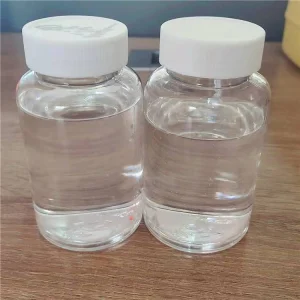
Engineered raw chemical materials and high-purity inputs verified for mission-critical industrial formulations.








A systematic market analysis of Ethylene Oxide (EO) feedstocks, molecular weight segmentation, and quarterly wholesale price structures.
| Polymer Grade | Physical Form (25°C) | Dynamic Viscosity / Molar Mass | Primary Industrial Sector | Benchmark Price Range (USD/MT) | Standard Export Packaging |
|---|---|---|---|---|---|
| PEG 200 / 400 | Viscous Clear Liquid | 190–210 / 380–420 g/mol | Resins, Agro Inerts, Plasticizers | $1,380 – $1,650 | 200kg Steel Drum / 1000kg IBC |
| PEG 600 / 1000 | Semi-Solid Paste / Waxy | 570–630 / 950–1050 g/mol | Textile Processing, Lubricants | $1,450 – $1,780 | 200kg Drum / Heated ISO Tank |
| PEG 3350 / 4000 | White Flakes / Powder | 3015–3685 / 3600–4400 g/mol | USP Laxatives, Tablet Binders | $1,850 – $2,300 | 25kg Multi-Wall Valve Bag |
| PEG 6000 / 8000 | Micro-Crystalline Flakes | 5400–6600 / 7000–9000 g/mol | Ceramic Binders, Battery Cells | $2,050 – $2,550 | 25kg Polyethylene Lined Bag |
| PEG 20000+ | Free-Flowing Granules | 18000–25000 g/mol | Hydrogels, Rheology Modifiers | $2,400 – $3,100 | Cardboard Drum w/ Alu Liner |
*Pricing reflects global CFR/FOB bulk container averages (Q1/Q2 evaluation). Actual quotations vary according to EO spot market indices, packaging, and regulatory certification levels.
How versatile non-ionic polyether polyols optimize high-performance manufacturing, polymer processing, and pharmaceutical delivery.
Low-molecular-weight PEGs function as essential flexible segments in polyurethane elastomers, modifying glass transition temperatures ($T_g$) and enhancing tensile elongation.
High-purity solid PEGs provide superior biocompatibility, minimal toxicity, and precise solubility regulation for oral dosages, ointments, and parenteral formulations.
High molecular weight flake variants (PEG 6000–8000) are utilized as clean-burning temporary binders that vaporize without carbon residues during sintering.
Understanding regional manufacturing concentration, raw material integration, and international procurement risks.
Over 55% of global PEG synthesis is concentrated in integrated petrochemical complexes across Mainland China and East Asia, leveraging continuous EO pipeline linkages to minimize freight costs and lead times.
Because Ethylene Oxide cannot be transported over long distances due to hazardous gas explosion profiles, wholesale PEG pricing is directly pegged to upstream regional steam-cracker operational rates.
Manufacturing facilities are rapidly upgrading to low-carbon catalytic ethoxylation reactors, reducing heat input and standardizing batch cycle times to comply with strict export scope-1 and scope-2 carbon boundaries.
Western reliance on legacy manufacturers is transforming as qualified Asian chemical producers achieve EP, USP, and JP compendial compliance with verified 1,4-Dioxane limits under 1 ppm.
Ensuring smooth customs clearance and downstream manufacturing safety through rigorous auditing and analytical verification.
Batch-level testing verifies strict adherence to USP-NF, European Pharmacopoeia (Ph. Eur.), and Food Chemicals Codex (FCC) standards. Gas chromatography documentation verifies residual EO and 1,4-Dioxane trace levels far below statutory safety thresholds.
All polymer lots feature full REACH registration dossiers for European importers, compliant US TSCA inventory listing, and multilingual GHS-standard Safety Data Sheets (SDS) backed by accredited toxicological studies.
Low-melting grades (PEG 600–1500) demand rigorous dynamic route temperature management. We deploy nitrogen-blanketed ISO tanks and desiccated, moisture-barrier multiwall bagging to prevent hygroscopic agglomeration during long transit routes.
Strategic advancements reshaping raw material synthesis, circular economy adoption, and nano-scale applications.
Pioneering manufacturers are transitioning from petroleum cracking to bio-ethanol dehydration routes. The resulting drop-in bio-PEG variants decrease the product carbon footprint (PCF) by up to 60%, matching corporate decarbonization commitments without altering material formulations.
Traditional industrial PEGs maintain a polydispersity of 1.05 to 1.15. Next-generation metal-free organic catalytic systems enable precision narrow-distribution polymers with a PDI below 1.02, delivering predictable melting points and dissolution rates for microelectronics and advanced therapeutics.
Cross-linked high-molecular PEG network matrices are emerging as leading candidates for all-solid-state lithium batteries. Their high ether-oxygen coordination capability enables rapid lithium-ion dissociation, resolving thermal runaway dangers inherent to volatile liquid organic carbonate solvents.
Direct technical answers addressing purity verifications, MOQ terms, shipping conditions, and testing requirements.
Polyethylene glycols transition from clear viscous liquids (MW 200–600) to waxy pastes (MW 800–1500) and hard, crystalline white flakes or powders (MW 2000–20000+). Liquid grades are preferred for solvents, plasticizers, and hygroscopic moisture-retention formulations, whereas solid grades serve as structural binders, tablet lubricants, and meltable matrix bases.
Every commercial export lot is accompanied by an authenticated batch Certificate of Analysis (COA) specifying Hydroxyl Value, Molecular Weight distribution, Dynamic/Kinematic Viscosity, Water Content (Karl Fischer ≤ 0.2%), Acidity/Alkalinity, and Color Index (APHA ≤ 20). USP/Ph. Eur. grades also report GC testing limits for Ethylene Glycol, Diethylene Glycol, and Dioxane.
Standard export MOQs are single full container loads (FCL), typically 16.0 MT for palletized bags/drums or 20.0 MT for unpalletized configurations. Liquid grades ship in 200kg drums, 1000kg IBCs, or 24,000L ISO bulk tanks. Solid flake and powder forms ship in 25kg PE-lined valve bags or big bags (500kg/1000kg).
PEGs are inherently hygroscopic and prone to gradual thermal oxidation when exposed to atmospheric oxygen and moisture. Inventory should be warehoused below 30°C in airtight containers, away from direct ultraviolet radiation. High-specification pharma lots incorporate an inert nitrogen blanket inside drums to ensure up to 24–36 months of chemical shelf-life stability.
Comprehensive supply lines of industrial chemical additives, high-purity salts, and advanced functional metals.