
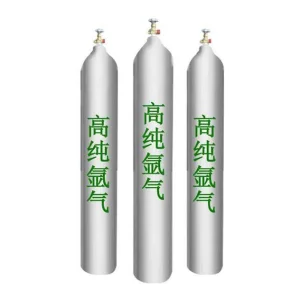


Verified production lots engineered for pyrotechnics, semiconductor electronics, thermal spray coatings, and specialized structural formulations.

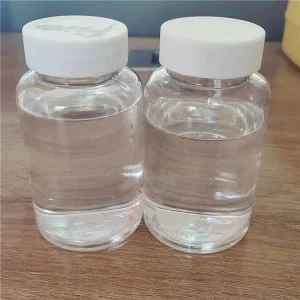
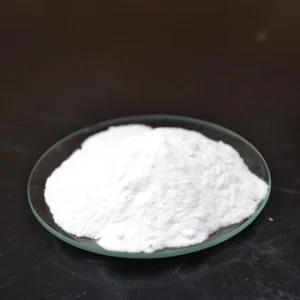

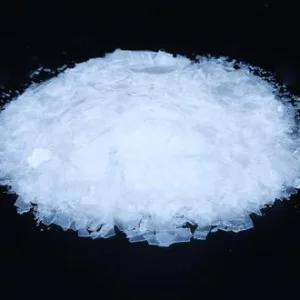
In the transition toward next-generation additive manufacturing (AM), metal injection molding (MIM), and reactive energetics, the morphological accuracy of spherical metal powders determines application viability.
Utilizing high-pressure vacuum induction melting and ultra-pure inert gas atomization (VIGA/EIGA), our manufacturing ecosystem ensures sphericity coefficients exceeding 92%. This directly minimizes micro-satellite adhesion and virtually eliminates intra-particulate gas porosity.
By enforcing narrow Gaussian particle distributions (D10, D50, D90) calibrated via laser diffraction, powder formulations exhibit exceptional Hall flow rates (<20s/50g) and optimized apparent tap density, critical for consistent laser powder bed fusion (LPBF).
Specialized passivation regimes and protective gas packaging limit interstitial oxygen content (<150 ppm in critical titanium and aluminum matrices), mitigating cold-welding tendencies and stabilizing ignition kinetics in propulsion systems.
| Alloy Powder Grade | Manufacturing Technology | PSD Range (D10–D90) | Sphericity (%) | Typical Applications |
|---|---|---|---|---|
| Al-Mg Binary Alloy | Inert Gas Atomization (Argon/N2) | 15 – 45 μm / 45 – 105 μm | ≥ 93.5% | Energetic materials, Pyrotechnics, Defense propulsion |
| Flake / Spheroidized Zn-Al | Gas Atomized & High-energy Milling | 20 – 63 μm | ≥ 88.0% | Anti-corrosion coatings, Mechanical plating |
| High-Entropy Refractory Alloys | Plasma Rotating Electrode (PREP) | 15 – 53 μm | ≥ 98.2% | LPBF Additive Manufacturing, Aerospace turbine parts |
| Al-Si10-Mg Aerospace Grade | Vacuum Induction Gas Atomization | 20 – 63 μm | ≥ 95.0% | Lightweight thermal-load automotive brackets, Avionics |
Balancing scale, price advantage, and international technical compliance to de-risk material procurement across heavy industries.
Direct mine-to-refinery positioning in China allows continuous raw metal procurement (Al, Mg, Zn, Ti), completely shielding volume buyers from speculative international commodity market volatility.
Automated pneumatic transfer and inert multi-deck grading lines allow industrial scalability from trial 50 kg R&D pilot samples to steady 40-foot full container deliveries (FCL) without particle morphology deviations.
Every delivery conforms strictly to target ASTM, ISO, or military specifications, supported by complete multi-element ICP-OES chemical assays and full batch laser diffraction particle verification.
Spherical metal powders, energetic precursors, and pressurized industrial gasses require uncompromising chain-of-custody tracking.
Aluminum-magnesium and reactive metal powders are packaged according to UN Class 4.3 (water-reactive flammable solids), employing hermetically sealed steel drums purged with dried argon to eliminate ignition potential.
Expert export documentation covers Dangerous Goods Declarations (DGD), multi-language GHS-compliant Safety Data Sheets (SDS), and customs classification support (HS Code precision) to bypass maritime delays.
Our localized support engineers assist with powder handling protocols, inert storage design, and powder recycling loops directly with client safety engineers across Europe, Southeast Asia, and the Americas.
How structural lightweighting, space propulsion, and semiconductor electronics drive the specifications of atomized spherical metal powders.
Precisely graded spherical Al-Mg powders are fundamental in solid rocket propellant systems, optimizing combustion efficiency and thrust consistency through uniform burn front velocity.
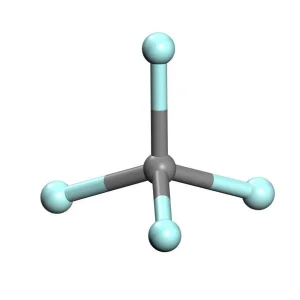
Spherical thermal-spray powders combined with ultra-pure reactive fluorine etching gases (such as CF4) ensure chamber integrity and particulate prevention during advanced wafer etching.
High-integrity Al-alloy powders fuel laser powder bed fusion (LPBF) additive manufacturing, reducing automotive structural node weights by up to 45% while retaining ultimate tensile strength.
Lamellar and spherical Zn-Al powders provide dual sacrificial anodic and mechanical barrier protection for offshore wind turbine foundations, fasteners, and heavy civil infrastructure.
Complete supply chain harmonization for metallurgical laboratories, additive facilities, and synthetic resin formulators.

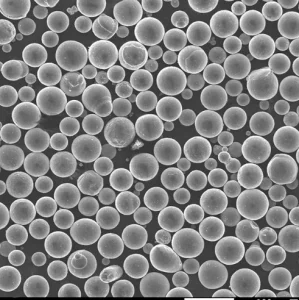

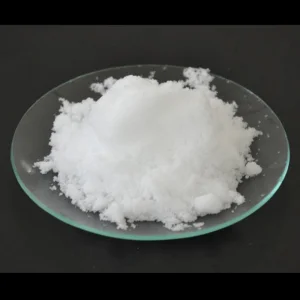


Clarifying technical, regulatory, and logistics inquiries for global procurement engineers.
Gas atomization utilizes high-velocity inert gas jets (argon or nitrogen) to disintegrate molten metal streams into microscopic spherical droplets that solidify in-flight. Unlike irregularly shaped or faceted powders made through milling or chemical precipitation, gas-atomized spherical particles feature smooth surfaces, low friction, minimal satellite particles, and exceptional flowability. This morphology is mandatory for additive manufacturing (LPBF, EBM) and thermal spray because it guarantees uniform layer recoating, high packing density, and consistent bulk melting kinetics without trapping internal voids.
Atmospheric interstitial element pick-up is strictly countered through a closed-loop vacuum melting and atomization regime. Production occurs under high vacuum followed by inert gas backfill with ultrapure argon (up to 6N / 99.9999% purity). After atomization, sieving, blending, and packaging are completed inside cleanroom glovebox environments with oxygen and moisture levels constantly monitored below 10 ppm, preserving low ppm elemental purity throughout storage and transit.
Yes. Our engineering facilities regularly execute bespoke vacuum induction melting batches. Beyond standard 50:50 or 60:40 Al-Mg formulations, we tailor dopant elements (such as Scandium, Zirconium, or Rare Earths) and optimize target particle size cutoffs (e.g., 0–25 μm, 15–53 μm, 45–105 μm) based on your application equipment parameters and laser/electron beam energy densities.
Metal powders containing high reactive contents (such as aluminum, magnesium, or zinc) fall under UN Model Regulations Class 4.3 (substances which in contact with water emit flammable gases) or Class 4.1. Shipments are packed in heavy-duty UN-approved steel drums with anti-static barrier bags, desiccant packs, and inert gas seals. We manage full dangerous goods maritime clearance under the International Maritime Dangerous Goods (IMDG) Code, supported by valid dangerous goods packaging certificates and 16-section GHS SDS documents.
Every commercial consignment includes a verified batch Certificate of Analysis (COA) specifying laser diffraction particle size metrics (D10, D50, D90), Hall flow rate, tap density, and multi-element chemical analysis. Accompanying papers include GHS-compliant Safety Data Sheets (SDS), packing lists, commercial invoices with accurate HS classifications, certificates of origin (COO), and third-party inspection verification (SGS/TÜV) upon mutual agreement.