Verified analytical parameters, strict lot-to-lot consistency, and rapid global logistics for high-demand chemical and synthesis processes.
Unraveling the supply chain dynamics, synthesis kinetics, and macroeconomic parameters shaping worldwide procurement decisions.
Aluminium sulfate (Al2(SO4)3, CAS 10043-01-3) powder serves as the bedrock inorganic coagulant globally. Sourced fundamentally from the controlled exothermic digestion of bauxite or high-purity aluminium trihydrate (ATH) with sulfuric acid, raw material pricing volatility directly dictates international freight and FOB port structures. China's integrated bauxite refining clusters and domestic sulfur networks yield unmatched price elasticity and sustained supply security for multi-thousand-ton procurement orders.
A critical divergence in international buyer search intent focuses on iron content. Standard industrial water treatment accommodates low-iron aluminium sulfate (Fe < 0.50%), optimizing municipal flocculation budgets. Conversely, performance pulp and paper manufacturing, titanium dioxide pigment post-treatment, and high-spec catalysts mandate Iron-Free Aluminium Sulfate Powder (Fe < 0.005%), engineered to mitigate catastrophic optical discolouration and finished batch contamination.
Unlike conventional granulated lumps, advanced pulverized aluminium sulfate powder is precisely classified (mesh 20–100) to maximize specific surface area. This physical optimization accelerates dissolution velocity in turbulent automatic dry-feed hoppers, terminating agglomeration, minimizing sediment sludge residues, and preventing pipe crystallization fouling in large-scale municipal injection dosing arrays.
Precise metallurgical grade parameters designed to streamline chemical evaluation workflows for global EPC procurement directors.
| Analytical Parameter | Iron-Free Aluminium Sulfate Powder | Low-Iron Industrial Grade Powder | Testing Standard / Methodology |
|---|---|---|---|
| Aluminium Oxide (Al2O3) Content | ≥ 17.0% | ≥ 15.8% | Potentiometric Titration / EDTA Complexometry |
| Iron (Fe) Content | ≤ 0.005% (50 ppm) | ≤ 0.50% | 1,10-Phenanthroline Spectrophotometry / ICP-OES |
| Water Insoluble Matter | ≤ 0.05% | ≤ 0.15% | Gravimetric Membrane Filtration (0.45 μm) |
| pH Value (1% aqueous solution) | ≥ 3.0 | ≥ 3.0 | Digital pH Electrode @ 25°C |
| Heavy Metals (as Pb) | ≤ 0.001% (10 ppm) | ≤ 0.002% | Atomic Absorption Spectrophotometry (AAS) |
| Arsenic (As) | ≤ 0.0001% (1 ppm) | ≤ 0.0005% | Hydride Generation AAS |
| Particle Size Distribution | 20–80 Mesh (Customizable ≤ 100 Mesh) | 20–60 Mesh Powder / Fine Flake | Laser Diffraction (ISO 13320) Dry Method |
Bridging pure chemical stoichiometry with on-site deployment demands in water treatment, papermaking, and advanced materials.
When hydrated in aqueous streams, Al3+ species hydrolyze instantaneously into mononuclear and polynuclear hydroxy-complexes like [Al8(OH)20]4+. These highly charged polycations compress the electrical double layer of negatively charged colloidal dirt, suspended solids, and humic organic matter. Sweeping flocculation rapidly forms dense macro-flocs, delivering high settling velocity, reducing residual turbidity down to < 0.1 NTU, and efficiently binding soluble orthophosphates to meet strict discharge criteria.
In acidic to neutral papermaking processes, iron-free aluminium sulfate powder acts as the principal fixative and mordant. The trivalent aluminium ion chemically anchors anionic rosin emulsion micelles onto hydrophilic cellulose fibers through electrostatic attraction. This controls ink spreading, improves sizing degree, ensures high burst strength, and guarantees zero iron-induced paper yellowing across high-brightness archival publishing stocks and board packaging lines.
The infrastructure tunneling and mining industries rely on flash-setting shotcrete admixtures synthesized from reacted aluminium sulfate powder. By regulating the formation of ettringite crystals during early hydration phases of calcium silicate cement, rapid setting times (< 3 minutes) and early compressive strength build-up are attained. This structural resilience guarantees active rock wall stability while drastically eliminating rebound waste during aerial high-pressure spraying.
Forecasting process evolution from batch thermal acid digestion to automated, low-carbon continuous synthesis architectures.
Transitioning from open batch reactors to pressurized tubular digest systems, achieving 99.4% stoichiometric bauxite acid utilization while zeroing fugitive acid-mist venting.
Deployment of advanced multi-stage counter-current amine extraction columns, eliminating iron traces to < 20 ppm without incurring excessive neutralization secondary salts.
Incorporation of green fluid-bed surface treatment agents preventing hygroscopic capillary bridge formation during ocean freight transit through equatorial humid shipping belts.
Reclaiming Al3+ from spent industrial coagulant residues to close the circular loop, slashing primary raw material consumption and minimizing landfill requirements.
Addressing the complex variables of global hazardous and non-hazardous chemical transport, customs compliance, and moisture resistance.
Aluminium sulfate powder is inherently hygroscopic. Prolonged maritime shipping can cause irreversible bridging or agglomeration. We utilize multi-layer protective packaging: 25kg / 50kg woven PP bags equipped with internal heat-sealed high-density PE liners, or 1000kg UV-stabilized jumbo ton bags featuring bottom discharge spouts, fully palletized, shrink-wrapped, and fitted with high-absorption desiccant strips inside standard 20GP/40HQ containers.
Every commercial production batch undergoes strict quality release criteria. Shipments are supported by batch-specific Certificates of Analysis (COA), standard 16-section SDS fully aligned with the Globally Harmonized System (GHS), Technical Data Sheets (TDS), and Certificate of Origin (CO). Independent inspection verifications via SGS, Bureau Veritas, or Intertek can be integrated seamlessly prior to port departure.
Industrial consumers operating high-throughput continuous wastewater or papermaking plants cannot afford supply outages. We establish comprehensive quarterly and annual contract frameworks backed by strategically distributed safety reserves at major Chinese export ports (Qingdao, Shanghai, Tianjin). This structure shields our international partners from market price fluctuations and ocean vessel schedule delays.
Clear, technical resolutions to common operational queries encountered during material evaluation and plant integration.
While Polyaluminium Chloride (PAC) offers higher basicity and operates effectively across broader pH intervals with less alkalinity depletion, Aluminium Sulfate Powder provides distinctly superior cost-efficiency for phosphorus precipitate removal and sludge conditioning. In paper sizing applications, aluminium sulfate delivers indispensable trivalent ion charge density that pre-hydrolyzed PAC formulations cannot replicate.
Stored under dry, ventilated warehouse conditions in its original unopened packaging, Aluminium Sulfate Powder demonstrates a practical shelf life exceeding 24 months. Pallets must not be stacked more than two high to prevent pressure caking. The material is non-combustible but hygroscopic; direct ground contact and open humidity exposure should be strictly eliminated.
Solid Aluminium Sulfate is generally not restricted under IMDG/IATA dangerous goods transport regulations when moisture levels and acidity parameters comply with standard international technical declarations. However, because its concentrated aqueous solutions exhibit acidic properties, proper corrosion-resistant pumps and piping (such as FRP, 316L SS, or HDPE) are standard engineering practice for on-site mixing systems.
Yes. Our industrial milling and vibration sieving lines can be calibrated to generate specified particle distributions spanning from coarser 10–30 mesh free-flowing granules to super-fine 80–120 mesh powders. Mesh distribution curves can be tailored to match the feed screw velocities and air induction mechanics of your specific on-site dry dosing installations.
The precipitation follows a straightforward chemical pathway where Al3+ directly complexes with orthophosphate ions: Al3+ + PO4^3- → AlPO4 (solid precipitate). Operating within optimal pH ranges between 5.8 and 6.8, this insoluble metal phosphate co-settles alongside aluminium hydroxide flocs, routinely removing up to 95%+ of dissolved phosphorus from effluent streams without requiring expensive tertiary membrane polishing.
Engage with our chemical engineering team to evaluate detailed Certificate of Analysis parameters, request industrial pilot samples, or secure optimized containerized freight quotations for your target discharge port.
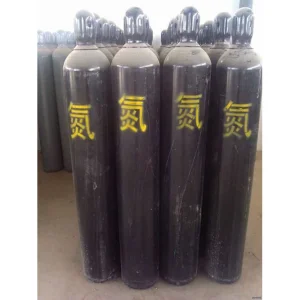
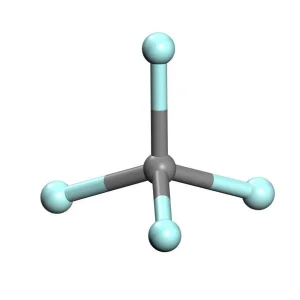
Specialty inorganic precursors, precision gas cylinders, and industrial liquid elastomers manufactured for safety-critical global applications.