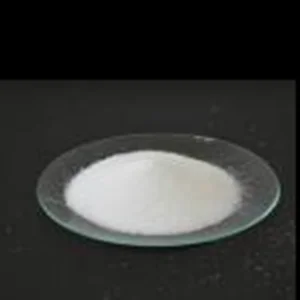
Explore YANXA high-purity inorganic nitrates, synthetic elastomers, and atomized precursors deployed across high-demand processing facilities worldwide.
An authoritative analysis on synthetic ammonium nitrate utility, chemical crystallization pathways, energy dispersion matrices, and global safety governance.
Ammonium Nitrate (CAS No. 6484-52-2) represents one of the most critical synthetic nitrogen compounds manufactured globally. While historically associated with high-nitrogen agricultural fertilization, the modern international commerce of ammonium nitrate is intensely anchored by high-demand heavy industrial sectors.
Today, Technical Grade Ammonium Nitrate (TGAN), Porous Prilled Ammonium Nitrate (PPAN), and high-purity chemical precursors form the cornerstone of commercial mining rock fragmentation, civil infrastructure tunneling, quarrying, specialty gas synthesis, and pyrotechnic oxidizers.
Procurement entities distinguish sharply between Dense Prilled Agricultural AN and Porous Technical AN (PPAN). In industrial blasting and ANFO (Ammonium Nitrate / Fuel Oil) preparations, porosity determines the mechanical retention and stoichiometric fuel oil absorption index (typically ≥6.0% to 11.0% by weight).
Without controlled internal microporosity, detonation velocity drops severely, causing toxic fume production (NOx) and misfires in blast holes. Chinese specialty chemical factories utilize specialized micro-surfactant modifiers to dictate void ratio and bulk density with micrometer precision.
Following historical incidents involving degraded bulk storage, the international transport and port storage of solid ammonium nitrate have undergone unprecedented regulatory harmonization under the United Nations Recommendations on the Transport of Dangerous Goods (UN 1942, UN 0222, UN 2426, UN 3139).
Modern procurement strategies demand verified compliance with strict thermal stability testing, anti-caking coatings that resist exothermic autocatalysis, and continuous batch traceability from synthesis reactor to the destination discharge quay.
How state-of-the-art Chinese synthesis parks optimize upstream Haber-Bosch ammonia loops, dual-pressure nitric acid neutralization, and mega-scale prilling towers.
Chinese chemical complexes integrate gasification-derived anhydrous ammonia synthesis directly with high-pressure Ostwald catalytic oxidation nitric acid plants. By eliminating secondary liquid ammonia transshipment, Chinese manufacturers achieve dramatic thermodynamic efficiency, zero intermediate freight losses, and uninterrupted raw precursor availability even during erratic commodity cycles.
Leading Chinese chemical factories utilize patented, high-velocity pipe reactors operating under elevated pressure and temperature (170°C–185°C). The exothermic reaction between vaporous NH3 and 55%–60% HNO3 evaporates process steam instantaneously, generating 95%–97% concentrated ammonium nitrate melt without external heating utilities, significantly suppressing operational cost per ton.
Free-fall prilling towers towering between 60 to 95 meters in height utilize micro-vibratory rotating nozzles. Acoustic droplet vibration controls the spherical uniformity, resulting in exceptionally narrow particle size distributions (1.0 mm to 3.0 mm > 95%). This precision geometry prevents electrostatic clustering, reduces dust generation during pneumatic conveyance, and guarantees superior blast-hole pouring flowability.
Because crystalline ammonium nitrate undergoes 5 polymorphic phase transitions between -18°C and +125°C, thermal cycling can cause volume expansions that fracture prills into dust. Chinese industrial suppliers formulate internal crystal habitat modifiers (alkyl naphthalene sulfonates, fatty amines, and ultra-fine metal oxide stabilizers) to inhibit phase-IV to phase-III crystallization shifts, ensuring 12+ months of non-caking ocean voyage durability.
An in-depth breakdown of technical ammonium nitrate integration across commercial mining, energetic compounds, electronics manufacturing, medical cold therapy, and metallurgical fluxes.
Porous Prilled Ammonium Nitrate (PPAN) is engineered specifically for mixing with No. 2 fuel oil at a 94:6 stoichiometric weight ratio to formulate ANFO. Its porous matrix ensures that diesel penetrates deeply into each granule, optimizing oxygen balance to zero. In bulk emulsion explosives, concentrated ammonium nitrate aqueous solutions (80%–85% liquor) act as the internal oxidizer phase emulsified within a continuous oil-wax phase, delivering high detonation velocity (VOD > 5,200 m/s) in water-logged mining bench holes.
High-Purity Technical Crystal Ammonium Nitrate serves as the vital chemical precursor for the controlled thermal decomposition into nitrous oxide gas: NH4NO3 (s) → N2O (g) + 2H2O (g). In medical anesthesia and semiconductor thin-film chemical vapor deposition (CVD for silicon oxynitride dielectric layers), raw ammonium nitrate must exhibit ultra-low transition metal impurities (Fe < 2 ppm, Cl < 3 ppm) to prevent catalyst poisoning and noxious toxic nitrogen dioxide (NO2) formation in downstream gas scrubbers.
The dissolution of ammonium nitrate in water is intensely endothermic, exhibiting an enthalpy of solution of +25.69 kJ/mol. When the solid salt mixes with water inside flexible dual-chamber pouches, the solution temperature drops rapidly from ambient (22°C) down to -2°C to 2°C within seconds. This rapid physical phase property makes technical ammonium nitrate an irreplaceable compound in instant emergency orthopedic trauma cold packs, sports injury packs, and refrigerated cold-chain transit packs.
While direct solid ammonium nitrate application is strictly governed in many nations due to security regulations, Chinese chemical synthesis factories are global leaders in converting ammonium nitrate liquor into Calcium Ammonium Nitrate (CAN), CAN+Boron, and specialized water-soluble fertigation grades. By reacting AN melt with micronized calcium magnesium carbonate (dolomite/calcite), factories produce stabilized, non-combustible fertilizer prills that supply immediate nitrate nitrogen (NO3-) and sustained ammoniacal nitrogen (NH4+).
Ammonium nitrate exhibits a unique chemical property among industrial oxidizers: its complete decomposition products are entirely gaseous (N2, O2, H2O vapor) with zero residual solid combustion ash or heavy metal particulates. This clean gas-generating footprint makes specially formulated, phase-stabilized ammonium nitrate (PSAN) an environmentally compliant oxidant in smoke compositions, specialty emergency safety flares, automotive airbag inflators, and propellant gas generators.
In stainless steel wire pickling, rare earth hydrometallurgical extraction, and specialty alloy surface finishing, ammonium nitrate provides an aggressive, regulated oxidative ionic potential in acidic leach circuits. Its ability to regenerate dissolved ferric and cupric complexes while maintaining stable bath pH makes it a preferred additive in precision aluminum etching formulations and refractory smelting fluxes.
Verified laboratory testing parameters and chemical threshold guarantees typical of tier-one Chinese industrial export production runs.
| Analytical Parameter | Porous Prilled AN (PPAN - Blasting Grade) | Dense Technical AN (Crystal / Synthesis Grade) | Calcium Ammonium Nitrate (CAN Stabilized) | Test Methodology |
|---|---|---|---|---|
| Assay Content (Purity) | ≥ 99.2% NH4NO3 | ≥ 99.6% – 99.9% NH4NO3 | ≥ 75% – 78% AN (Balance Dolomite) | Acid-Base Titration / Volumetric |
| Total Nitrogen (N) Content | ≥ 34.6% | ≥ 34.8% | ≥ 27.0% – 28.0% | Kjeldahl Digestion Method |
| Bulk Density (Free Flowing) | 0.70 – 0.82 g/cm³ (Porosity Controlled) | 0.92 – 1.05 g/cm³ (Dense Solid) | 0.98 – 1.10 g/cm³ | ISO 3944 / Gravimetric Cylindrical |
| Fuel Oil Absorption Capacity | ≥ 6.5% – 11.0% by weight | ≤ 2.5% (Non-absorptive) | Not Applicable (Inert Matrix) | Standard Diesel Gravimetric Wash Test |
| Moisture (Residual H2O) | ≤ 0.15% – 0.20% | ≤ 0.10% | ≤ 0.50% – 0.80% | Karl Fischer Coulometric Titration |
| Chloride Impurity (Cl-) | ≤ 0.003% (30 ppm) | ≤ 0.001% (10 ppm) | ≤ 0.02% (200 ppm) | Ion Chromatography (IC) |
| Particle Size Distribution | 1.00 – 2.80 mm (≥ 94%) | 0.50 – 2.00 mm (Crystalline) | 2.00 – 4.75 mm (≥ 95%) | Standard Tyler Sieve Shaker |
| Granule Crushing Strength | ≥ 8.0 – 12.0 N/granule | Not Applicable (Powder/Micro-Crystal) | ≥ 25.0 – 35.0 N/granule | Automatic Tablet/Prill Hardness Tester |
Overcoming the technical and bureaucratic hurdles in global ammonium nitrate import: UN packaging certs, IMDG vessel booking, temperature monitoring, and custom clearance dossiers.
Every consignment exported from Chinese chemical docks is packed in strict conformity with UN Model Regulations (UN 1942, Packing Group III). Standard packaging options feature heavy-duty multi-layer PP/PE woven bags with inner heat-sealed polyethylene liners (50 microns to 80 microns thick) to completely isolate atmospheric ambient moisture.
For large-scale mining contractors in Western Australia, South America, and Africa, heavy-duty 1,000kg to 1,200kg Type-C or Type-D conductive/anti-static FIBC bulk bags are specified with quadruple-point lifting loops, discharge spouts, and UV-degradation inhibitors.
Ammonium Nitrate Class 5.1 oxidizers require specialized stowage under the International Maritime Dangerous Goods (IMDG) Code. Cargo must be kept "Away From Sources of Heat" and segregated from flammable liquids, organic chemicals, sulfur, and metallic powders.
Chinese factories coordinate with certified breakbulk shipping lines and container carriers operating dedicated dangerous goods vessels. Every shipment is backed by the dangerous goods declaration, Container Packing Certificate (CPC), and port safety inspection endorsements from the Maritime Safety Administration (MSA).
Tier-one Chinese suppliers implement an immutable batch identification numbering protocol stamped onto every individual bag and pallet wrap. Prior to container sealing at the production gate, composite samples are retained for 24 months.
Third-party testing agencies (SGS, Bureau Veritas, Intertek) are routinely commissioned by international buyers to conduct pre-shipment inspections covering grain size screening, moisture loss on drying, diesel absorption ratio, and burning rate tests according to UN manual test O.1 standards.
How the global ammonium nitrate manufacturing industry is pivoting toward low-carbon synthesis, bio-based anti-caking coatings, and digital crystal modification.
As international supply chains respond to the European Union Carbon Border Adjustment Mechanism (CBAM) and corporate ESG mandates, major Chinese synthesis complexes in Inner Mongolia and Xinjiang are coupling multi-gigawatt photovoltaic and wind electrolysis arrays directly to nitrogen generation units. Producing green ammonium nitrate from zero-carbon electrolytic hydrogen reduces Scope 1 and Scope 2 embodied carbon footprints by up to 88%.
Next-generation porous prills move beyond random interior crevices. Advanced acoustic prilling sprayers coupled with vacuum-assisted flash drying allow Chinese technicians to engineer uniform capillary micropores throughout the granule core. This architecture prevents oil migration to the bottom of deep blast holes under hydrostatic pressure, guaranteeing steady detonation velocity across varying weather conditions.
Traditional anti-caking coatings relied heavily on petroleum aromatic fractions and naphthalene compounds that left soil residues in mining overburden and agricultural watersheds. Emerging Chinese formulations integrate biodegradable fatty alkyl amines and modified starch/lignin surfactants that provide equal hydrophobic moisture protection while breaking down naturally without ecological persistence.
For sensitive Class 5.1 maritime export passages through tropical equatorial lanes, leading Chinese export operators integrate internal digital container data loggers. Procurement teams monitor real-time interior container temperatures, relative humidity levels, and GPS container vessel positions via cloud telemetry, ensuring cargo never exceeds critical thermal degradation thresholds prior to arrival.
Actionable, regulatory-grounded answers for mining chemical directors, import compliance managers, and synthesis procurement executives.
Complete your supply chain procurement with specialized liquid rubber binders, atomized metal flake powders, and ultra-high purity industrial carrier gases.