Integrated sourcing directly from certified chemical synthesizing and gas extraction facilities.
Addressing soil sulfur depletion, explosive precursor security, and technical industrial nitration processes.
Global industrial decarbonization drastically lowered atmospheric sulfur deposition. ASN combines fast-acting nitrate (NO3-) and gradual ammoniacal (NH4+) nitrogen with water-soluble sulfate sulfur (SO4 2-), balancing carbon-nitrogen metabolic ratios in cash crops.
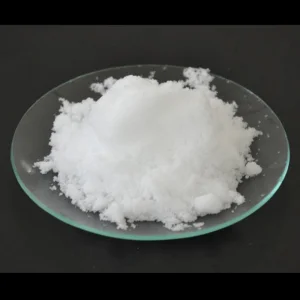
Direct pure ammonium nitrate (AN) logistics face severe port bans and UN Class 5.1 restrictions worldwide. China ASN facilities produce true chemical double salts (2(NH4)2SO4·NH4NO3), inerting detonation sensitivity while delivering 26% nitrogen content.
Beyond agricultural blends, high-grade technical ASN acts as an oxidizing additive, flame retardant precursor, microbial fermentation catalyst, and synthetic auxiliary in metallurgical separation and organic nitration processes.
Distinguishing true double salts from mechanical dry blends to guarantee stability and prevent phase segregation.
| Analytical Parameter | Agricultural Grade ASN | Industrial Synthesis Grade | Verification Test Method |
|---|---|---|---|
| Total Nitrogen (TN) | ≥ 26.0% | ≥ 26.5% | Kjeldahl Distillation (ISO 5315) |
| Nitrate Nitrogen (NO3-N) | ≥ 6.5% - 7.5% | ≥ 7.5% - 8.0% | Devarda's Alloy Titration |
| Ammoniacal Nitrogen (NH4-N) | ≥ 18.5% - 19.5% | ≥ 18.5% | Formaldehyde Titration Method |
| Sulphur (as SO4 2-) | ≥ 12.0% - 13.0% | ≥ 13.5% | Barium Sulphate Gravimetric (ISO 10044) |
| Moisture (Karl Fischer) | ≤ 0.8% | ≤ 0.3% | Vacuum Oven Desiccation / Karl Fischer |
| Granulometry (2.00 - 4.75 mm) | ≥ 92% | Custom Particle Size / Prilled | Rotap Sieve Analysis |
| Free Acidity (as H2SO4) | ≤ 0.05% | ≤ 0.02% | Potentiometric Titration |
State-of-the-art Chinese chemical synthesis ensures thermodynamic phase equilibrium and uniform nutrient release.
Anhydrous ammonia (NH3) reacts concurrently with concentrated nitric acid (HNO3) and sulfuric acid (H2SO4) inside a high-temperature tubular loop reactor under precise stoichiometry.
Melt slurries undergo rapid cooling to force stoichiometric co-crystallization into double salts [(NH4)2SO4·2NH4NO3], eliminating hygroscopic unbound ammonium nitrate crystal planes.
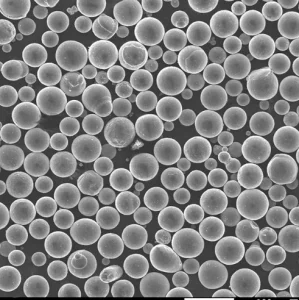
Centrifugal atomization in natural draft prilling towers produces highly spherical, low-porosity granules. Smooth surfaces offer superior moisture resistance compared to standard drum granulation.
Granule exteriors are treated with biodegradable polyolefin conditioning oil and micronized mineral powder, ensuring zero caking across long maritime routes through humid tropical zones.
Navigating global border inspections, port transit clearance, and chemical handling certifications.
Every shipment is audited by China Inspection & Quarantine (CIQ) and delivered with comprehensive GHS SDS, REACH registration dossiers for EU buyers, and Non-Dangerous Goods declarations where formulated to meet UN manual detonation testing exemptions.
Options range from 25 kg/50 kg PP woven bags with high-density PE internal thermal-sealed liners to 1,000 kg – 1,250 kg UV-stabilized Big Bags (FIBC) with discharge spouts, tested to 5:1 or 6:1 safety factors for safe intermodal transfer.
Direct inland transport routes link inland synthesis plants to major logistics terminals at Tianjin, Qingdao, and Shanghai ports, minimizing atmospheric exposure times and optimizing bulk-vessel charter scheduling.
Targeted technical guidance addressing supply capabilities, safety profiles, and bulk order execution.
Complete export portfolio supported by rigorous analytical batch certification.