Audited material grades for pyrotechnic engineering, additive manufacturing, rocket propulsion, and advanced electronics. Select a grade to view complete batch data and direct manufacturer quotes.
Magnesium powder is an essential technological enabler across multiple industries. Choosing the right morphology, specific surface area, and chemical stabilization directly impacts production yields and plant safety.
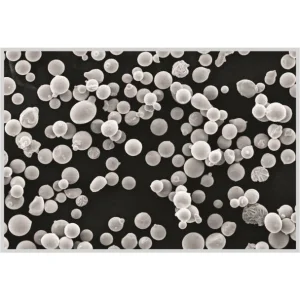
Ultra-pure atomized spherical magnesium and Al-Mg alloy powders provide elevated heat-of-combustion profiles (~25 MJ/kg) indispensable for solid rocket propellants, pyrotechnic delay systems, countermeasure flares, and specialty explosive synthesis.
Enthalpy OptimizationSpherical Mg-alloy micro-powders processed via vacuum inert gas atomization (VIGA) exhibit optimal flowability (Hall Flow < 30 s/50g) and controlled apparent density, facilitating precise, defect-free layer deposition in LPBF and SLM 3D metal printers.
LPBF & Direct Energy DepositionCoated, passivated irregular magnesium granules serve as dominant chemical refining agents in basic oxygen furnace (BOF) and electric arc furnace (EAF) steelmaking plants, driving ultra-low sulfur levels ([S] < 0.001%) at reduced slag volumes.
Metallurgical PassivationTransitioning from mechanical milling to closed-loop atomization and nanometer surface passivation: Exploring the evolutionary path of high-purity energetic metal powders.
Traditional milling generates high dislocation densities, micro-strains, and erratic surface oxidation. Modern VIGA and ultrasonic atomization lines utilize high-purity argon or nitrogen jets to disperse superheated molten magnesium into ultra-spherical droplets with controlled satellite formation and narrow particle size distributions.
Pure magnesium microparticles are prone to spontaneous oxidation and reaction with atmospheric moisture, yielding hydrogen gas (H₂). Advanced chemical passivation uses sub-micron stearic coatings, fluoroelastomer binders, or synthetic polysiloxane vapor-phase grafting, extending storage shelf-life to 36 months under controlled conditions.
Sub-micron Magnesium Hydride (MgH₂) systems derived through reactive mechanical milling of pure magnesium powder represent an emerging vector in zero-carbon energy. Reversible gravimetric storage capacities reaching 7.6 wt% position magnesium powder as an essential material for safe, solid-state green hydrogen transit.
| Industrial Grade Designation | Predominant Morphology | Particle Size Distribution (D50) | Active Mg Purity (%) | Key Applications & Compliance |
|---|---|---|---|---|
| Aerospace Spherical Grade (AS-Mg) | Gas-Atomized Perfect Sphere | 20 – 45 μm (Narrow Spectrum) | ≥ 99.8% | Rocket Motor Propellants, Flares, MIL-STD-1407 |
| Additive LPBF Grade (AM-Mg) | Low-Satellite Spheroid | 15 – 53 μm / 45 – 105 μm | ≥ 99.5% | Direct Laser Sintering, Bioresorbable Implants |
| Refractory Pyrotechnic Granule | Irregular Angular / Chipped | 75 – 250 μm (60–200 Mesh) | ≥ 98.5% | Mining Detonators, Distress Signals, Thermite |
| Passivated Desulfurization Grade | Encapsulated Granular Flake | 300 – 1000 μm (18–50 Mesh) | ≥ 90.0% (Coated) | Blast Furnace Desulfurization, Slag Control |
China produces over 80% of global primary magnesium via vertical integration with the Pidgeon calcination process. Industrial manufacturing centers like YANXA convert this raw material advantage into reliable engineered powders.
Proximity to key domestic dolomite mining and ferrosilicon smelters ensures direct access to raw magnesium ingots, insulating export contracts from international geopolitical trade swings and supply bottlenecks.
Our plants implement continuous online PLC-controlled inert-gas recirculation, real-time laser diffraction PSD analytics (Malvern Mastersizer), and sub-oxygen monitors maintaining O₂ levels below 100 ppm during atomization.
By coupling clean local hydropower and high-efficiency smelting furnaces, manufacturing energy footprints are minimized, translating directly into competitive pricing structures for long-term multi-ton procurement contracts.
Under strict ISO 9001 governance, each bulk drum corresponds to a traceable batch heat ticket, ensuring accurate elemental assay balances (Fe, Si, Ni, Cu limits) verified by Inductively Coupled Plasma (ICP-OES) analysis.
Navigating flammable solids and dangerous materials (UN Class 4.3/4.1) demands a disciplined procurement lifecycle to mitigate regulatory non-compliance risks.
Magnesium powder is classified under international transport codes as hazardous cargo. Proper certification prevents shipping delays, cargo abandonment, and border rejections.
Depending on particle size and surface treatment, pure and alloyed magnesium powders are governed under UN 1418 (Magnesium Powder, Class 4.3, Dangerous When Wet) or UN 1869 (Magnesium Alloys, Class 4.1, Flammable Solid). We ensure full compliance with IMO, IMDG, and ICAO cargo standards.
Every shipment is supported by an updated GHS 16-section Safety Data Sheet (SDS) covering flammability, extinguishing media (Class D Dry Powder only; water strictly prohibited), REACH registration documentation for EU imports, and verified Certificates of Origin (CO) under applicable bilateral trade frameworks.
Our sales engineering division operates dedicated technical support teams for the Americas, EMEA, and APAC regions. We assist in configuring inert atmosphere storage protocols, handling transfer equipment requirements, and resolving port customs chemical clearance queries.
Access secondary lots of chemical intermediates, flake metal alloys, high-purity rare gases, and functional liquid polymers ready for international export.
Clear technical and procedural answers to address critical procurement, regulatory, and engineering questions before ordering.
Contact our chemical and materials engineering team today to review target specs, request pre-shipment validation samples, and receive real-time CIF/FOB export pricing for high-purity magnesium and alloy powders.