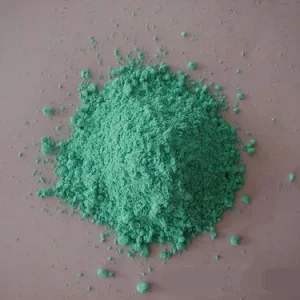
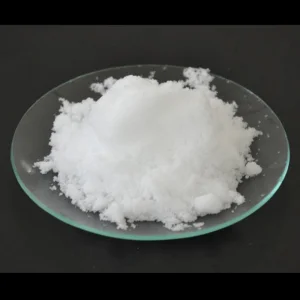
Immediate procurement dispatch available across specialized reactive powders, cryogenic high-purity process gases, and functional synthetic polymers.
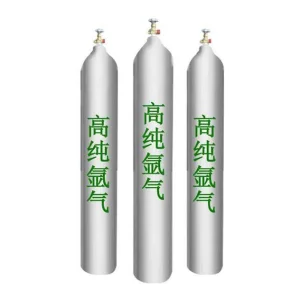




Exploring phase equilibria, thermodynamic kinetics, and multi-functional performance vectors in contemporary metallurgical alloys and polymer stabilization chemistry.
Calcium-Magnesium-Zinc (Ca-Mg-Zn) systems represent a breakthrough intersection of alkaline-earth and transition metal thermodynamics. In metallurgical regimes, targeted Ca addition refines grain morphology by retarding intergranular dendritic segregation during solidification. Magnesium contributes high specific strength and anodic potential, while zinc balances electrochemical reactivity and enhances ductility. When combined as a customized pre-alloyed or mechanically engineered ternary composite, the material yields unprecedented thermodynamic equilibrium under elevated strain and thermal stress.
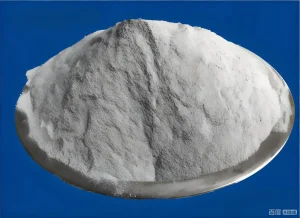
In polymer macromolecular synthesis, calcium-magnesium-zinc organic salts (such as customized stearates, carboxylates, and hydrotalcite complexes) operate as the global non-toxic successor to organotin and lead-based heat stabilizers. The synergistic mechanism captures labile chlorine atoms along polyvinyl chloride (PVC) chains: zinc compounds swiftly quench allylic chlorides, while calcium and magnesium carboxylates regenerate active zinc complexes and neutralize corrosive hydrochloric acid (HCl) by-products, halting autocatalytic dehydrochlorination and chain scission.
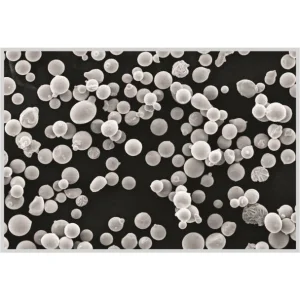
Within clinical bioengineering and orthopedic implant manufacturing, our ultra-high purity atomized Ca-Mg-Zn alloy powders establish an optimal degradation rate that mirrors genuine bone tissue reconstruction. The micro-alloyed calcium and zinc suppress the rapid hydrogen gas evolution characteristic of pure magnesium resorption, preventing localized cytotoxicity while eliciting osteogenic and angiogenic cellular signaling cascades.
Leading the transition from conventional mechanical milling to vacuum inert gas atomization (VIGA), plasma spheroidization, and nano-encapsulated organic compound architectures.
Implementation of De Laval supersonic convergent-divergent nozzles with high-purity argon (Ar) shielding to atomize Ca-Mg-Zn melts into strictly spherical morphology with satellite-free geometries and D50 values adjustable down to 15 μm.
Integration of nanometer-scale organic ligand monolayer passivation during cyclone gas separation, mitigating spontaneous pyrophoricity, minimizing moisture affinity, and dramatically extending global container storage shelf-life.
Machine learning modeling of CALPHAD (Computer Coupling of Phase Diagrams and Thermochemistry) datasets, pinpointing atomic compositions that optimize eutectic melting points, mechanical tensile modulus, and thermal degradation prevention.
100% zero-landfill hydrometallurgical closed-loop recycling loops that recover high-grade secondary zinc, magnesium slag, and calcium fractions, reducing Scope 3 upstream embedded carbon emissions by 42.6% per metric ton.
| Grade Designation | Composition Ratio (Ca : Mg : Zn) | Mean D50 Particle Size | Bulk Density (g/cm³) | Target Primary Application | Regulatory Status |
|---|---|---|---|---|---|
| CMZ-Alloy 7020-AM | 1.0% Ca : Bal. Mg : 4.5% Zn | 15 – 45 μm (Spherical) | 1.10 – 1.25 | Additive Manufacturing / SLM Orthopedics | ASTM F3302 |
| CMZ-Stabilizer ECO-P | 35% Ca-St : 15% Mg-St : 50% Zn-St | 5.0 – 12.0 μm (Lamellar) | 0.38 – 0.45 | Non-Toxic Food Grade PVC Extrusion & Calendering | FDA 21 CFR / REACH |
| CMZ-Hydrotalcite Nano-X | Synthesized Layered Double Hydroxide | 0.8 – 2.5 μm (Layered Platelet) | 0.28 – 0.35 | Halogen-Free Cable Compounds & High-Temp Wires | RoHS / UL94 V-0 |
| CMZ-NutraPure Multi-Salt | USP Multi-Mineral Chelate Complex | 45 – 100 μm (Micro-granulated) | 0.65 – 0.80 | Nutraceutical & Dietary Mineral Bioavailability | USP / EP / FCC |
Delivering tailored metallurgical kinetics, thermodynamic stability, and environmental compliance across premier global industries.
In electric vehicle battery housings and aerospace structural components, magnesium-zinc-calcium ternary alloys unlock superior specific strength-to-weight ratios over standard 6000-series aluminum. Calcium grain boundary pinning inhibits intercrystalline creep under thermal cycling up to 180°C, while zinc solid-solution hardening provides robust impact energy absorption during dynamic crash load conditions.
Global environmental bans on heavy-metal stabilizations have mandated modern extrusion converters to integrate high-efficiency Ca-Mg-Zn complex stabilizer powders. Our surface-treated blends provide pristine initial whiteness, zero zinc burning (die-drool elimination), extended processing windows in high-output twin-screw extruders, and exceptional weathering resistance in window profiles, potable water pipes, and automotive interior dashboards.
Alloyed calcium-magnesium-zinc spherical powders demonstrate tailored reactivity parameters for advanced energetic formulations, marine anti-corrosion thermal spray coatings, and pyrotechnic delay systems. Controlled combustion temperatures and precise particle size classifications prevent unreacted slag accumulation while delivering intense luminous efficacy and cathodic sacrificial corrosion prevention on offshore installations.
Leveraging complete vertical integration from primary mineral extraction and refining through automated ultrasonic atomization and automated vacuum packaging.
Direct equity alliances across domestic dolomite (calcium-magnesium carbonate) and high-grade zinc smelters shield our global customers from macroeconomic price shocks and supply vulnerabilities. Raw feedstocks enter our smart processing corridors with documented mineralogical origin, maintaining continuous production regardless of overseas shipping container bottlenecks.
Real-time optical pyrometry and closed-loop Mass Flow Controllers (MFC) govern our vacuum induction melting (VIM) crucibles and atomization chambers. Every production heat is tracked across 48 discrete critical control points—such as melt superheat temperature, gas-to-metal flow ratios, and chamber oxygen dew points (<-70°C)—ensuring absolute batch-to-batch homogeneity.
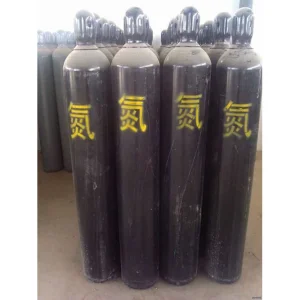
Automated, robotic classifying and air-jet sieving stations function inside pressurized Class 100,000 cleanroom environments. Materials are packaged under high-purity nitrogen or argon back-flush into UN-certified anti-static aluminum foil bags, steel drums, or moisture-barrier IBCs, eliminating risk of atmospheric oxidation, moisture absorption, or foreign particulate ingress during multi-week ocean transit.
Streamlining vendor qualification through exhaustive analytical audits, rigorous regulatory compliance, and multi-modal dangerous goods logistics.
Every commercial lot ships with comprehensive Certificate of Analysis (COA) containing Inductively Coupled Plasma Optical Emission Spectrometry (ICP-OES) impurity analysis down to fractional parts-per-million (ppm) for trace Pb, Cd, Hg, and As.
Full compliance under EU REACH regulation (EC No 1907/2006) with active Only Representative (OR) representation, guaranteeing continuous customs entry into European ports, alongside full RoHS 3 and FDA food-contact compliances.
Complete classification under UN Model Regulations for Class 4.3 (Dangerous When Wet) or Class 4.1 (Flammable Solids), supported by genuine IMO/IMDG maritime packing certificates, IATA air cargo compliance, and certified UN-stamped steel drums.
Transparent pricing frameworks across FOB Tianjin / Qingdao / Shanghai, CIF major destination ports, and DDP direct warehouse delivery with all customs duties, terminal fees, and inland drayage managed by our logistics specialists.
Actionable answers to core technical inquiries, sampling procedures, and quality verification protocols.
Standard inventory grades (such as standard PVC stabilizer blends or common Mg-Zn additive powders) ship within 5 to 7 business days. Custom stoichiometry—such as tailored gas-atomized Al-Mg-Ca-Zn spherical alloys or proprietary organic stearate mixtures—requires 2 to 3 weeks for trial vacuum smelting, atomization, particle classification, and full laboratory ICP-OES validation.
Reactive powders are packed inside inert-atmosphere cleanrooms into high-barrier multilayer aluminum-foil vacuum pouches with included desiccant sachets, back-filled with high-purity argon gas (purity ≥ 99.999%), and sealed within hermetic UN-approved steel drums with gasketed lever-lock rings. This prevents moisture intrusion and maintains interstitial oxygen levels below baseline specification during transit.
Yes. While every release includes an audited factory COA from our ISO 17025 accredited laboratory, we routinely collaborate with SGS, Intertek, and TÜV Rheinland at port of loading to perform independent lot sampling, assay confirmation, particle size laser diffraction (Malvern Mastersizer), and dangerous goods container stuffing inspections upon buyer request.
Utilizing specialized air-classifier milling and supersonic cyclonic sizing, we deliver D50 fractions spanning from sub-micron 0.8 μm powders for masterbatch compounding up to 15–45 μm / 45–105 μm distributions engineered for selective laser melting (SLM), direct energy deposition (DED), and conventional powder metallurgy press-and-sinter applications.
Explore our full line of functional polymers, technical inorganic nitrates, high-purity process gases, and specialized metal alloy powders.